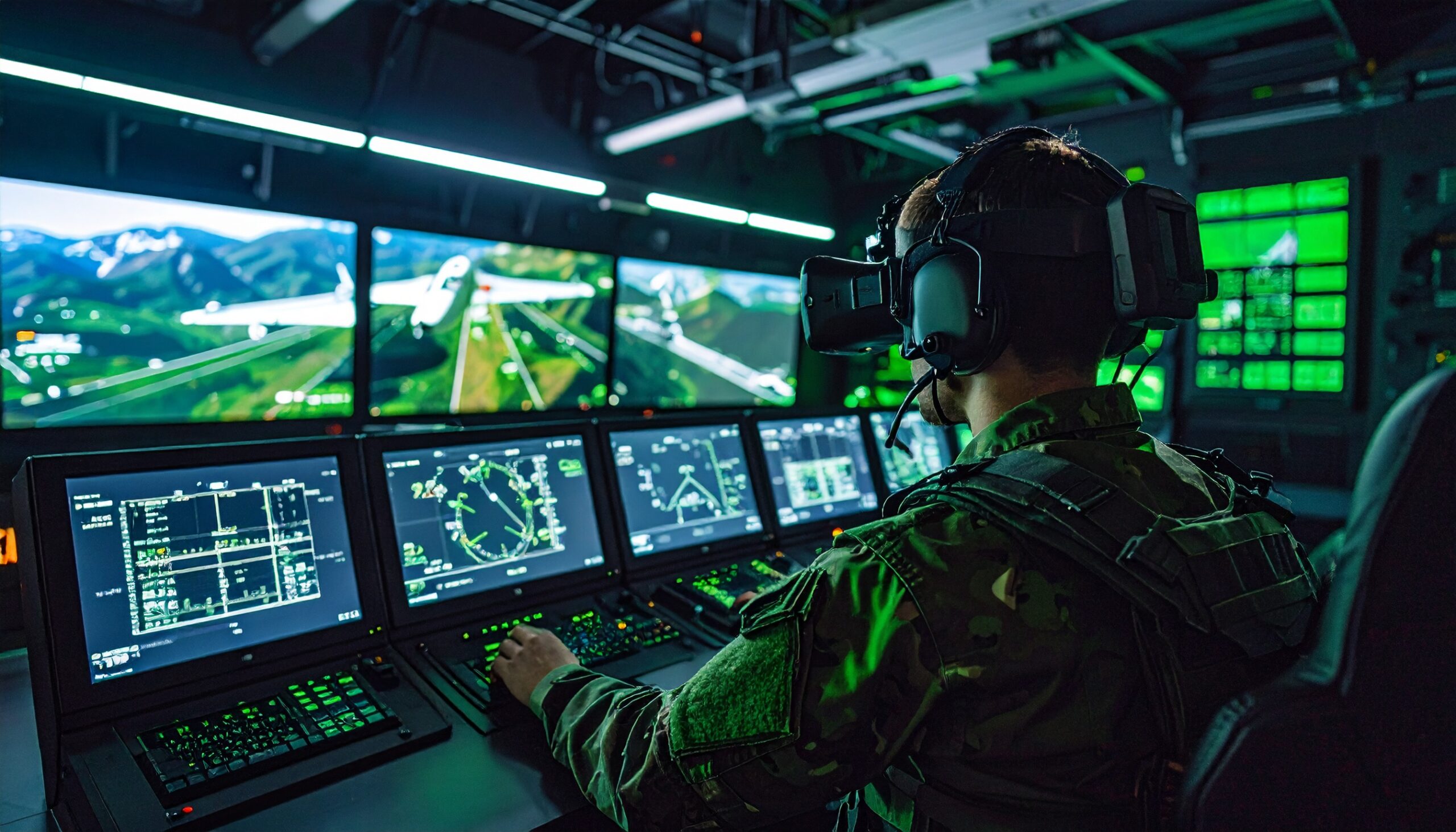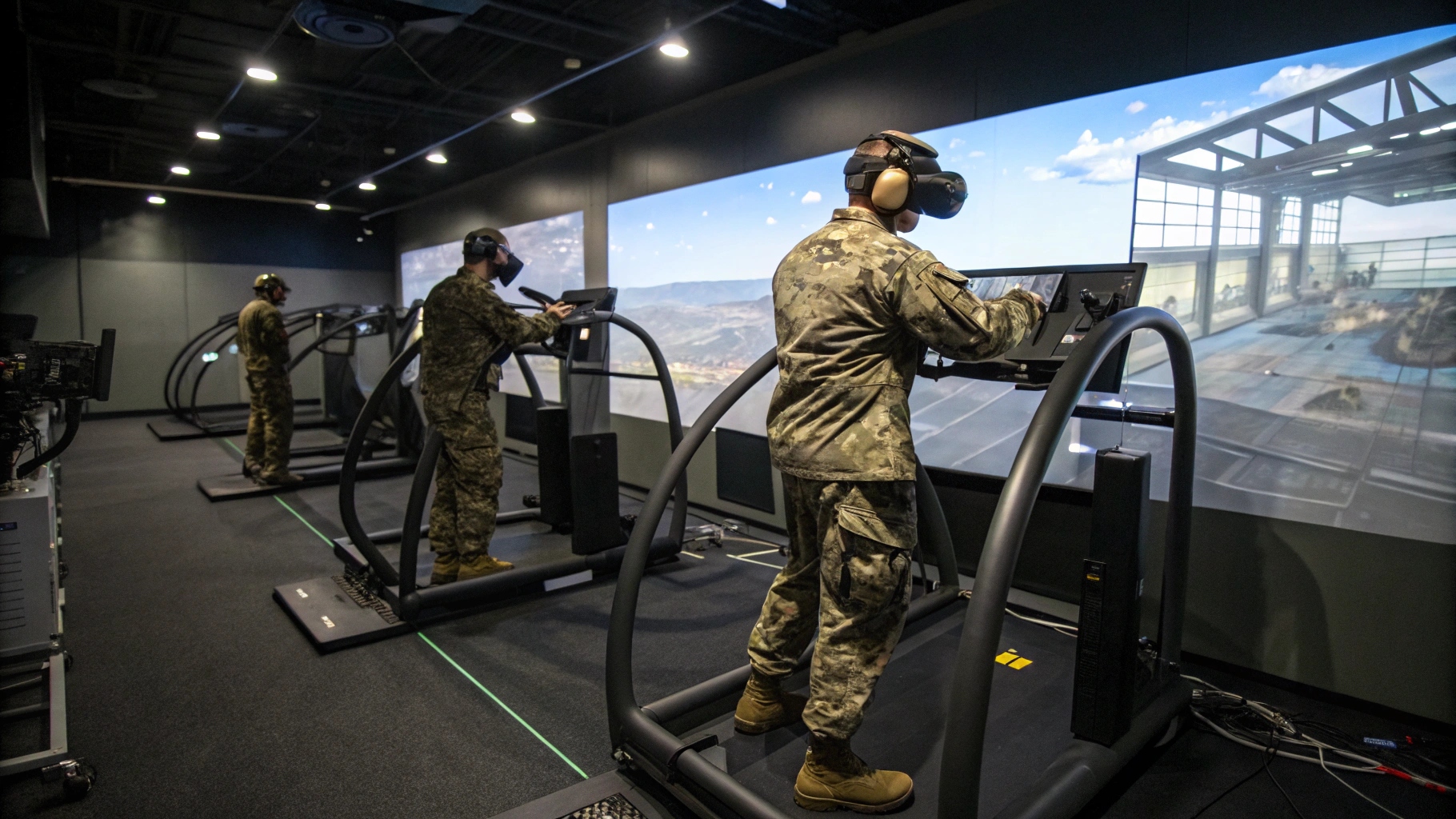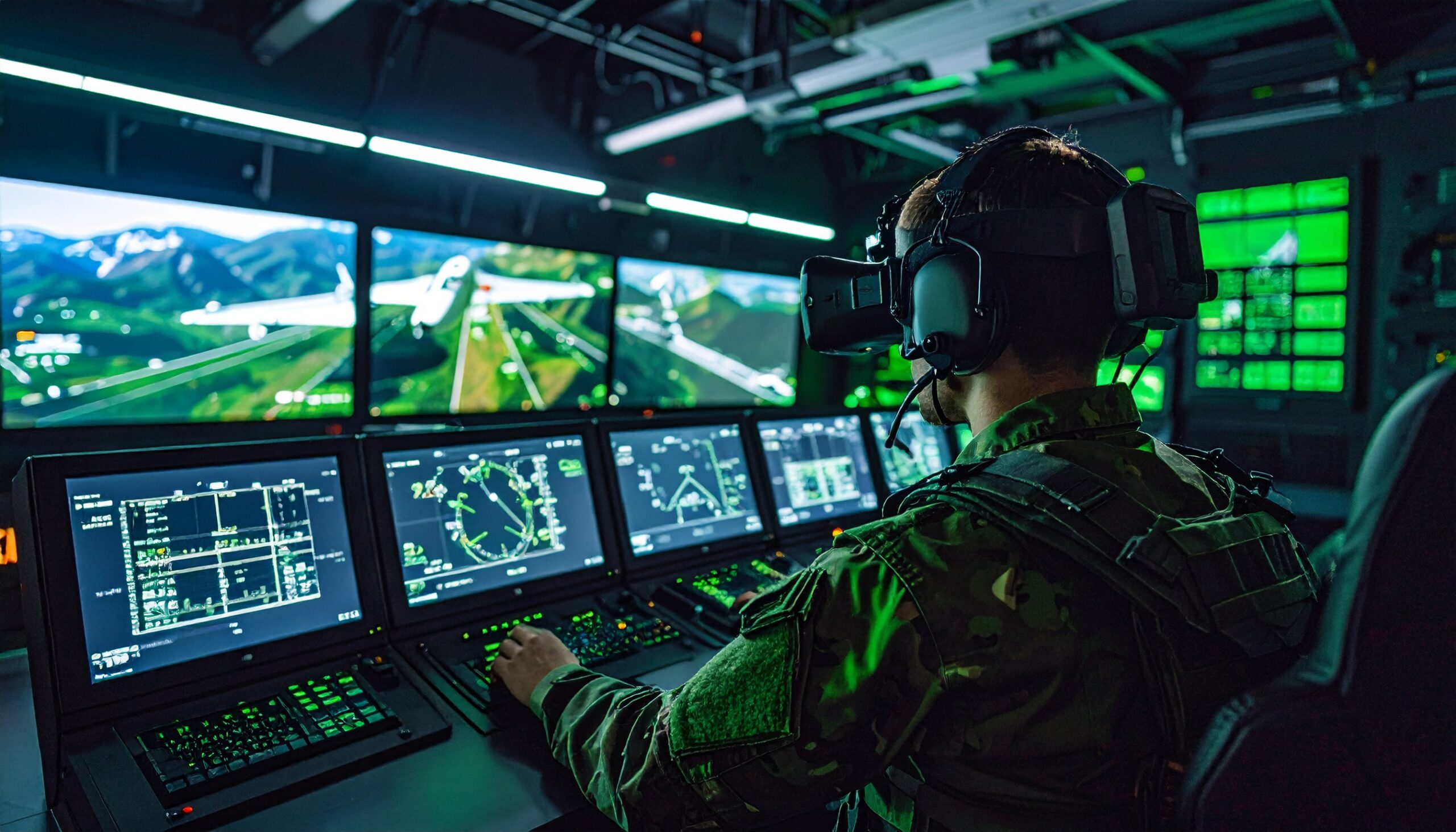
The Australian government has committed more than AUD 300 million ($199.8 million) to establish a Future Air Mission Training System (F-AMTS), significantly expanding and modernizing how the Royal Australian Air Force (RAAF) trains mission aircrews. The long-term investment is aimed at meeting growing operational demands and supporting increasingly complex air combat and intelligence missions.
Delivered in partnership with CAE Australia, the F-AMTS program is expected to increase aircrew training capacity by up to 70 percent through the introduction of advanced simulation technologies, modernized training syllabi, and integrated learning environments. The system will blend classroom instruction, high-fidelity simulators, synthetic training ecosystems, and live airborne training to replicate real-world operational scenarios.
The new training capability will support both initial and specialist instruction for crews operating platforms such as the MC-55A Peregrine intelligence aircraft and the MQ-4C Triton high-altitude unmanned aerial system. According to CAE, the system will be used by a wide range of mission roles, including Airborne Electronics Analysts, Air Battle Managers, Air Mobility Officers, Weapon Systems Officers, and Electronic Warfare Officers.
Under the 10-year agreement, a new training facility will be delivered at RAAF Base East Sale in Victoria, expanding the existing Air Mission Training School, with capability introduction beginning in 2026. The project is expected to generate up to 140 jobs during acquisition and support around 50 long-term sustainment positions, with multiple Australian industry partners contributing to system delivery and integration.