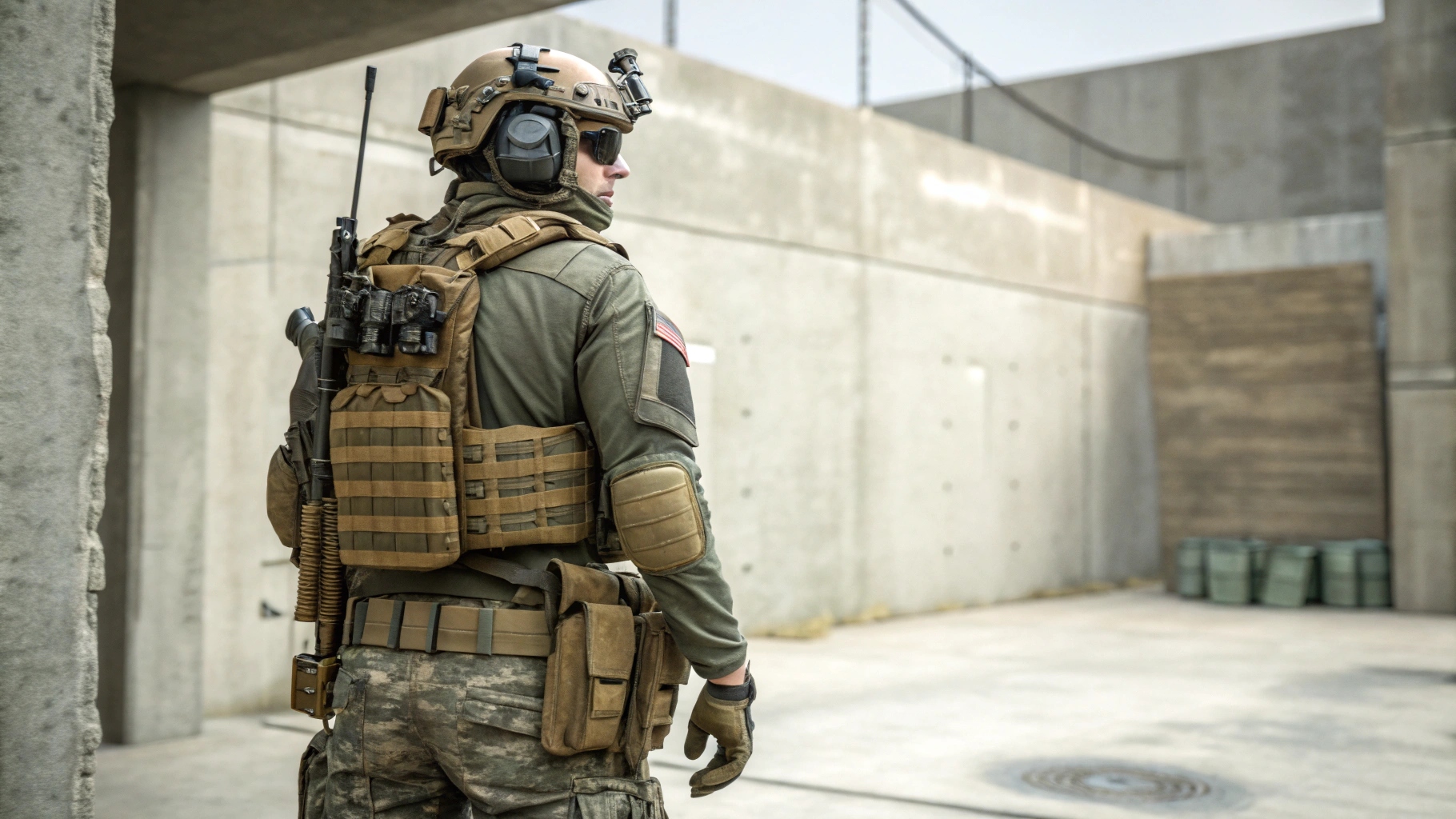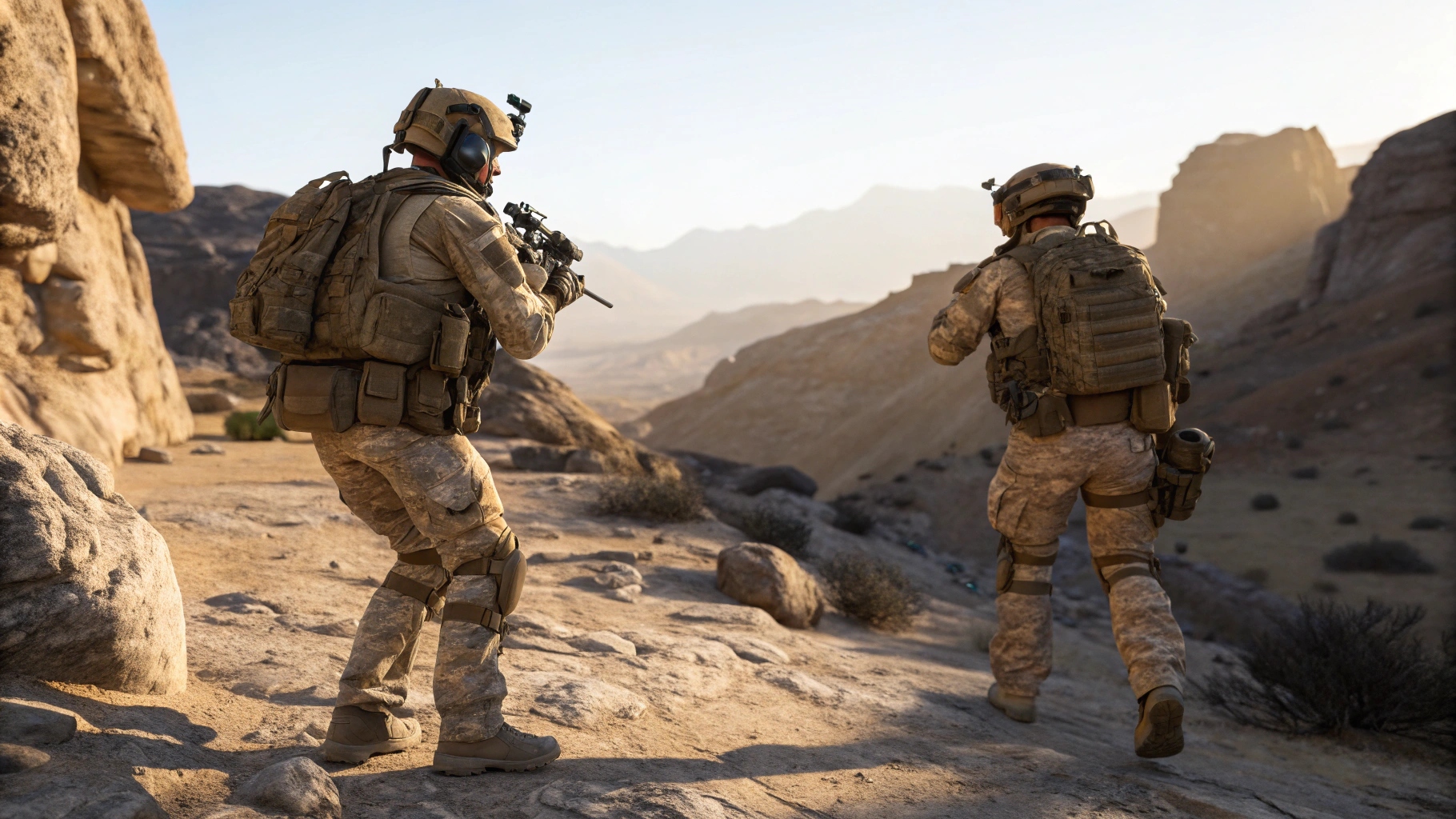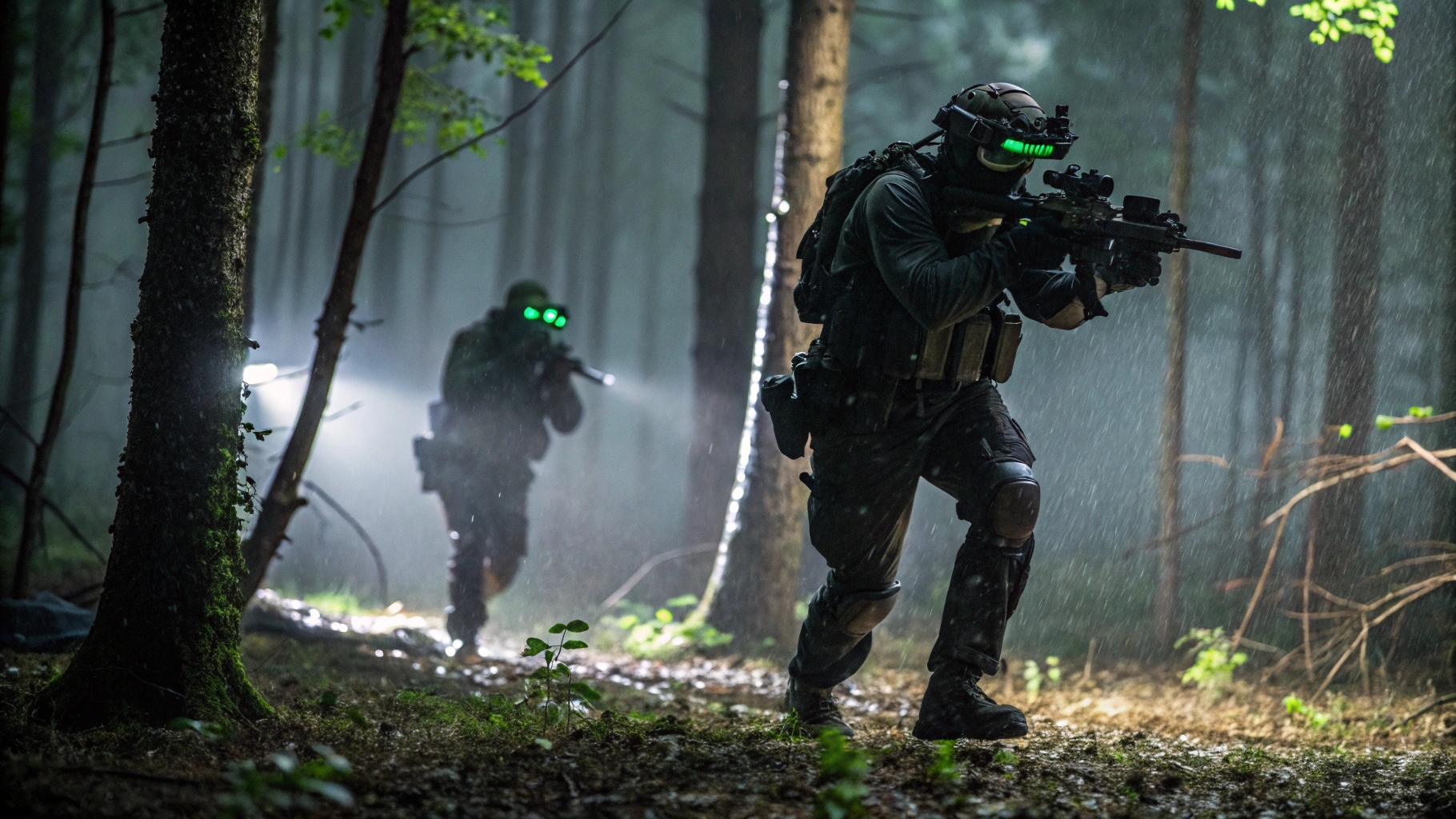
Performance outerwear manufacturer Gore is developing a next-generation active insulation jacket for the US Army’s Soldier Enhanced Program, designed to replace the current two-layer cold-weather system. The company plans to deliver the improved single-layer jacket early next year, offering troops greater comfort, reduced bulk, and enhanced protection in extreme environments.
The new insulation jacket is engineered to replace both the Level III high-loft fleece and Level IV wind jacket, providing the same performance in a lighter, compact single layer. Weighing just under 17 ounces (482 grams), it occupies 40 percent less pack volume than the current system. The jacket features a fleece interior integrated with Gore’s Windstopper membrane, eliminating the need for traditional chemical-based water-repellent coatings. Designed for temperatures between –40°F and 30°F (–40°C to –1°C), it offers protection from cold and wind while minimizing exposure to PFAS-based compounds.
Field trials are currently underway with specialized Army units, including the Army Mountain Warfare School in Vermont and the 11th Airborne/Arctic Regions Test Center in Alaska. These evaluations will determine the jacket’s durability, comfort, and insulation efficiency across varied terrains and climates.
The Army’s testing of Gore’s design reflects a broader modernization effort to streamline the Extended Cold Weather Clothing System (ECWCS), which has become bulky over time. Beyond outerwear, the Department of Defense is also advancing next-generation clothing systems and armor solutions. The US Marine Corps is testing heat-regulating undershirts, while the Air Force explores flame-resistant uniforms with embedded sensors. Meanwhile, the Army continues to upgrade its Soldier Plate Carrier System and Modular Body Armor Vest, balancing weight reduction with ballistic protection. Future programs such as Soldier 2025 and research at Natick Soldier RDEC are focusing on smart fabrics, adaptive camouflage, and integrated power systems for the next era of soldier technology.