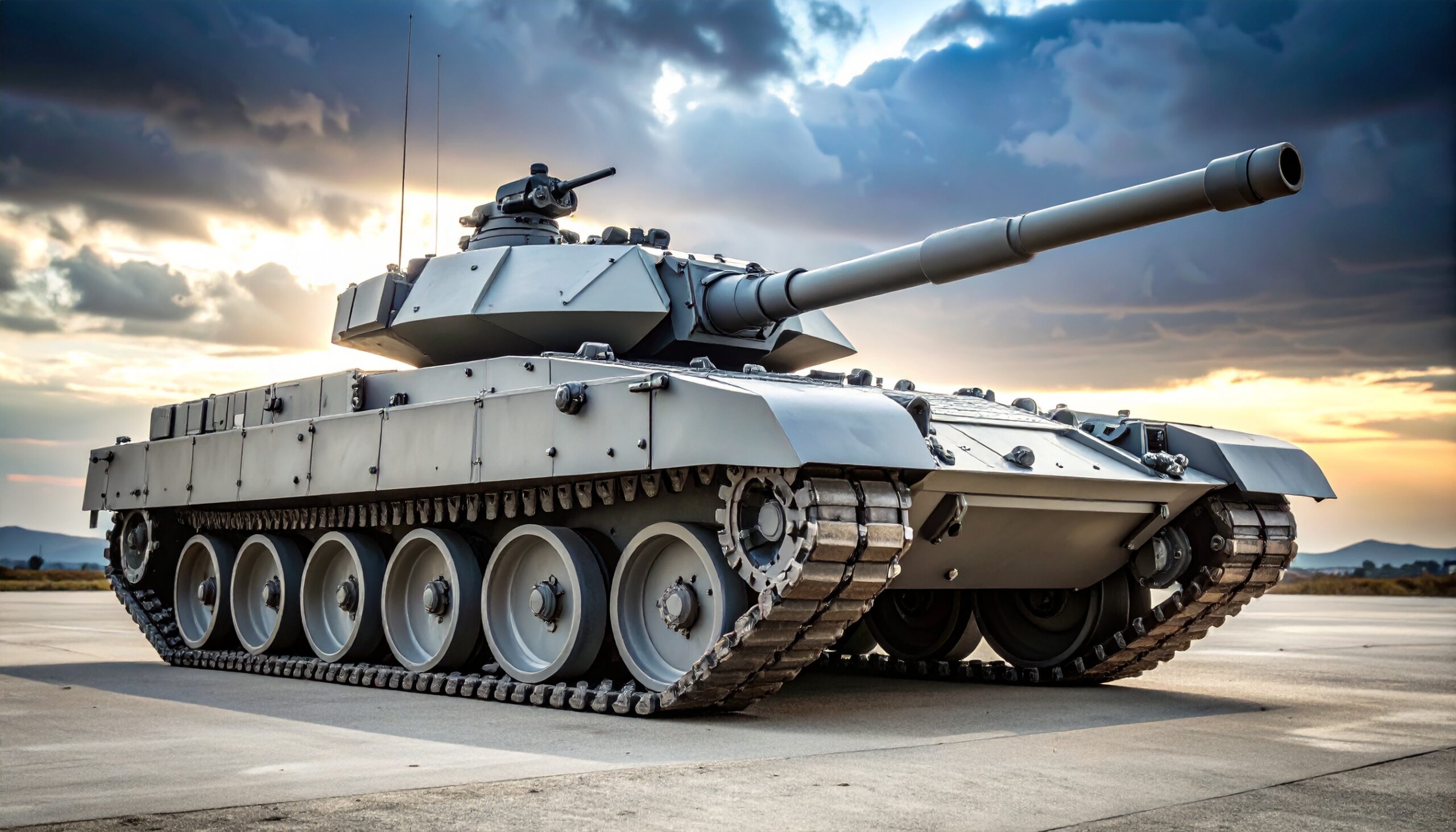
Spain’s armaments procurement authority has awarded Indra Sistemas a major research and development contract to support the creation of a future main battle tank for the Spanish Army. The initiative forms part of Madrid’s long-term effort to modernize its armored forces and prepare for the eventual retirement of the Leopard 2E fleet.
Valued at €45 million ($53 million) and spanning two years, the contract falls under the Spanish Army’s special modernization framework aimed at maintaining operational relevance beyond 2040, when the Leopard 2E is expected to be phased out of service. The program is designed to ensure continuity in armored warfare capabilities while introducing advanced technologies tailored for future battlefields.
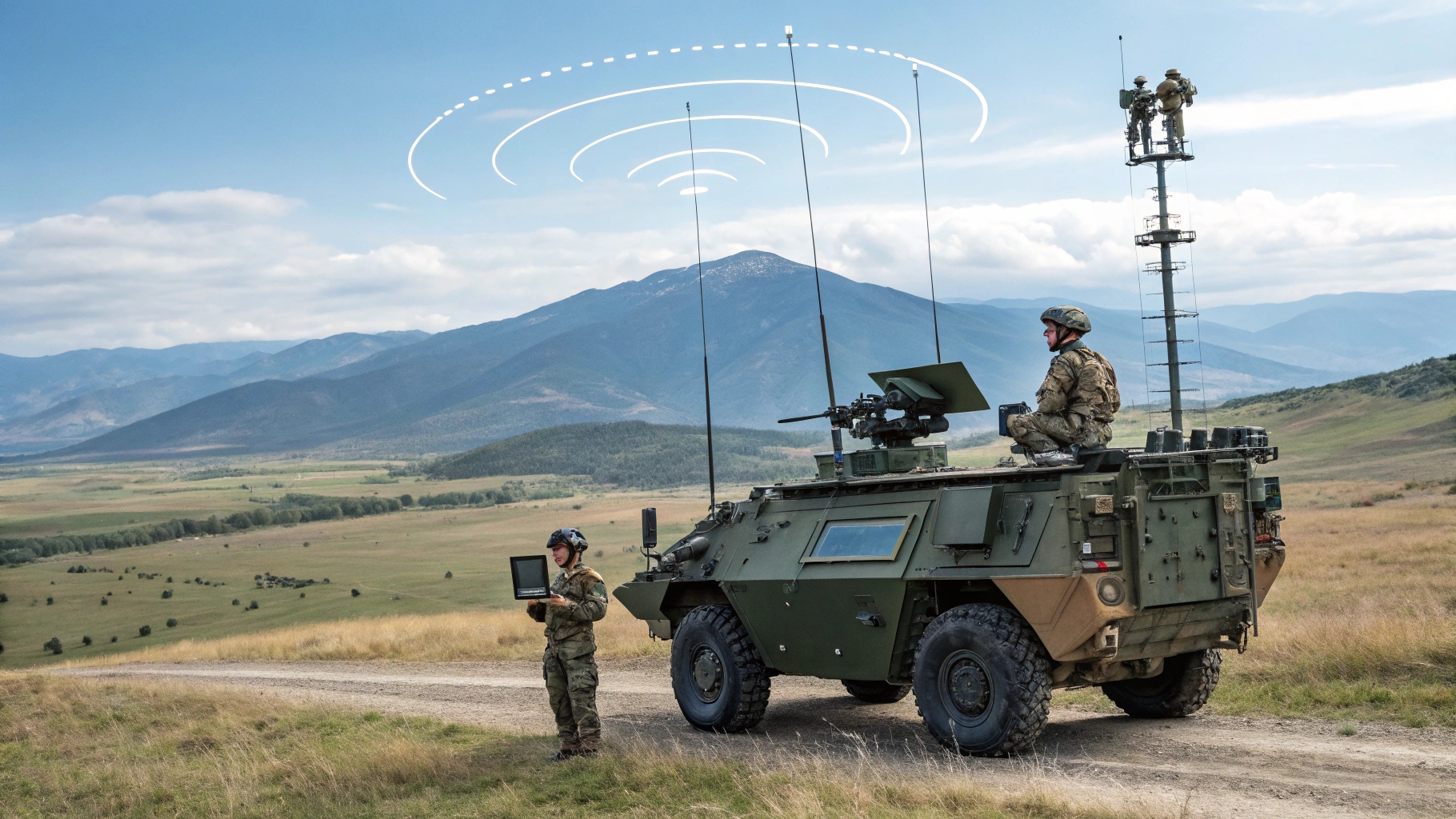
The R&D effort focuses on developing key systems for a next-generation land combat platform, including advanced electronics, integrated sensor suites, command-and-control networks, active protection systems, enhanced mobility solutions, and improved situational awareness. According to Spanish officials, the design is expected to extend effective firing range without increasing barrel length or reducing overall maneuverability.
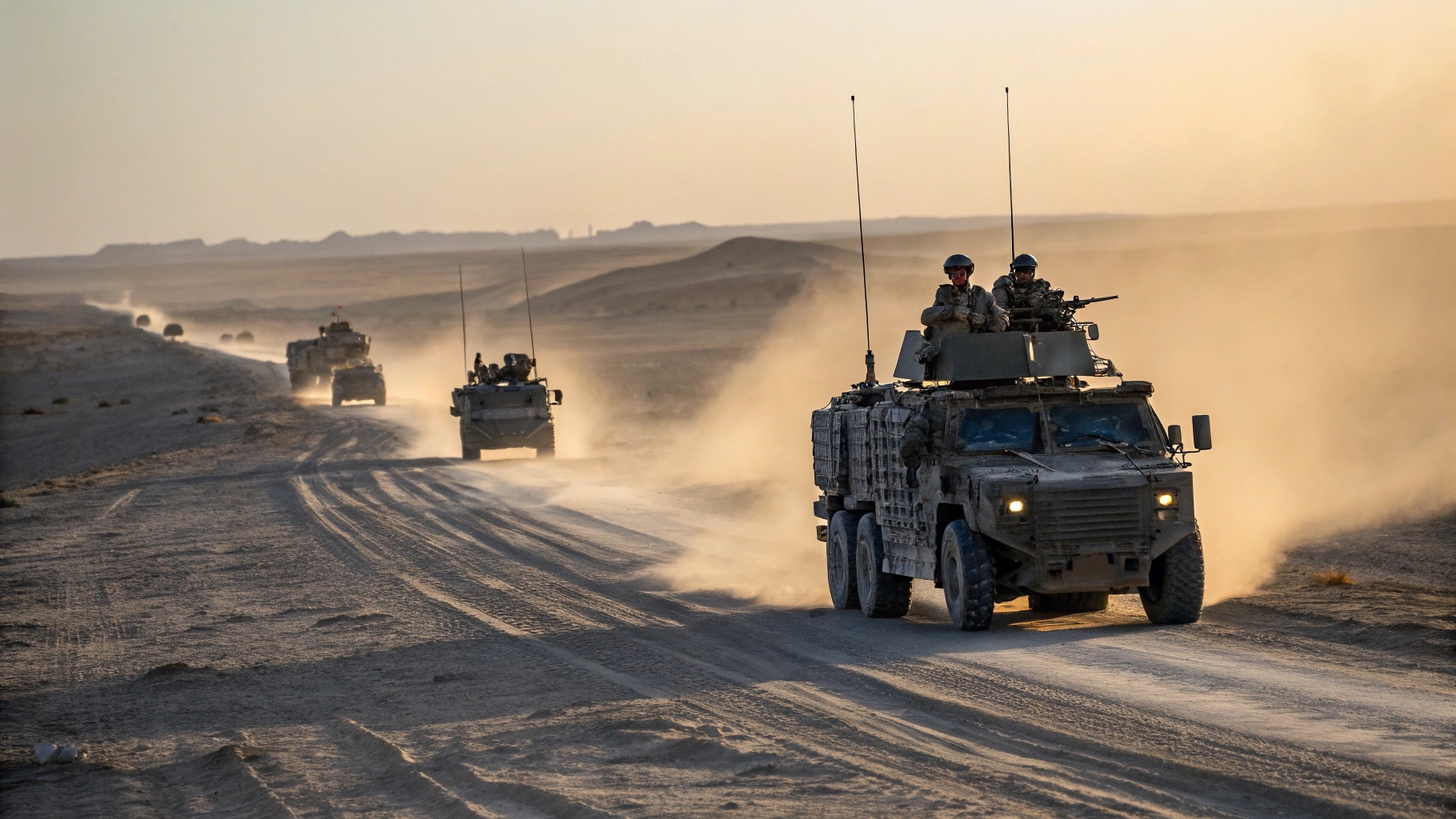
A defining feature of the concept is the planned integration of unmanned ground vehicles (UGVs) and unmanned aerial systems (UAS), either as standalone assets or operating in coordinated swarms. The ability to command and control networked unmanned platforms is viewed as a decisive tactical advantage, enabling armored units to operate more effectively in contested and high-threat environments.
Spanish authorities noted that the program goes beyond a simple replacement for the Leopard 2E. The future platform is also described as a potential successor to France’s Leclerc main battle tank, opening the door to export opportunities across Europe and international markets. While Spain is not currently involved in the Franco-German next-generation tank initiative led by KNDS, Rheinmetall, and Thales, officials acknowledged that the two programs could align in the future due to their shared technological and operational goals.