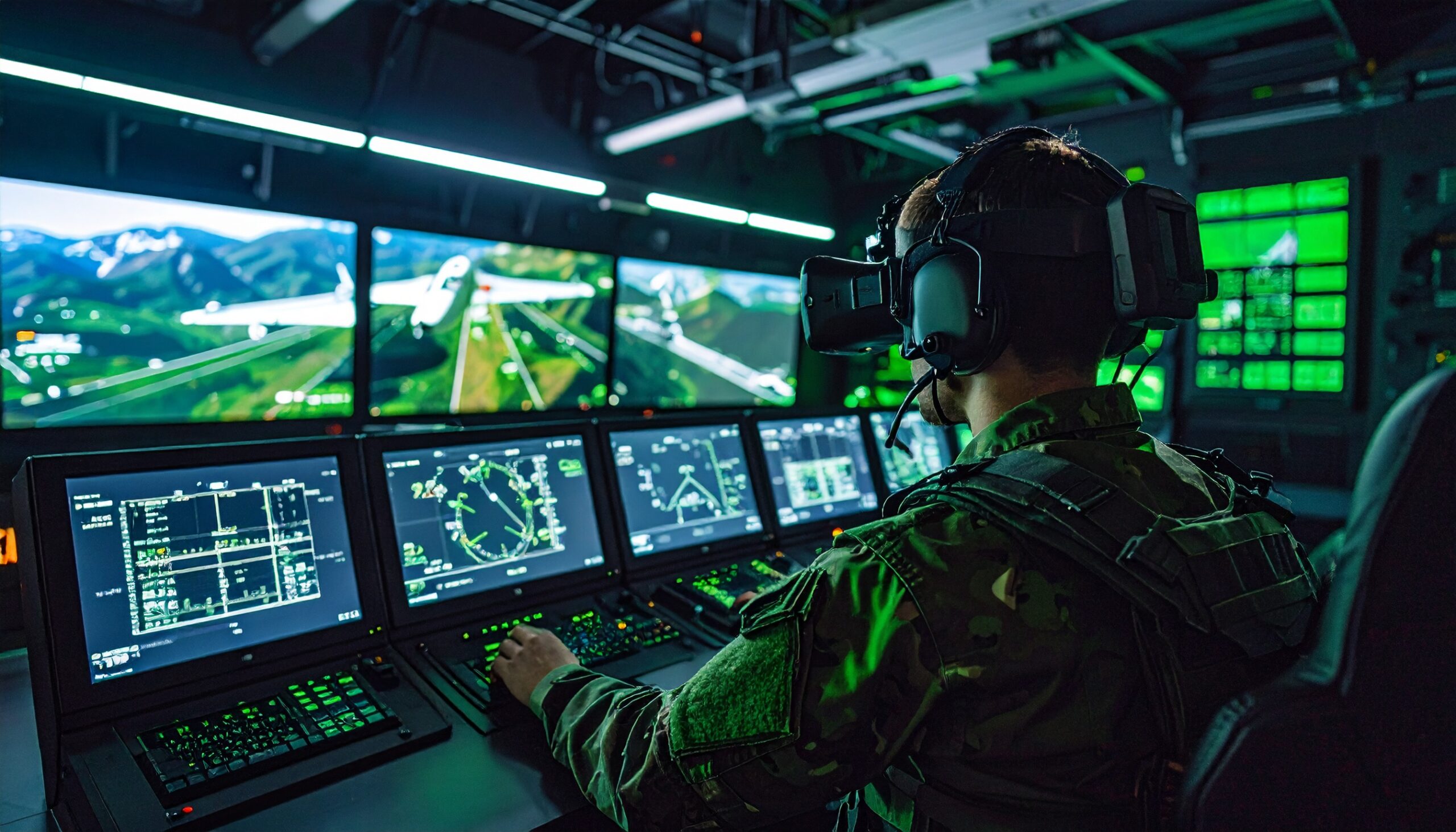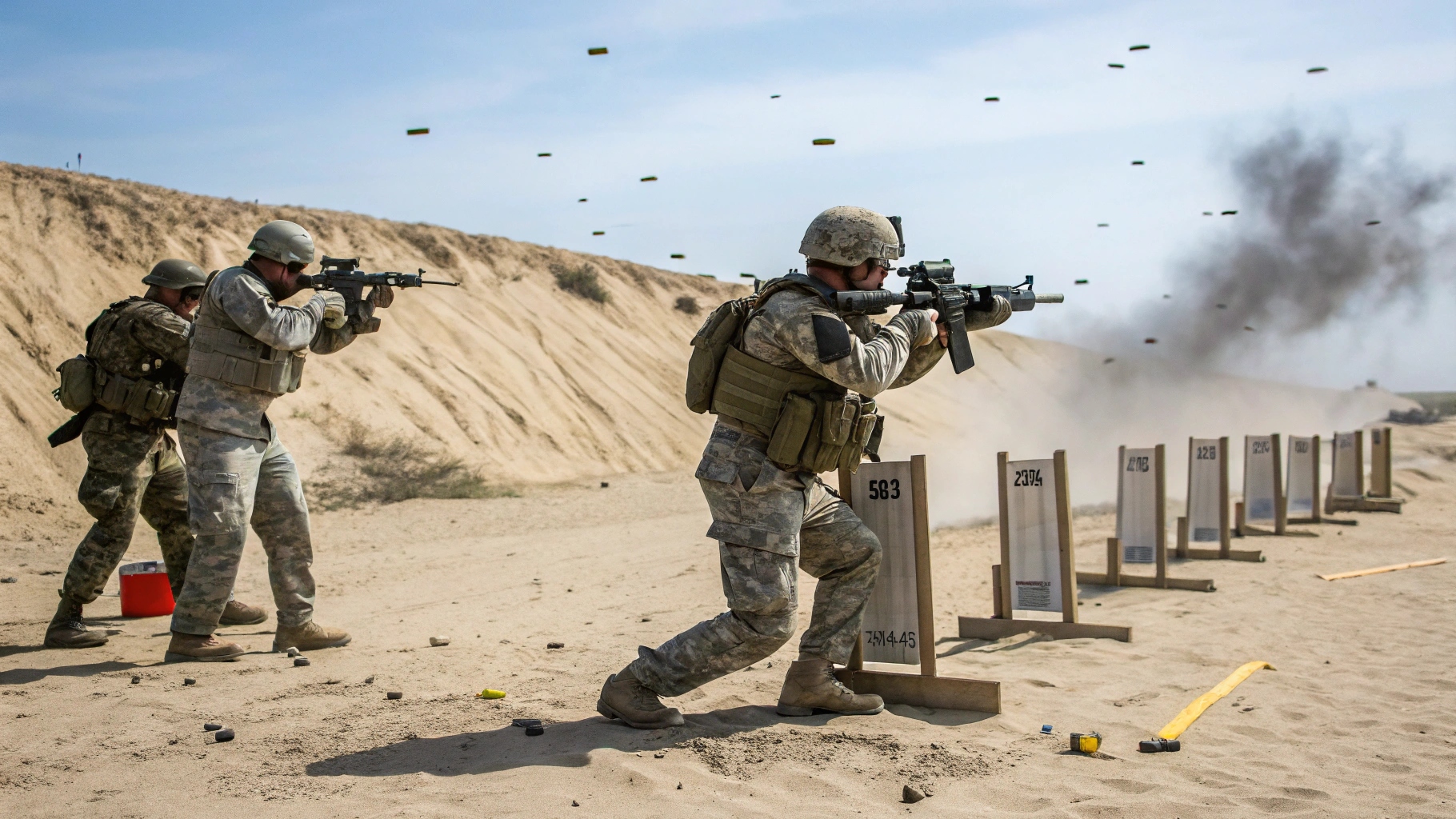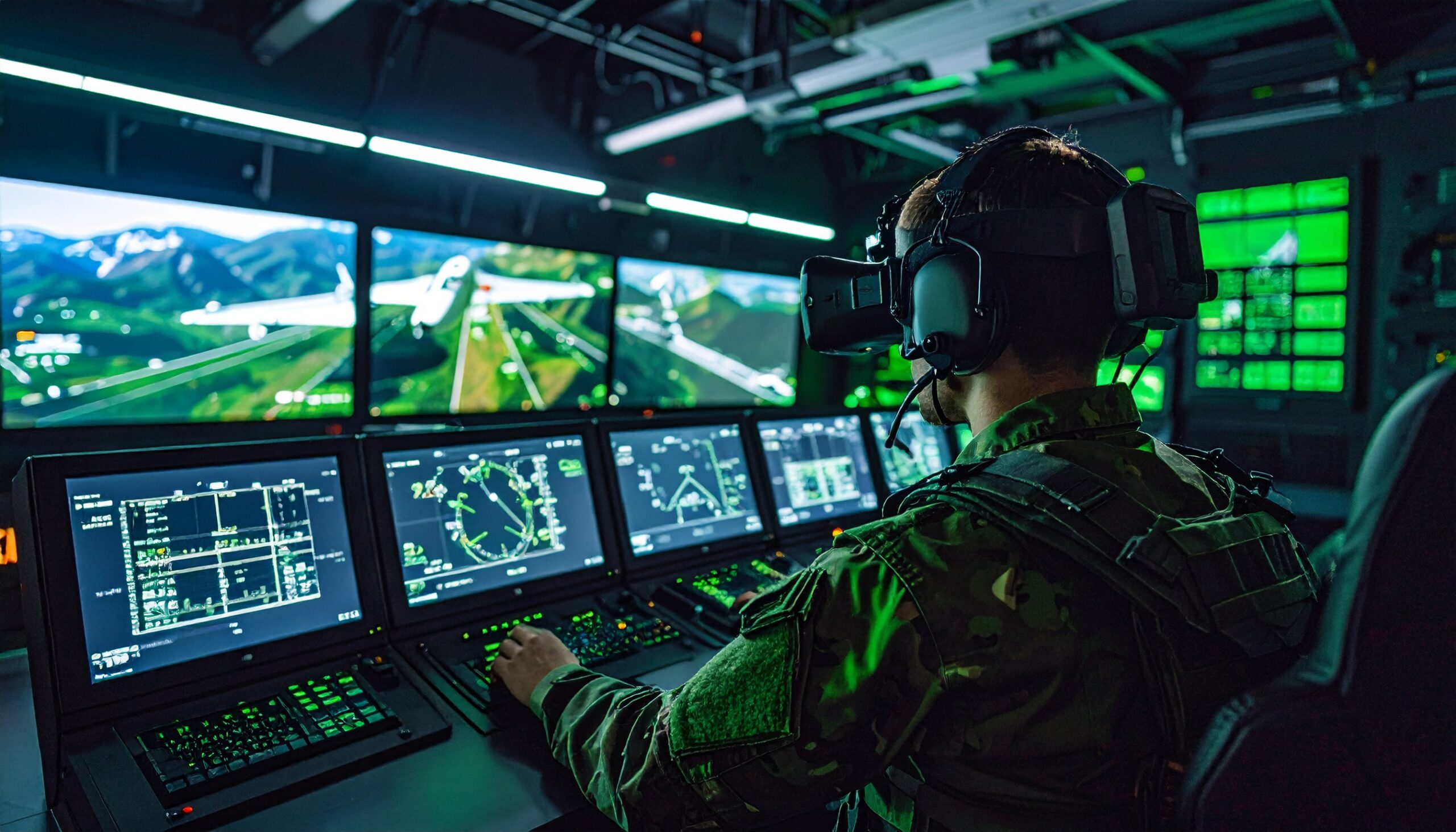
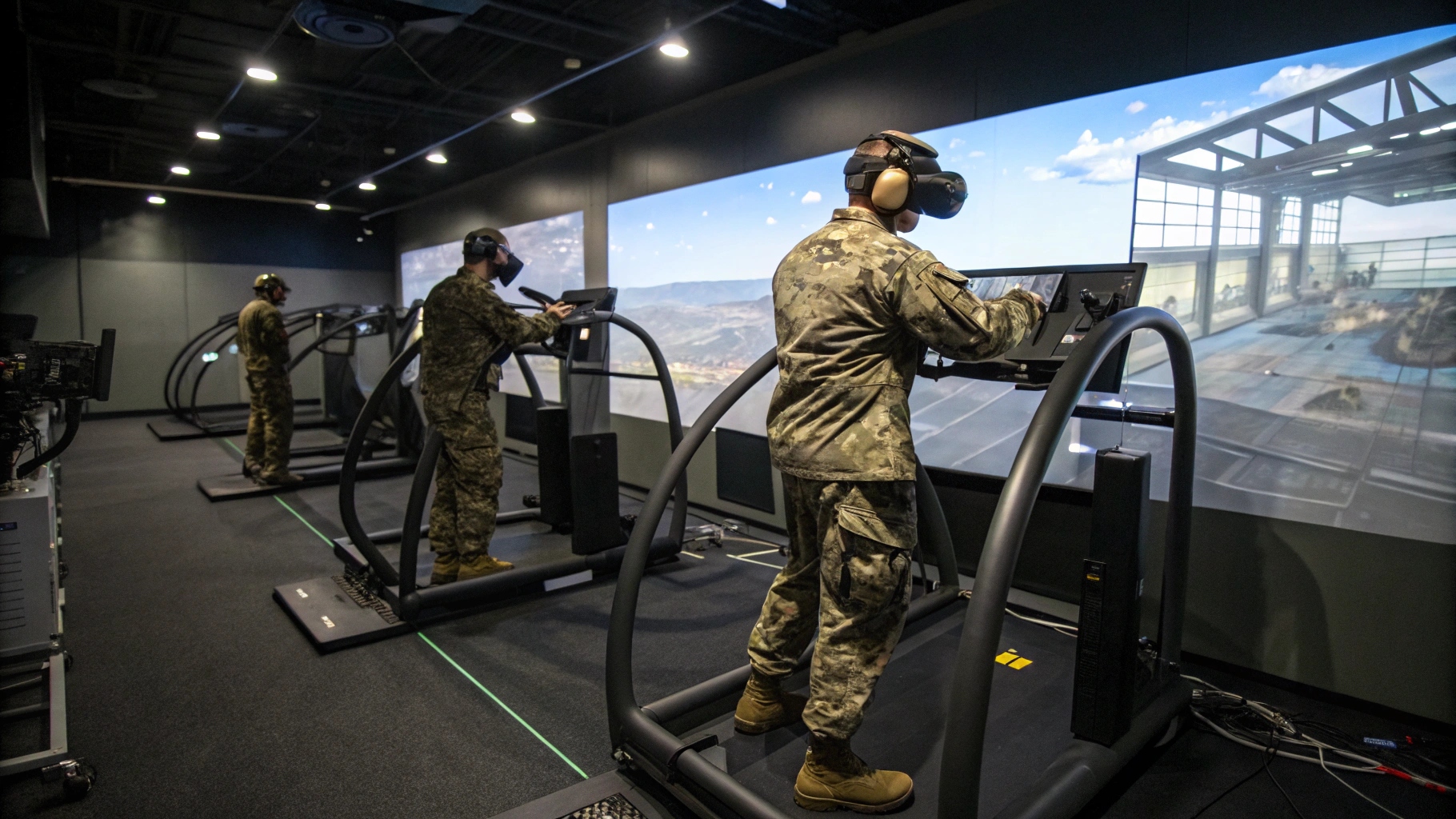
The US Marine Corps has introduced a new training and certification framework aimed at rapidly expanding the number of personnel qualified to operate small unmanned aerial systems (sUAS), including first-person-view (FPV) attack drones. The initiative is designed to standardize instruction as new commercial and military drone platforms enter service.
The program supports the Pentagon’s broader plan to field tens of thousands of attack drones starting in March 2026, with further increases expected in subsequent years. Systems being incorporated into training include commercial off-the-shelf FPV drones, such as the Neros Archer, reflecting the military’s shift toward agile and rapidly deployable unmanned capabilities.
Developed by the Marine Corps’ Training and Education Command, the framework introduces six pilot courses and eight certification tracks covering roles such as basic drone operators, FPV attack drone pilots, payload specialists, and instructors. The courses are open to Marines across multiple occupational specialties and focus on foundational skills for both armed and unarmed drone operations.
Seven organizations have been designated as regional training hubs, including operational units, schools, and Marine Forces Special Operations Command. The Weapons Training Battalion at Marine Corps Base Quantico will serve as the interim central authority, overseeing standardization, safety, and certification, with hundreds of additional Marines expected to enter the program ahead of a full FPV capability rollout across infantry, reconnaissance, and littoral units by May 2026.