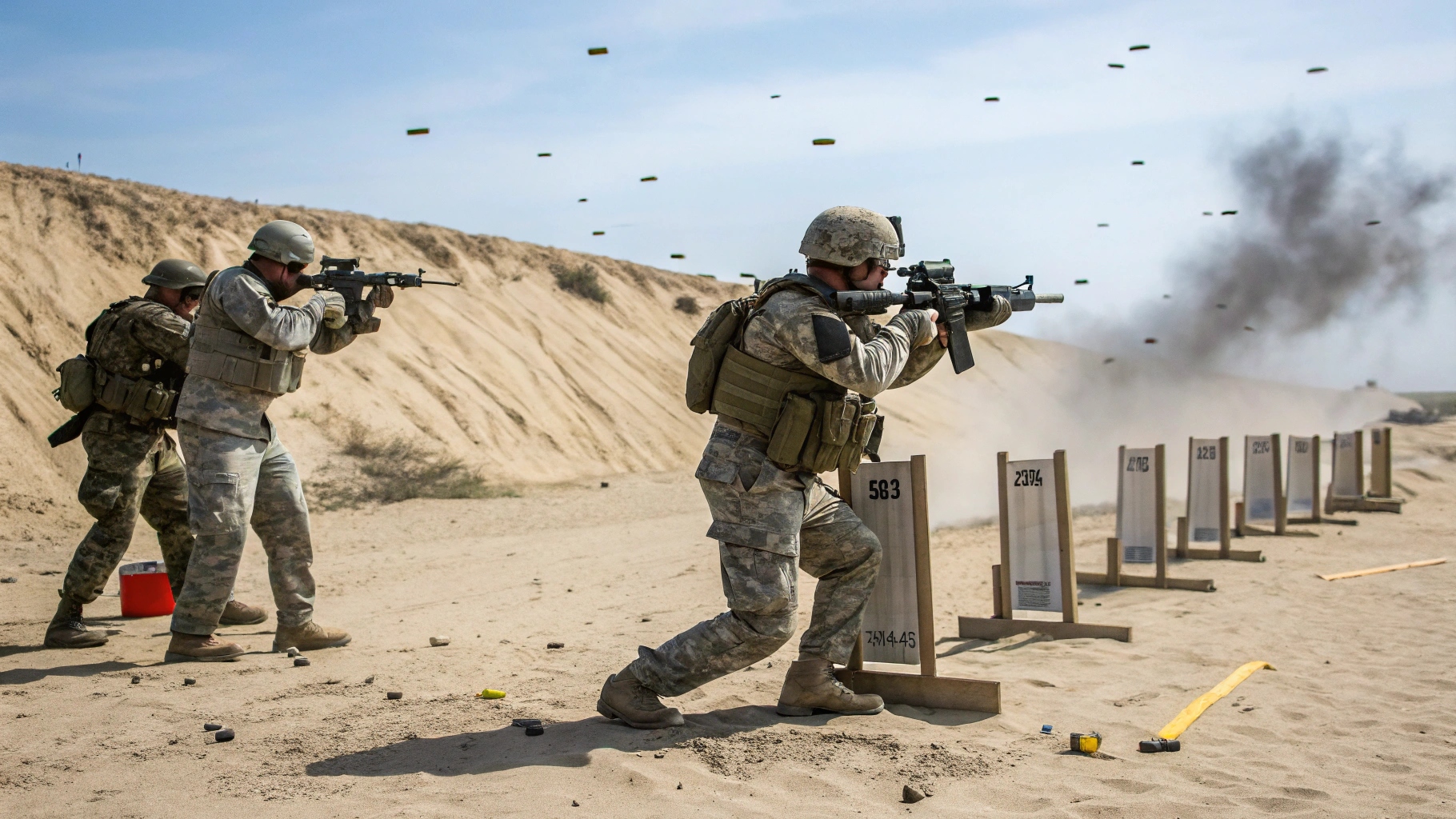

India is preparing to strengthen its national emergency preparedness framework through a joint initiative by the Ministry of Home Affairs (MHA) and the Indian Army to establish a modern and responsive Civil Defence network. The programme aims to improve the country’s ability to address emerging security threats, major emergencies and risks to critical infrastructure. The initiative follows Prime Minister Narendra Modi’s Independence Day address at the Red Fort on 15 August 2026, during which he called for a modern Civil Defence framework supported by advanced technologies and improved preparedness capabilities. As an initial step, the Directorate General of Fire Services, Civil Defence and Home Guards, under the MHA, will conduct a specialised three-day training programme for Civil Defence Master Trainers in coordination with the Indian Army. The pilot programme will cover 12 states and Union Territories: Jammu and Kashmir, Punjab, Rajasthan, Gujarat, Delhi, Meghalaya, Sikkim, Assam, Uttar Pradesh, Kerala, Karnataka and Tamil Nadu. A total of 600 trainers, comprising 50 participants from each participating state or UT, will receive instruction at designated Army training establishments. The programme is scheduled to conclude by the second week of November 2026. Training will focus on three areas: threat awareness, protection and emergency response, and communication and coordination. Subjects will include modern and hybrid warfare, drone awareness, air-raid threats, critical infrastructure protection, fire safety, Chemical, Biological, Radiological and Nuclear (CBRN) awareness, casualty management, and search-and-rescue operations. Participants will also learn emergency communications, cyber hygiene, digital resilience, civil-military coordination and incident command. Under the programme’s cascading training model, each Master Trainer will subsequently train 100 Civil Defence volunteers in their respective state or UT. According to the MHA, this approach could extend specialised preparedness training to 60,000 volunteers across the 12 participating regions. By combining the Indian Army’s operational expertise with the existing Civil Defence volunteer network, the initiative seeks to improve emergency response, disaster management and the protection of essential infrastructure. Following an assessment of the pilot phase, the government intends to extend the programme gradually to the remaining states and Union Territories, advancing its goal of building a robust, responsive and future-ready Civil Defence network.