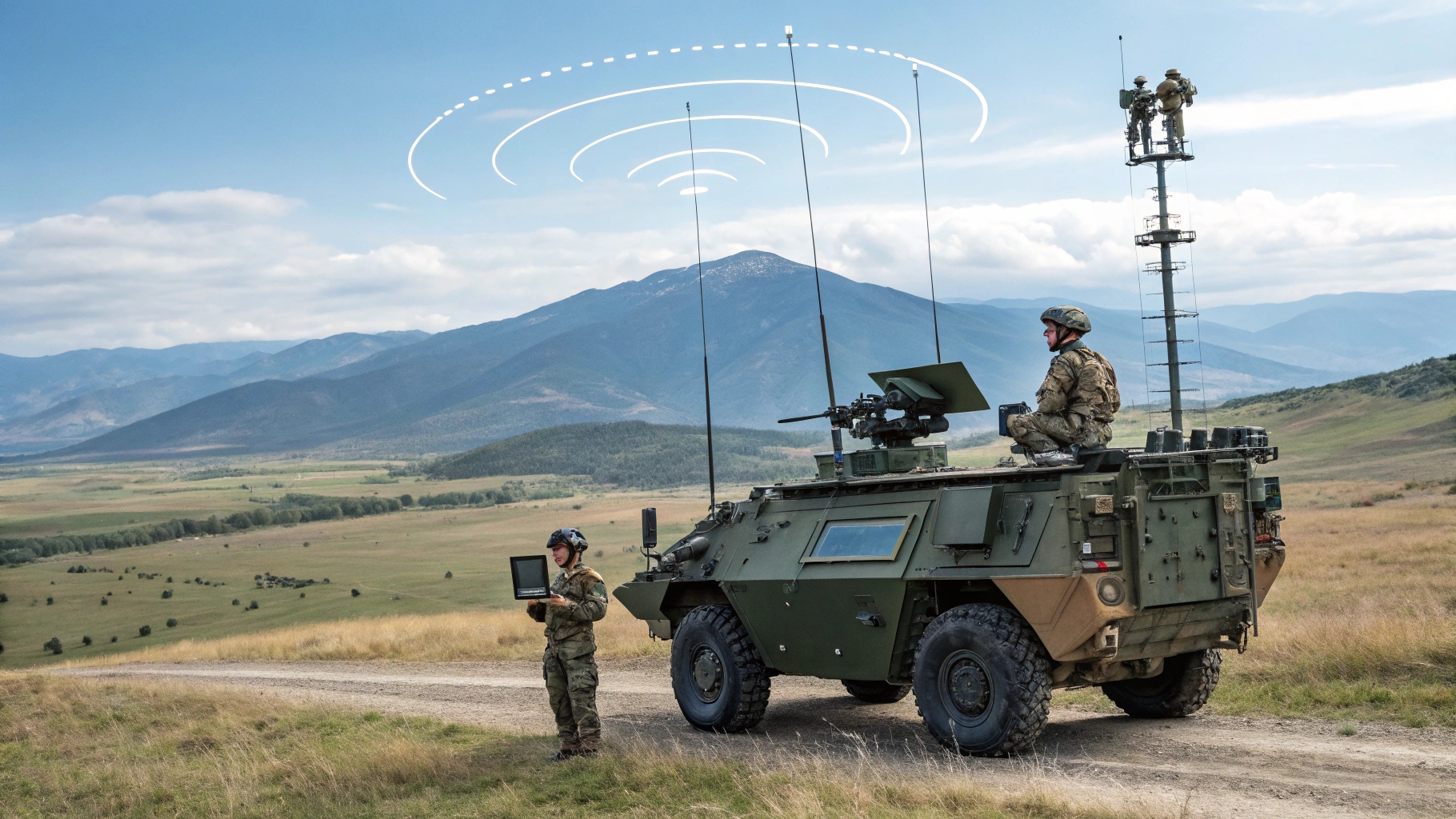
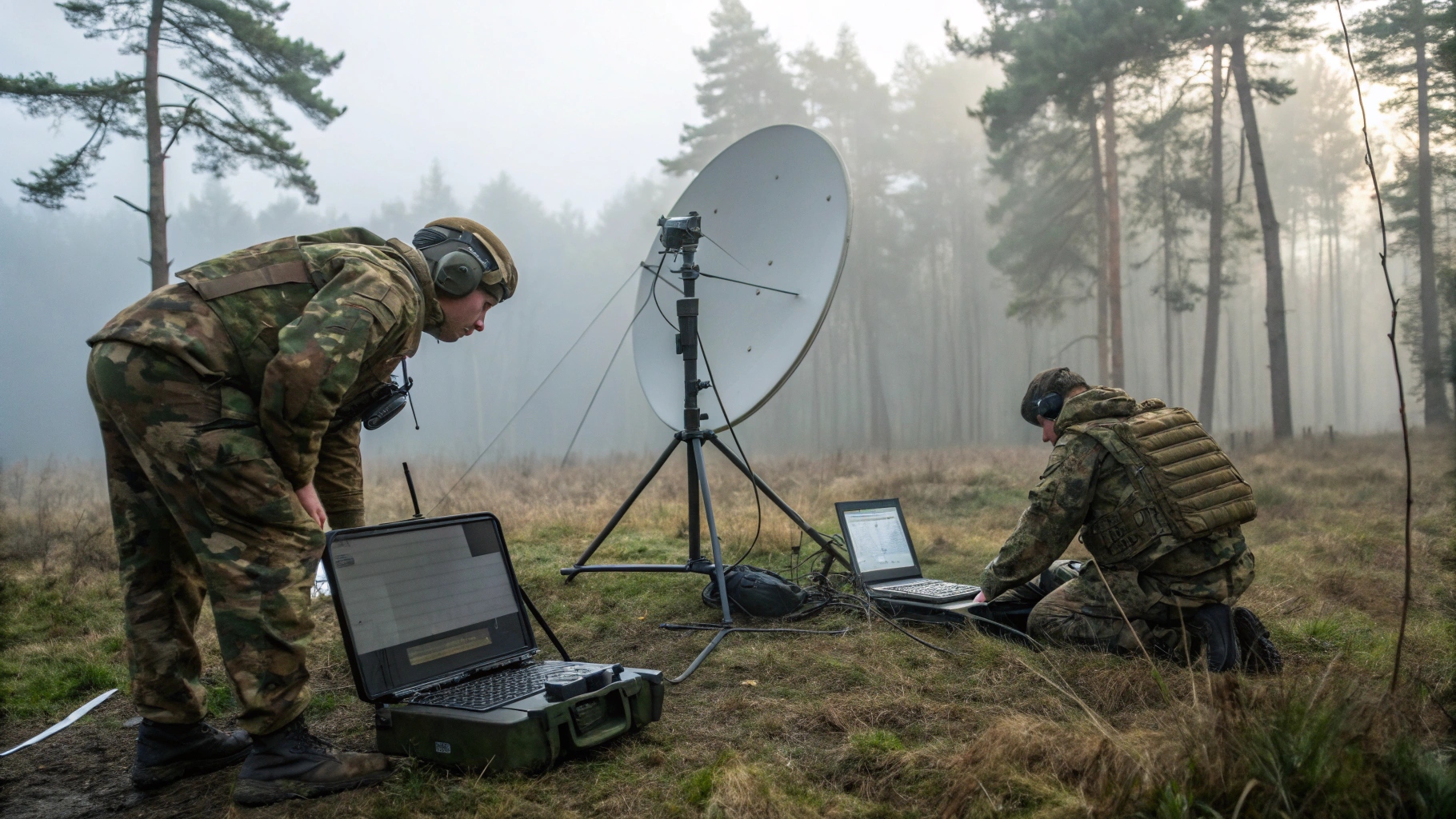
Poland’s Armament Agency has finalized a 2-billion Polish złoty ($550 million) agreement with local defense firm Wojskowe Zakłady Łączności Nr 1 to deliver mobile communication nodes for Phase II of the country’s Wisła air and missile defense program. The package includes 56 nodes, along with logistics and training support, with deliveries planned between 2027 and 2030. These communication assets will provide secure, encrypted, and interference-resistant links at both tactical and operational levels, forming a crucial element of Poland’s layered air defense architecture.
The Wisła program, launched in 2018, is Poland’s flagship initiative to strengthen its air and missile defense in alignment with NATO standards. Phase I introduced two Patriot batteries armed with PAC-3 MSE interceptors and integrated through the US-developed Integrated Air and Missile Defense Battle Command System (IBCS). This network achieved initial operational capability in December 2024, enabling Poland to counter medium-range threats, including ballistic and cruise missiles, as well as unmanned aerial systems.
Phase II, contracted in 2023, will expand the system with six additional Patriot batteries integrated into IBCS. It will also introduce the Lower Tier Air and Missile Defense Sensor (LTAMDS), designed to replace legacy Patriot radars. Developed by Raytheon and powered by Gallium Nitride-based active electronically scanned array technology, the radar offers 360-degree surveillance, enhancing Poland’s ability to track and neutralize advanced ballistic and hypersonic threats. Low-rate production of the sensor is set to begin in 2025, with full-rate production expected by 2028.