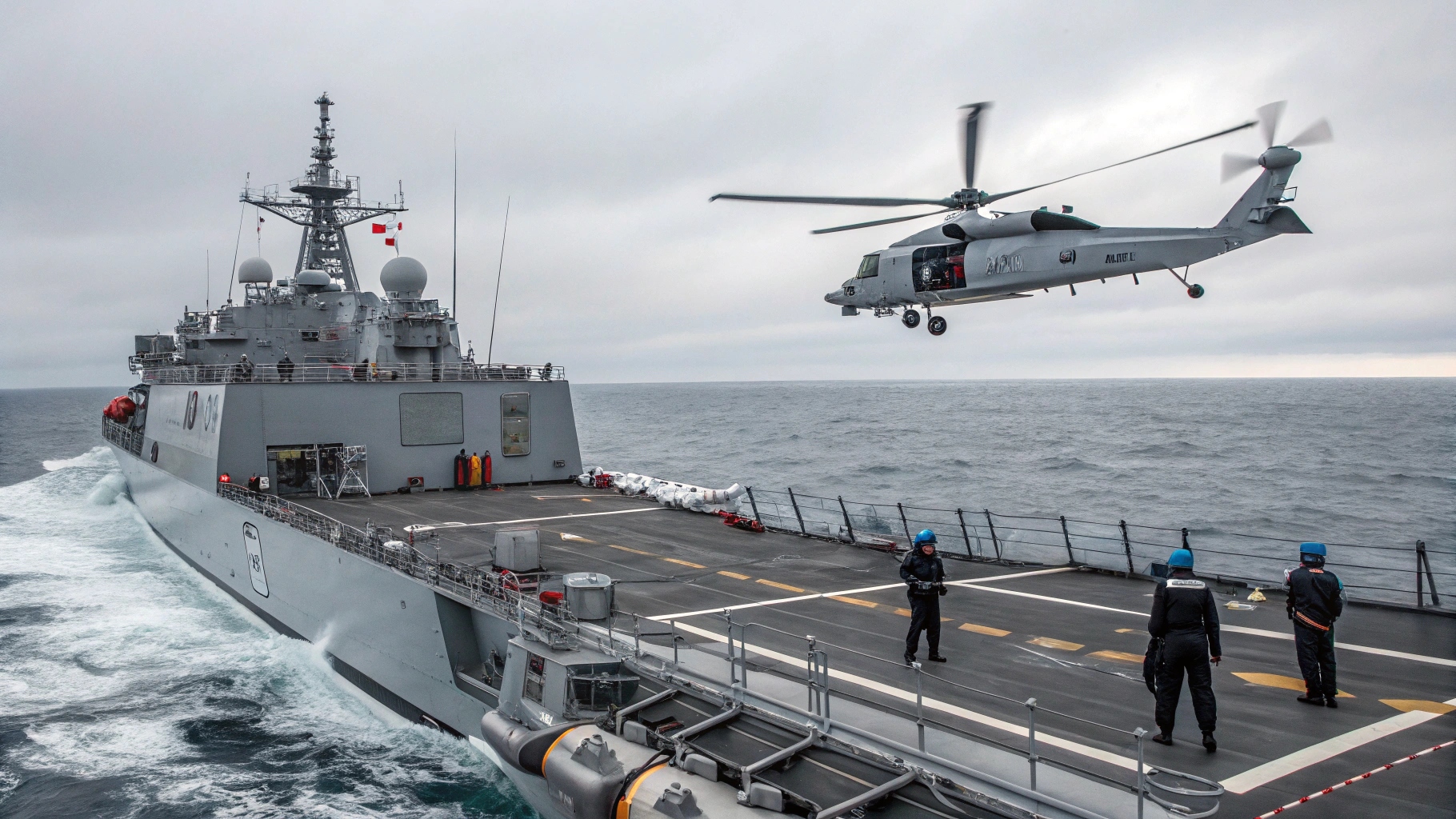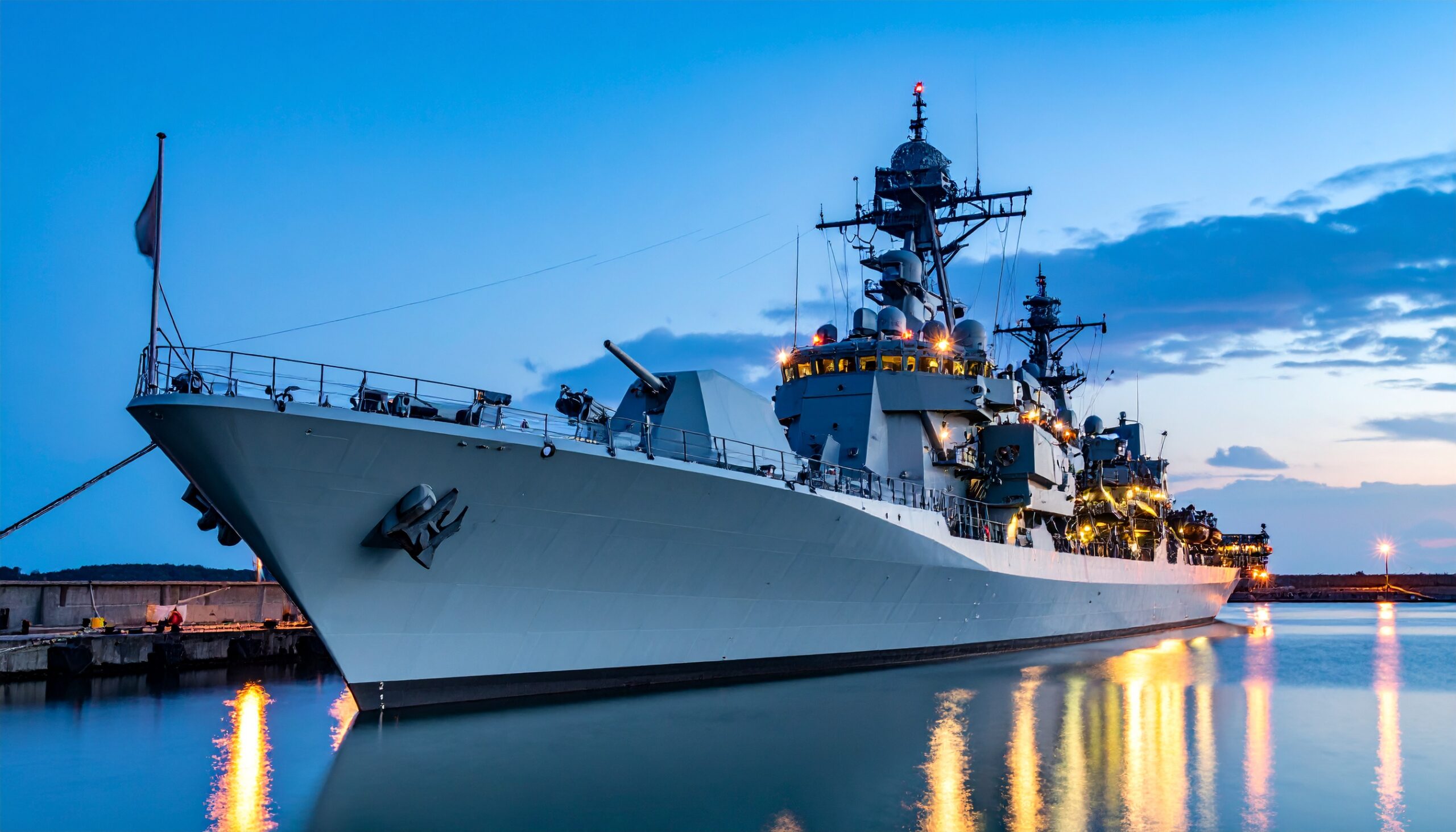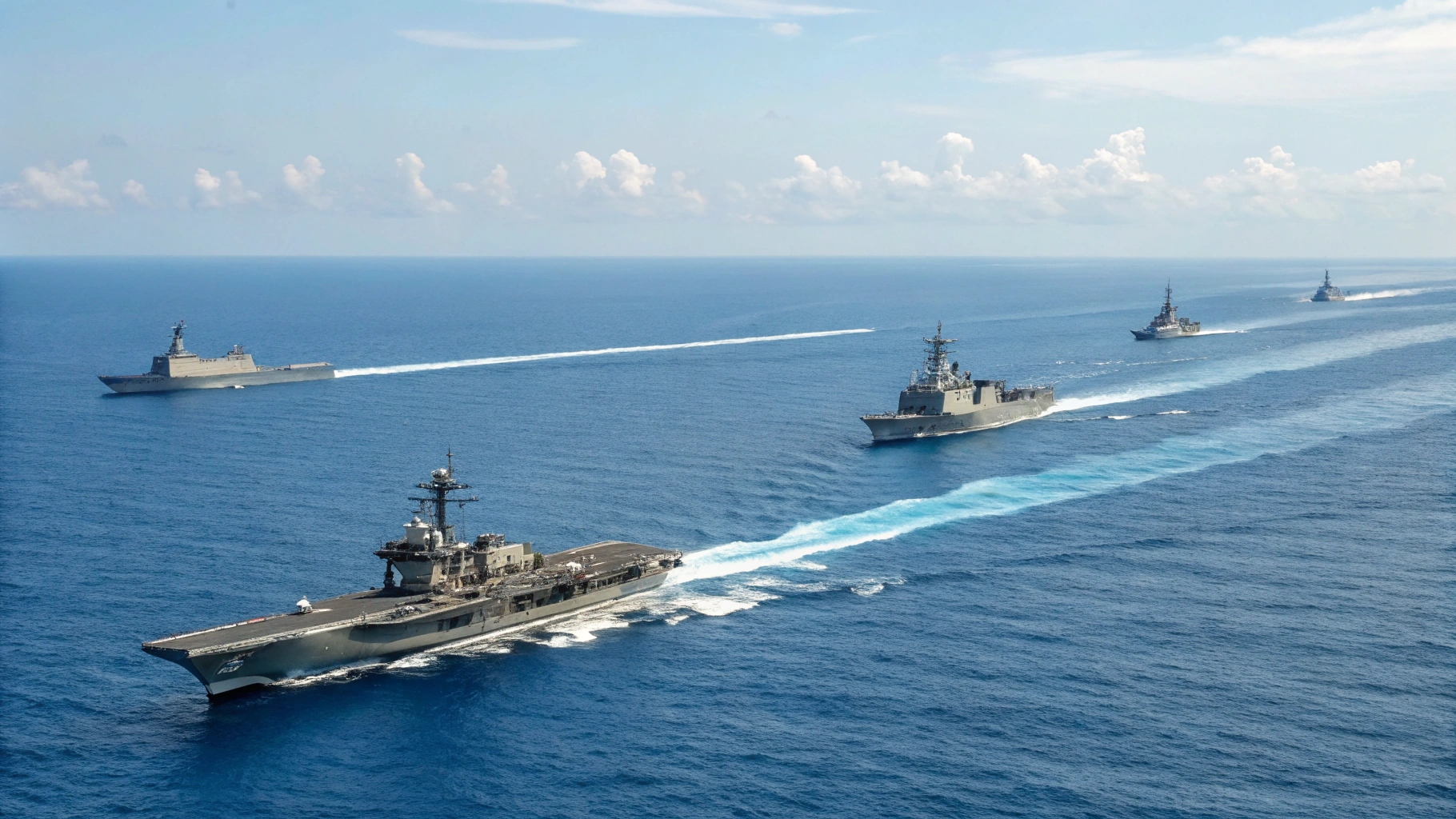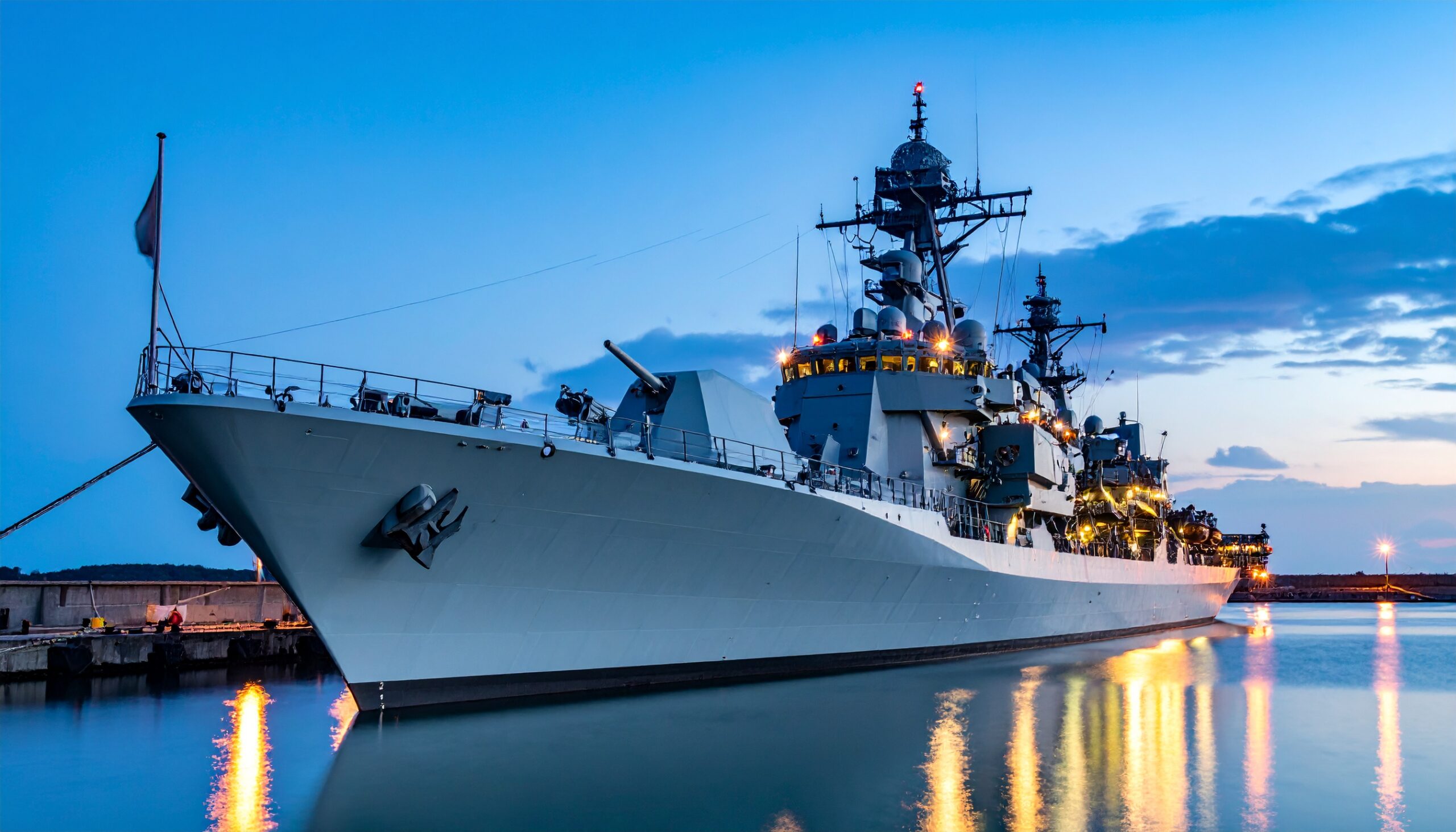
The Spanish Navy frigate Almirante Juan de Borbón is set to deploy on January 10, 2026, as the command ship of NATO’s Standing Naval Group 1 (SNMG-1), marking a significant milestone in Spain’s expanding leadership role within the alliance. Departing from the Ferrol Military Arsenal, the frigate will host the task force headquarters at sea, underscoring Spain’s contribution to NATO’s forward maritime presence in northern European waters.
According to the Spanish Navy, the deployment follows the vessel’s successful completion of the highest level of operational certification. The formal transfer of command is scheduled to take place in Den Helder, the Netherlands, where Rear Admiral Joaquín Ruiz Escagedo will assume leadership of SNMG-1. The embarked multinational staff—composed primarily of Spanish personnel—will operate from aboard the frigate for the duration of the deployment, reflecting confidence in both the ship’s capabilities and its crew.
The Almirante Juan de Borbón (F-102) belongs to the Álvaro de Bazán class of air-defense frigates, a design optimized for command-and-control roles. With a full-load displacement of nearly 5,900 tonnes and a length of 146.7 meters, the ship offers the internal volume and endurance required to support an embarked headquarters staff alongside routine naval operations. Its combined diesel or gas (CODOG) propulsion system enables commanders to balance fuel-efficient cruising with high-speed maneuvering, a key advantage for NATO task group operations.
From a combat perspective, the frigate is equipped with the AEGIS combat system and SPY-1D phased-array radar, providing robust area air-defense coverage. Armed with SM-2 and Evolved Sea Sparrow Missiles launched from a Mk 41 vertical launch system, Harpoon anti-ship missiles, a 5-inch naval gun, and an embarked SH-60B helicopter, the ship offers a balanced mix of air, surface, and anti-submarine warfare capabilities. This combination makes the Almirante Juan de Borbón well suited to lead and protect a multinational NATO naval force in increasingly complex maritime security environments.