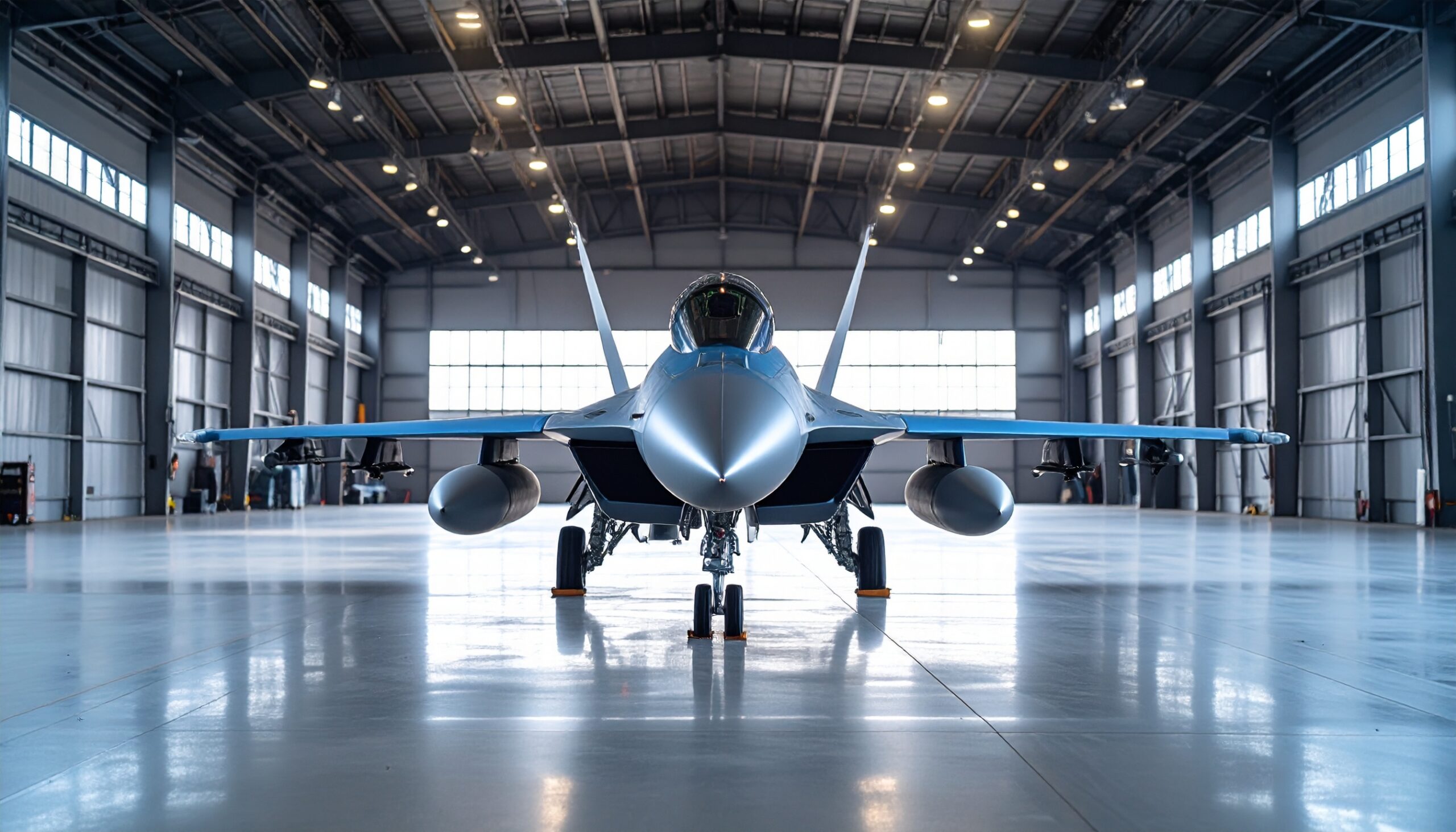
India and France have stepped up negotiations over a major Rafale fighter jet acquisition for the Indian Air Force (IAF), with discussions gaining momentum ahead of French President Emmanuel Macron’s scheduled visit to India in February. The proposed deal, valued at approximately ₹200 billion ($22 billion), is aimed at strengthening India’s combat aviation capabilities amid a growing shortfall in fighter squadrons.
In September, the IAF submitted a proposal to the Ministry of Defence (MoD) seeking approval to procure 114 Rafale multirole fighters under the long-pending Multirole Fighter Aircraft (MRFA) program. However, the MoD requested additional clarification on industrial participation, with a particular focus on local manufacturing, technology transfer, and the percentage of indigenous content to be incorporated into the aircraft.
While it remains uncertain whether a revised proposal has been formally resubmitted, Indian media reports indicate that the project is expected to gain traction as diplomatic engagements intensify ahead of Macron’s visit. Once cleared by the Defence Acquisition Council, the deal would proceed to detailed price negotiations before requiring final approval from the Cabinet Committee on Security.
If concluded, the government-to-government agreement would significantly expand the IAF’s Rafale fleet beyond the 36 aircraft ordered in 2016, currently deployed with frontline squadrons at Ambala and Hasimara. The additional fighters are seen as critical to offsetting the retirement of MiG-21 aircraft and delays in the induction of the indigenous Tejas Mk-1A, both of which have contributed to declining squadron strength.
The MoD is also expected to mandate the establishment of a domestic production line, with Rafale fighters to be manufactured in India through a partnership between Dassault Aviation and an Indian defense company. Tata Advanced Systems has already signed an agreement with Dassault to produce Rafale fuselage sections locally, while plans are reportedly underway to set up an engine manufacturing facility and a maintenance, repair, and overhaul (MRO) hub within the country.