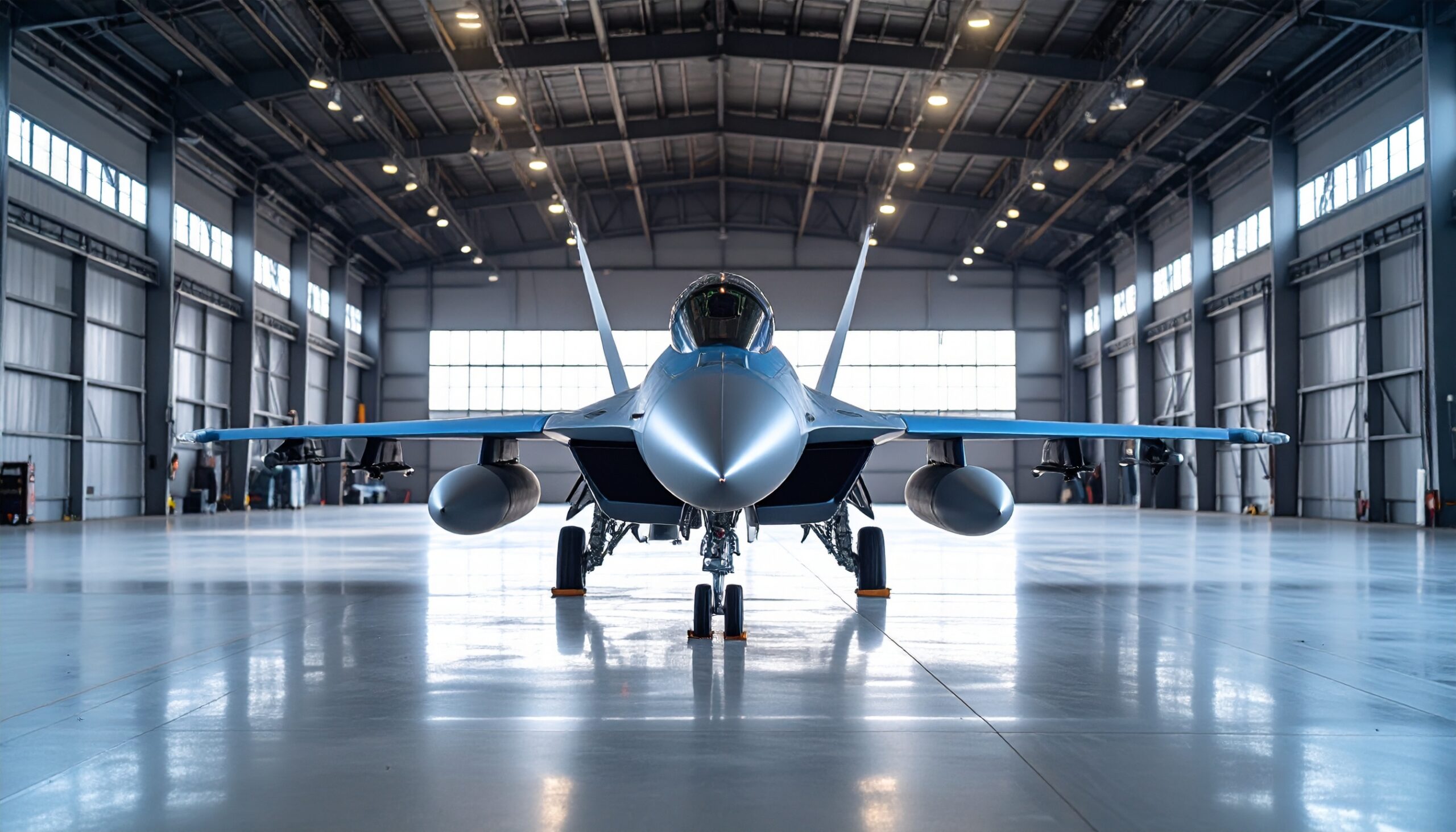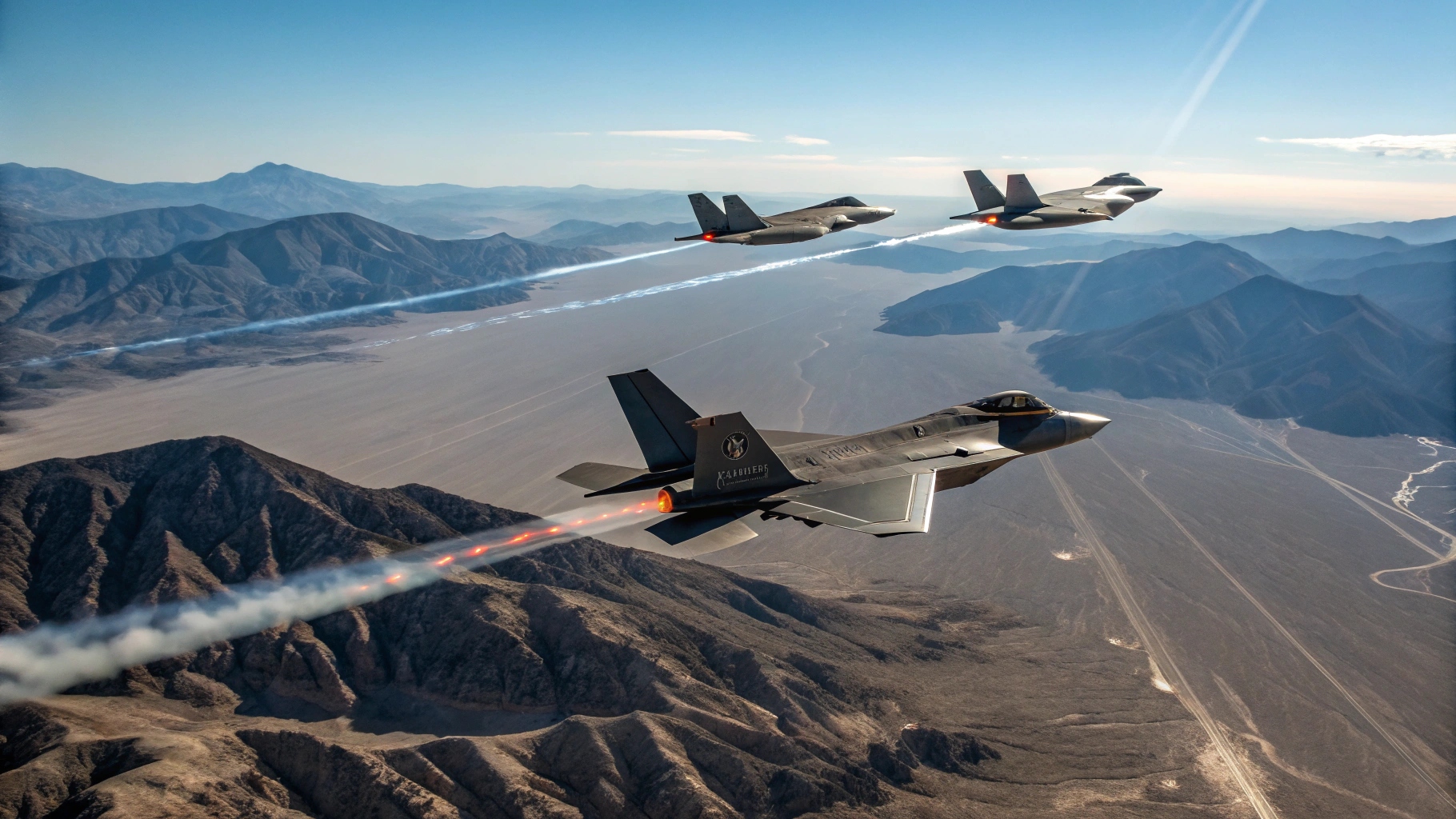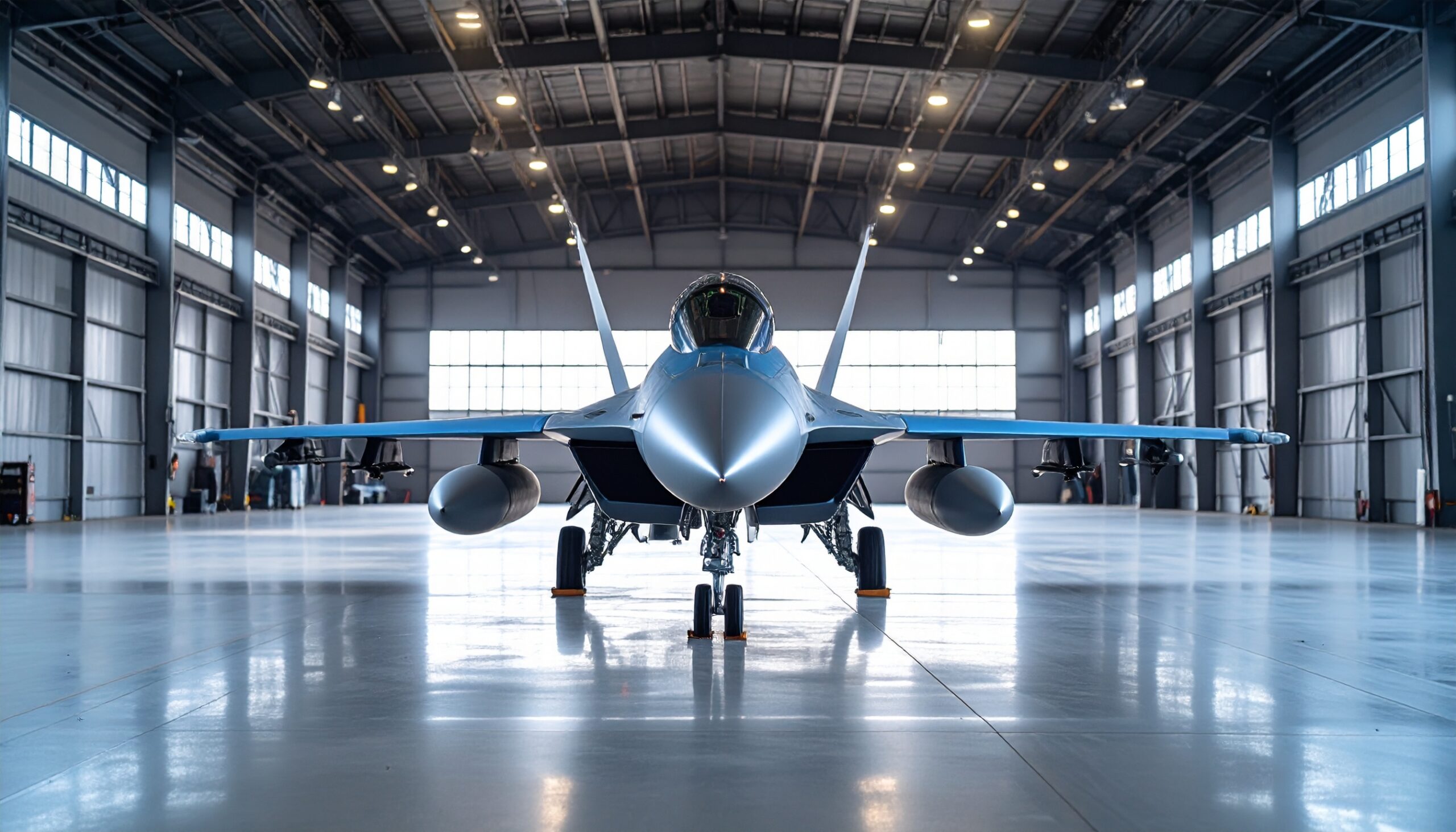
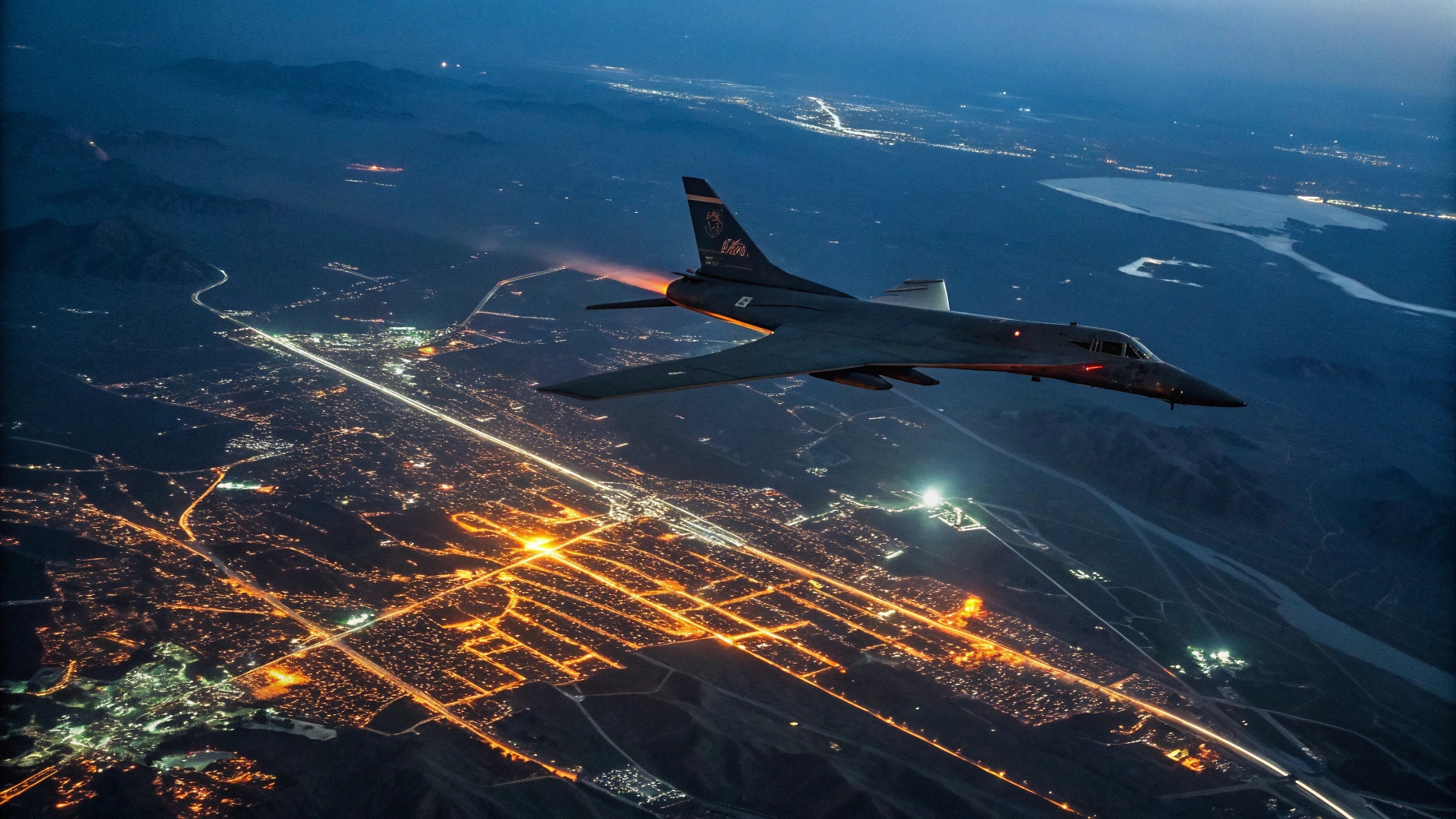
Lockheed Martin has announced that the F-35 Lightning II program achieved a record-breaking production milestone in 2025, delivering 191 aircraft and pushing the global fleet beyond 1,300 jets. The achievement marks the most productive year in the program’s history and underscores the fighter’s evolution from a developmental platform into the backbone of U.S. and allied air combat power.
According to the company, annual F-35 output now exceeds that of any other allied fighter aircraft currently in production by a factor of five, highlighting both the maturity of the manufacturing ecosystem and sustained international demand. The F-35 is now operated by more than 19 countries worldwide, and the program surpassed one million cumulative flight hours earlier in 2025—an indicator of operational depth and growing reliance on the platform across multiple theaters.
Beyond industrial performance, the F-35’s expanding role in live operations has reinforced its strategic relevance. Lockheed Martin confirmed that U.S. and allied F-35 units were deployed during Operation Midnight Hammer, a joint campaign focused on suppressing Iranian integrated air defense systems. While operational details remain classified, industry sources indicate the mission marked the first combat testing of the aircraft’s TR-3 software configuration in a contested environment, validating its ability to penetrate advanced radar networks and conduct precision strikes.
In a separate disclosure, the company revealed that NATO-operated F-35s engaged and neutralized airborne threats over Poland, representing the first known instance of fifth-generation fighters countering drones within NATO airspace. Defense officials in Brussels later confirmed the incident occurred along the alliance’s eastern flank, prompting a broader reassessment of NATO’s integrated air and missile defense posture as unmanned threats continue to proliferate.