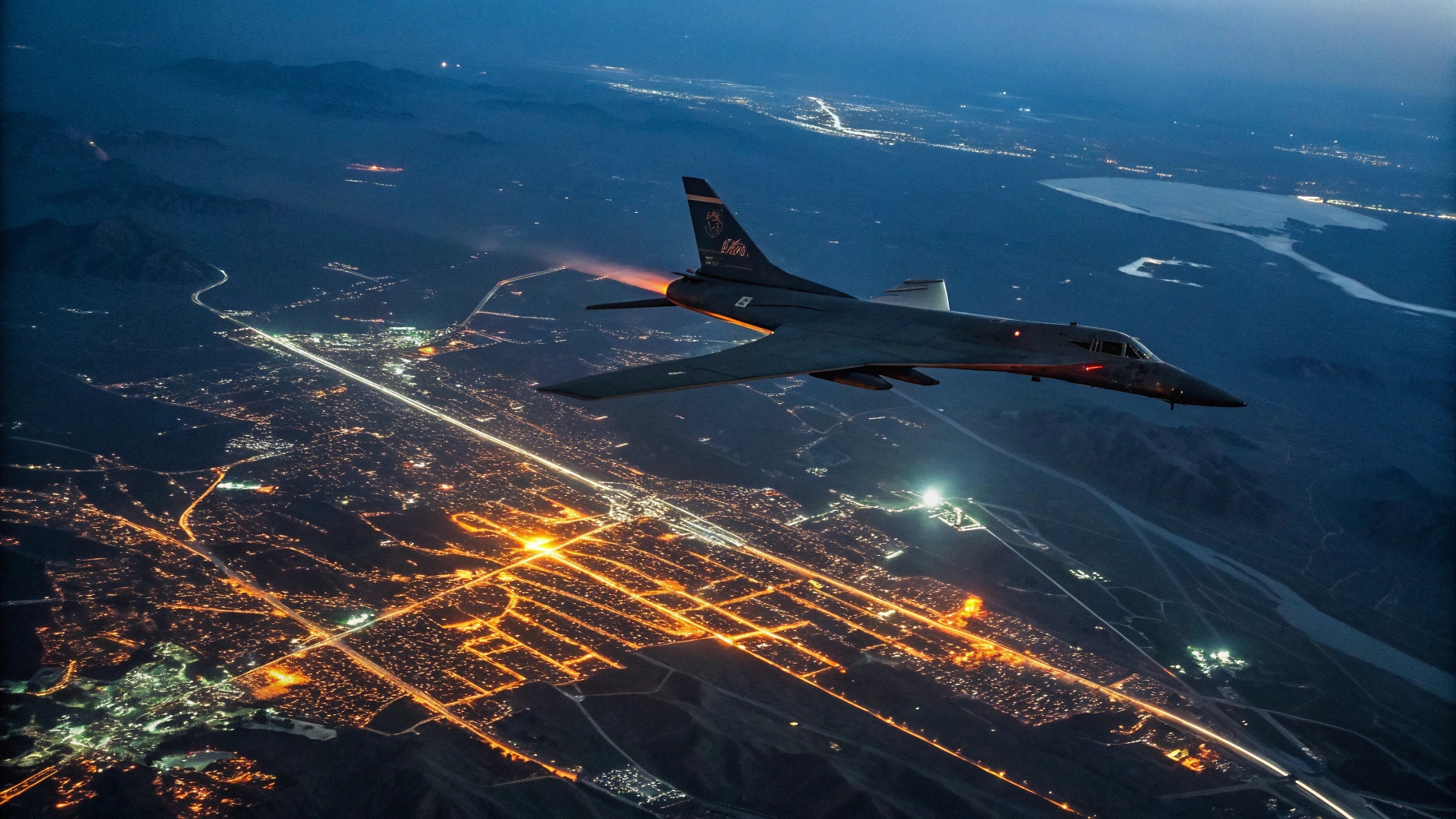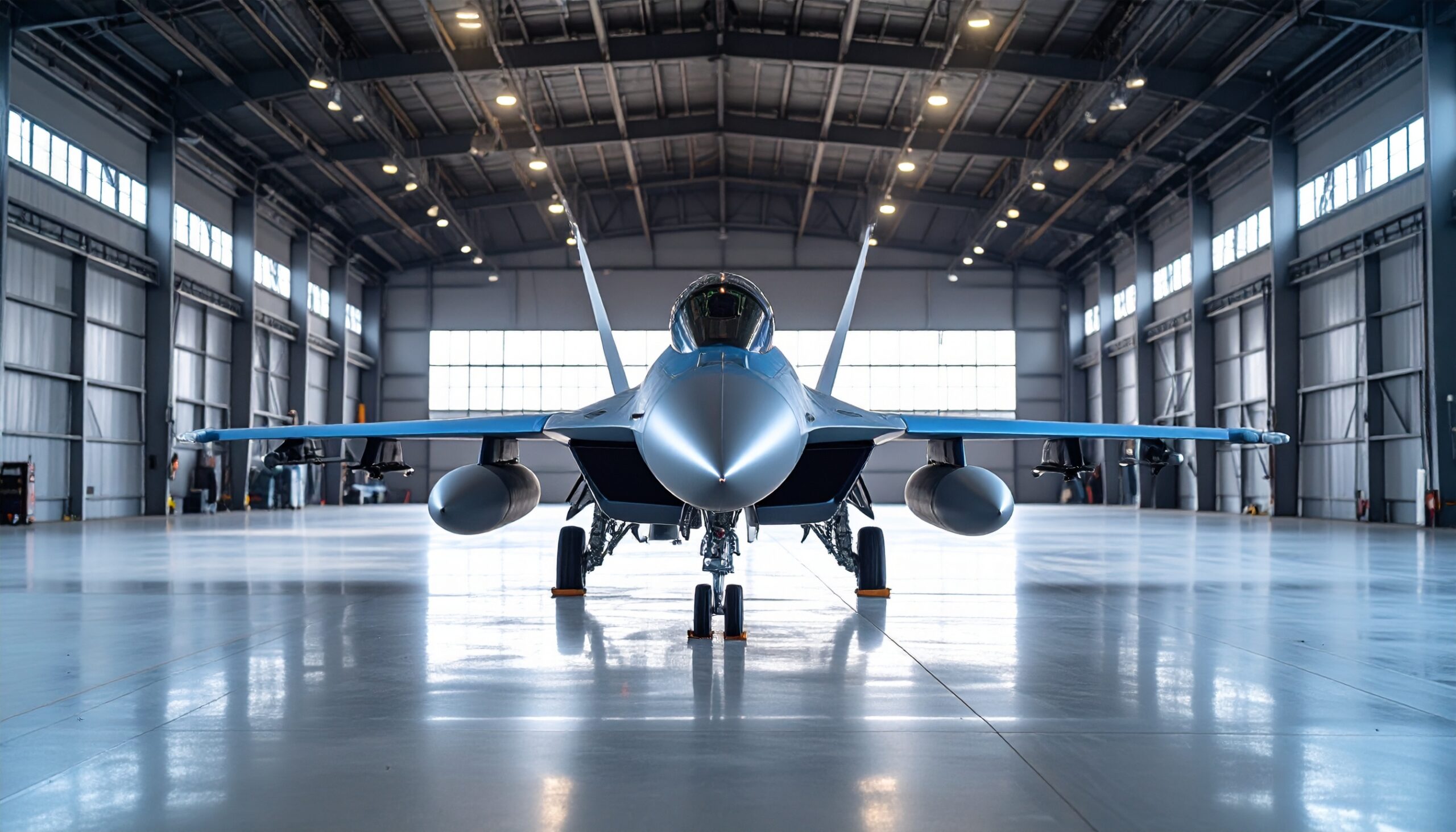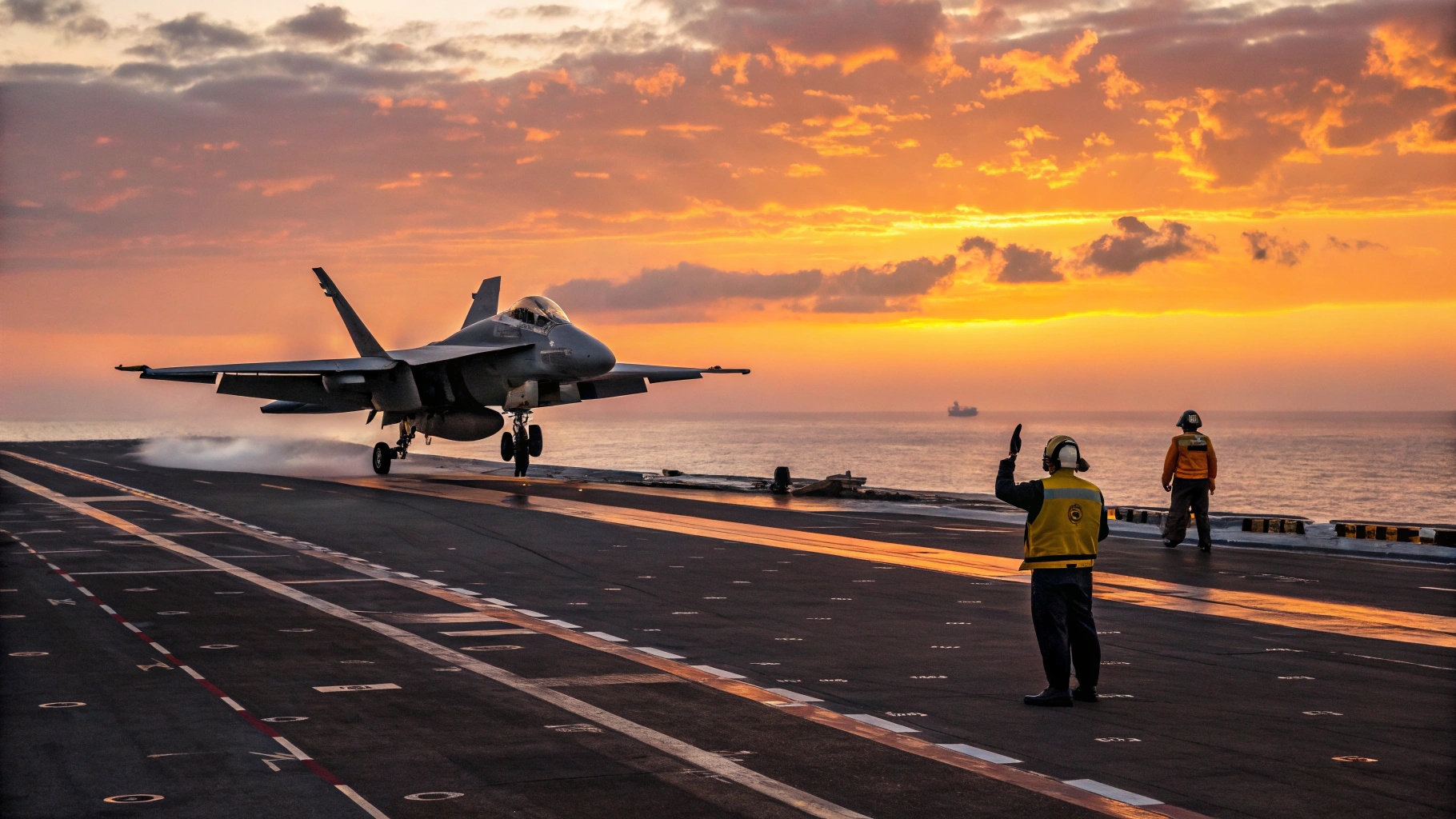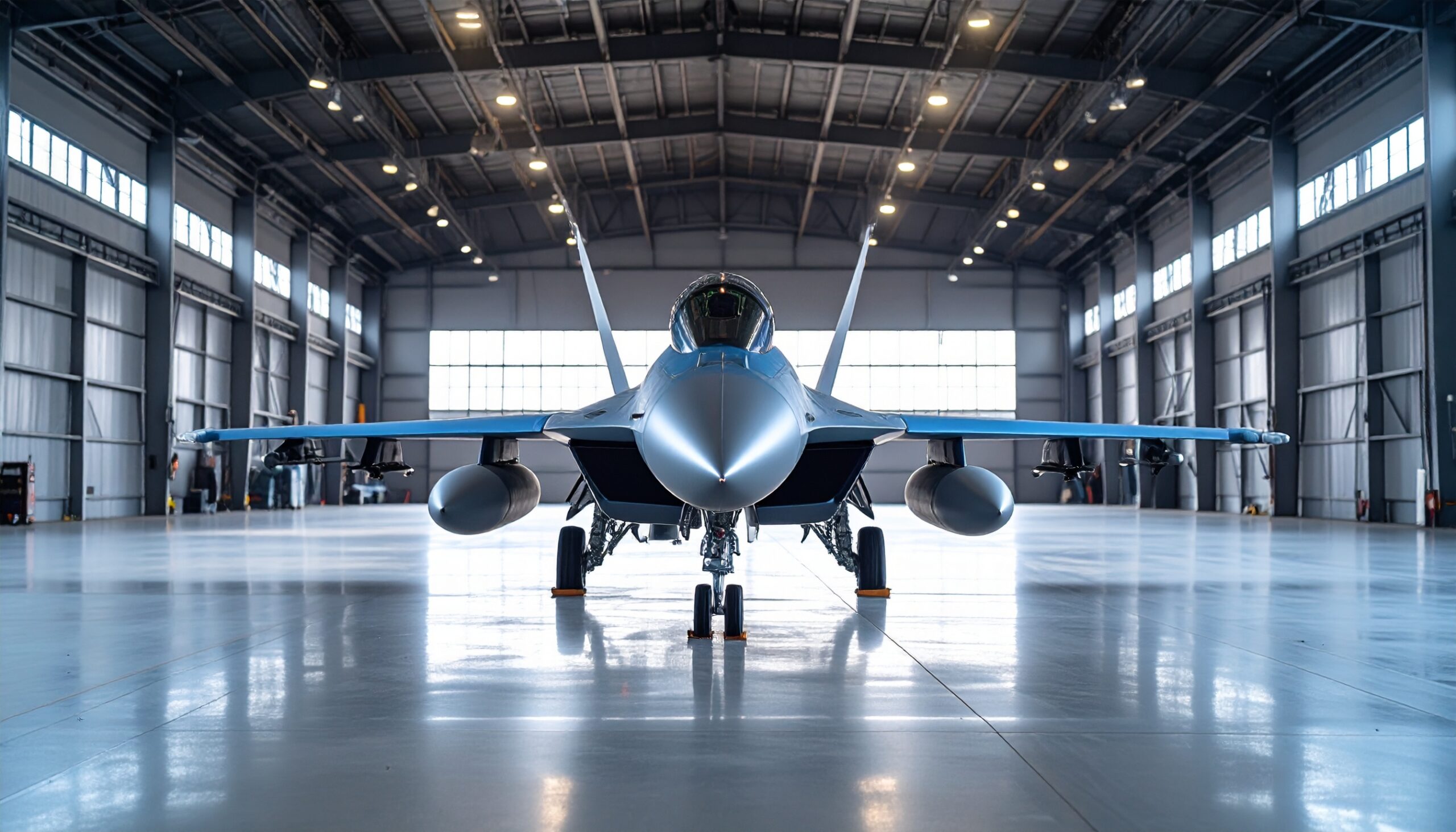
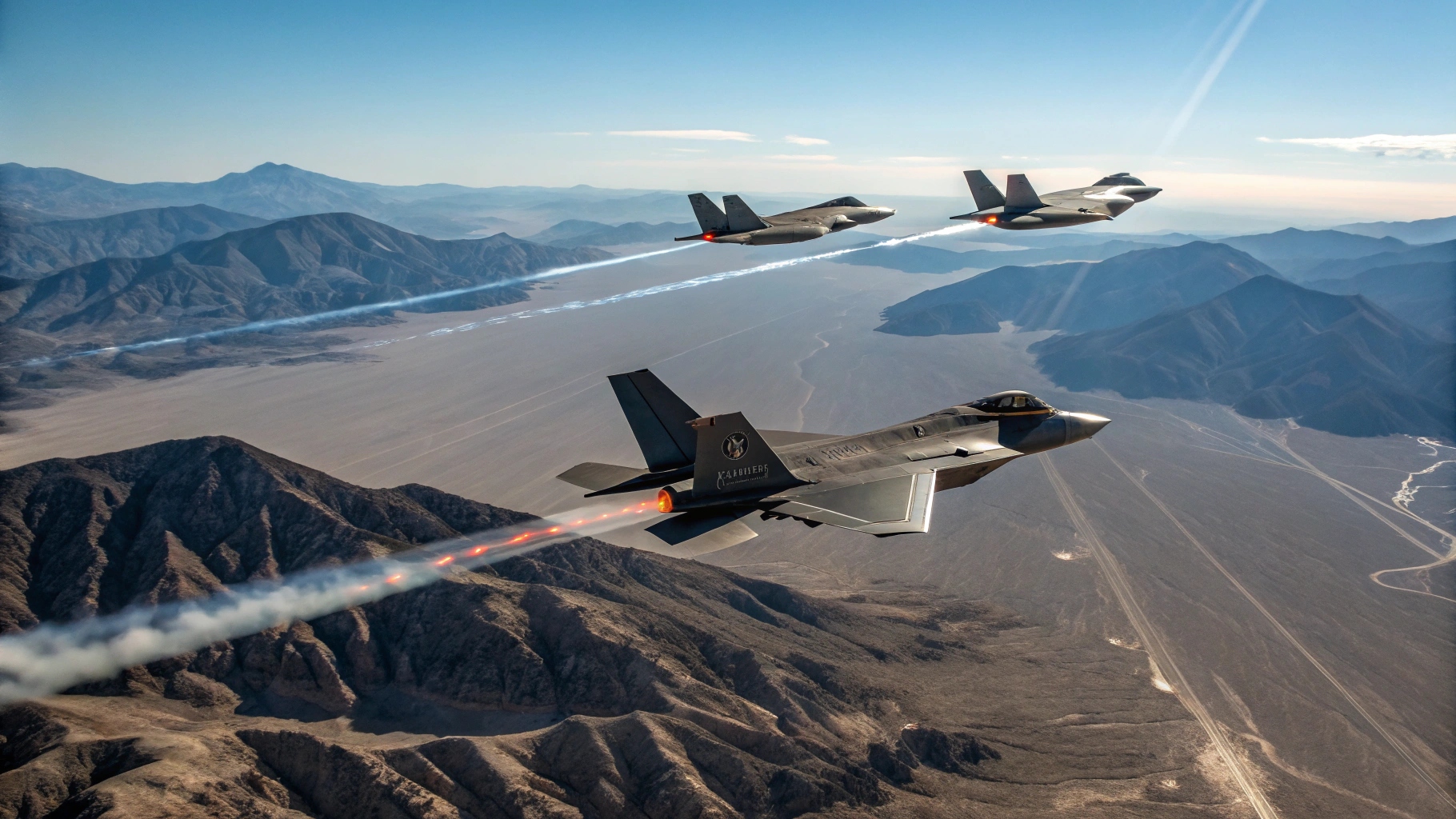
Stavatti Aerospace has unveiled a bold alternative concept for the US Navy’s Next Carrier Air Dominance (NCAD) program, introducing a high-speed fighter design intended to replace the F/A-18E/F Super Hornet beginning in the 2030s. The proposed aircraft, designated SM-39 Razor, is positioned as a next-generation carrier-capable platform emphasizing extreme speed, modularity, and advanced survivability.
The SM-39 Razor features a distinctive low-observable triple-fuselage configuration, a design choice aimed at reducing wave drag during sustained supersonic flight. According to Stavatti, the aircraft is capable of reaching Mach 4, with supercruise performance exceeding Mach 2.5, placing it among the fastest fighter concepts ever proposed for naval aviation.
Stavatti states that the aircraft is designed to integrate directed-energy weapons, including laser systems currently under development by Northrop Grumman. The platform will be offered in three variants—single-seat, tandem-seat, and fully autonomous—enabled by a modular cockpit architecture that supports both manned and unmanned operations. The central fuselage houses the primary avionics suite, including a Raytheon AESA radar, nose landing gear, and dual internal weapons bays.
Powering the SM-39 is a twin-engine propulsion system, combining advanced technologies from General Electric with Stavatti’s NeoThrust E1400 engine line. The unveiling follows the recent release of NCAD program assumptions, which outline a proposed fleet of at least 600 aircraft, each priced at approximately $85 million, for a total program value of around $51 billion. Deliveries are projected between 2031 and 2037, supported by 50 mission simulators. Stavatti has also outlined plans for a new US production facility capable of manufacturing up to 200 aircraft annually, sustaining roughly 1,600 skilled jobs over a 20-year period.