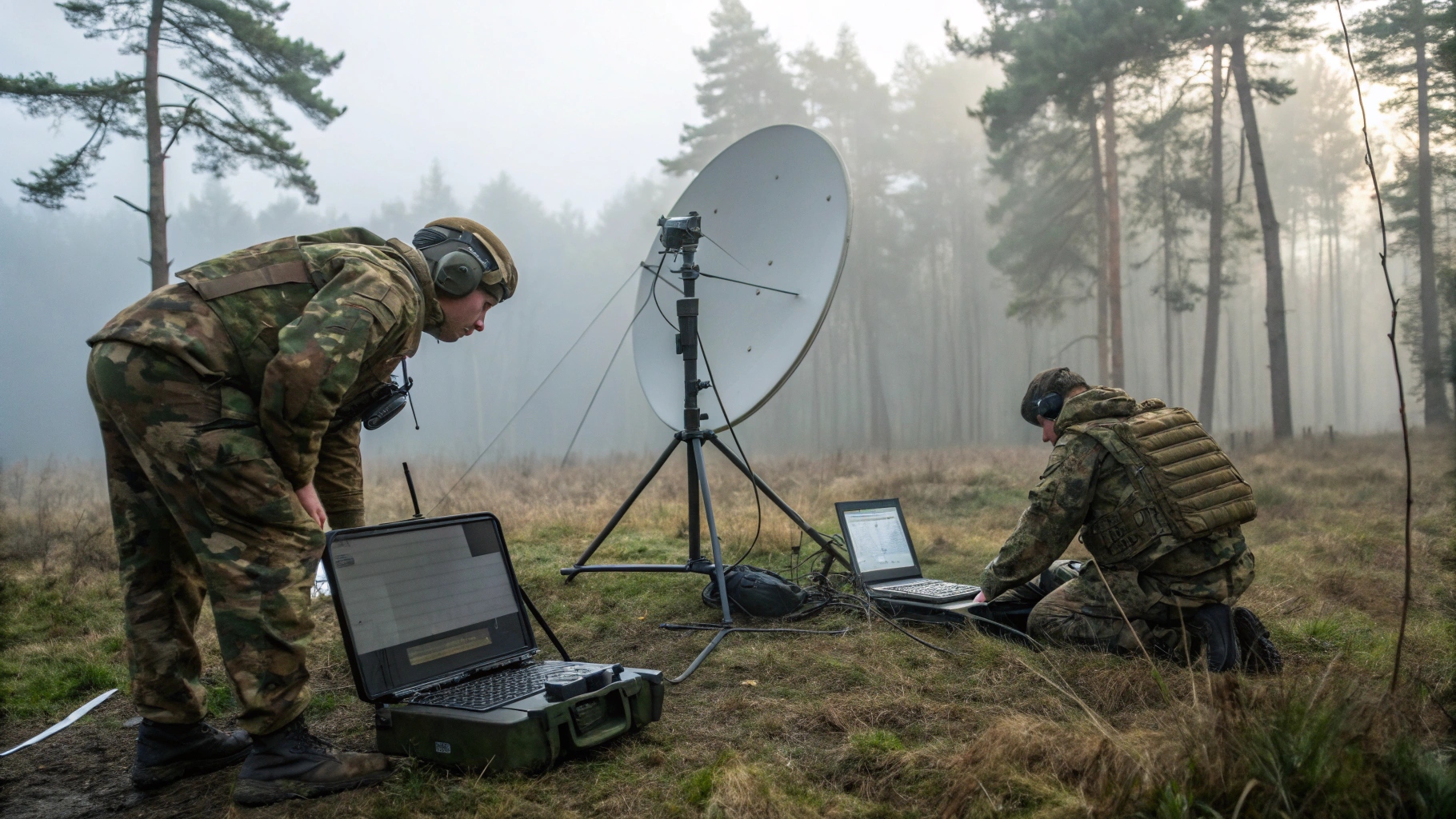

Researchers at Gdańsk University of Technology in Poland have unveiled a new counter-drone technology capable of disabling hostile unmanned aerial vehicles without using explosives or kinetic interceptors. Described as an “invisible shield,” the system offers a non-destructive and highly controlled method for protecting sensitive locations from unauthorized drone activity.
The system, known as STRATUS, operates by emitting short, high-intensity electromagnetic pulses designed to interfere with and disrupt the electronic components of enemy drones. These pulses can disable onboard systems, causing UAVs to lose functionality without generating debris or secondary damage typically associated with physical countermeasures.
According to the development team, STRATUS incorporates an advanced effector that allows operators to precisely adjust pulse strength and exposure. This ensures that voltages remain within safe limits, reducing risk to nearby personnel and preventing unintended effects on surrounding infrastructure or civilian electronics.
The technology is envisioned as a protective solution for critical infrastructure, including airports, power plants, military installations, and high-value public spaces. By offering a scalable, non-kinetic defense against drone threats, STRATUS could play a key role in enhancing airspace security amid the growing use of UAVs for surveillance, disruption, and attack.