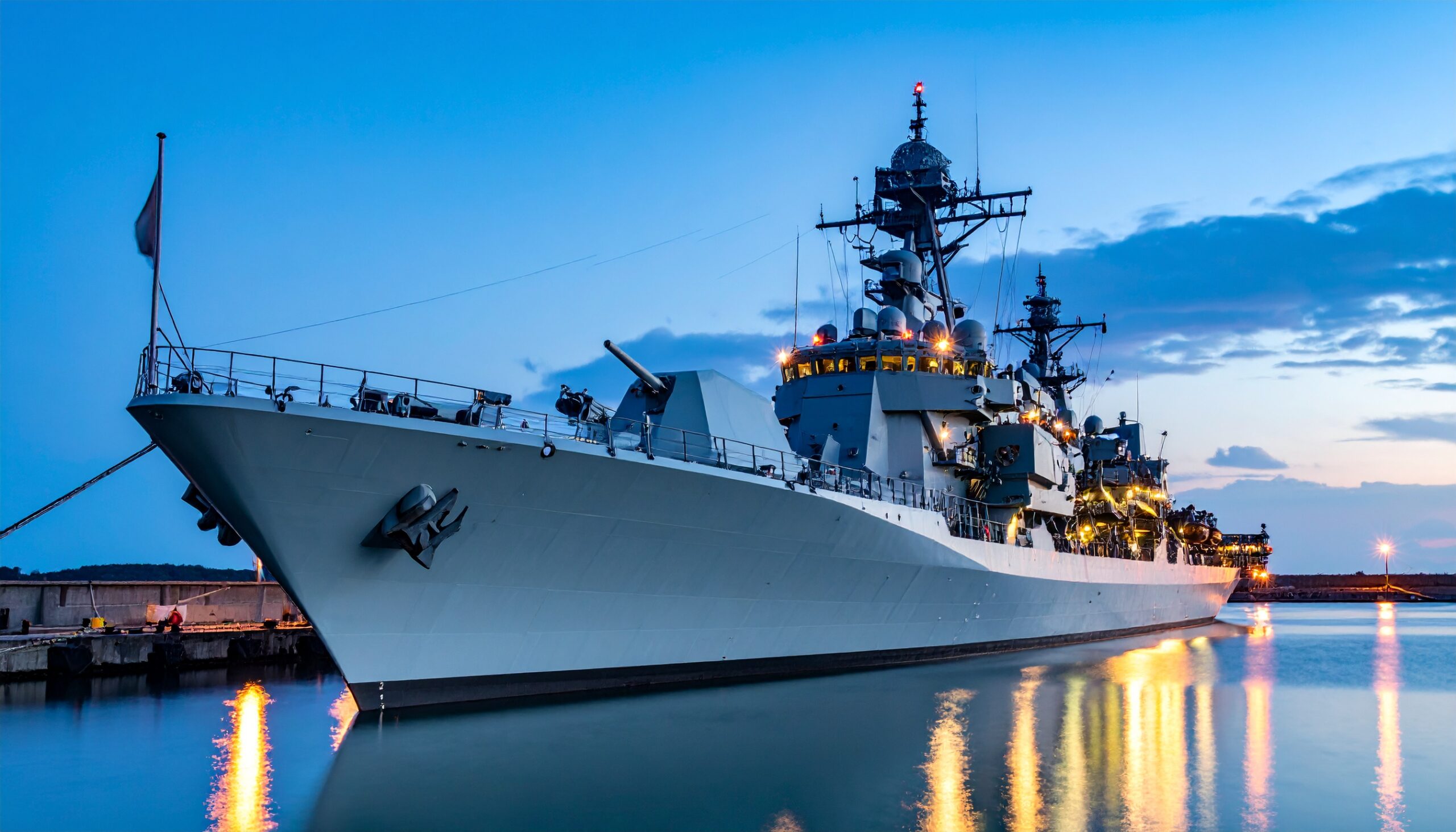
Spain’s Council of Ministers has officially approved a 3.2-billion-euro ($3.71 billion) mid-life upgrade program for the navy’s F100 Álvaro de Bazán-class frigates, ensuring their operational relevance through 2045. The modernization contract will be executed by Navantia, which built the five-ship class between 2002 and 2012. The shipbuilder will complete the effort within 120 months of the agreement’s signing.
The comprehensive upgrade aims to eliminate obsolescence, standardize systems across all five frigates, improve efficiency, and align the vessels with modern environmental standards. Spain expects the program to deliver significant economic benefits, generating an annual GDP impact of 215 million euros and sustaining roughly 3,500 jobs, including direct and indirect employment.
Designed as versatile escort ships, the F100s conduct anti-air, anti-surface, and anti-submarine warfare missions and play a critical role in naval force protection and power projection. Each frigate measures 146.7 meters in length with an 18.6-meter beam, displacing 5,900 tons standard and 6,594 tons fully loaded. Powered by LM2500 gas turbines paired with Caterpillar 3600 diesel engines, the class reaches 28 knots, offers a range of 4,500 nautical miles, and carries a crew of 201 personnel.
The Álvaro de Bazán-class was the first European warship series to integrate Lockheed Martin’s Aegis combat system, featuring the AN/SPY-1D radar and the MK 41 Vertical Launch System, capable of supporting multiple missile types. Current armaments include Harpoon anti-ship missiles, a MK 45 Mod 2 naval gun, and a Meroka 2B CIWS. As part of the modernization effort, Spain will replace the Harpoon systems with Naval Strike Missiles, significantly enhancing the frigates’ anti-ship capabilities.