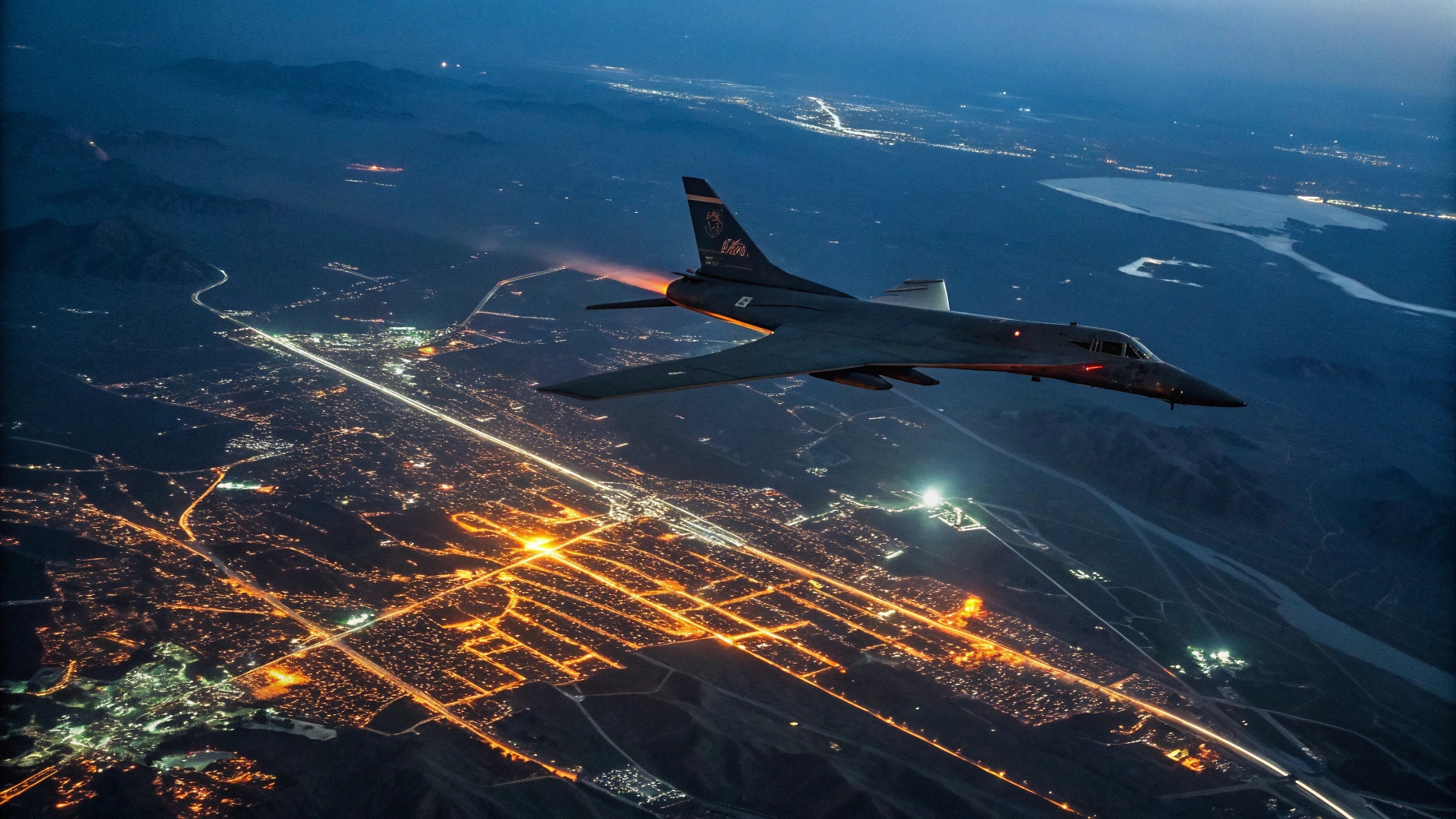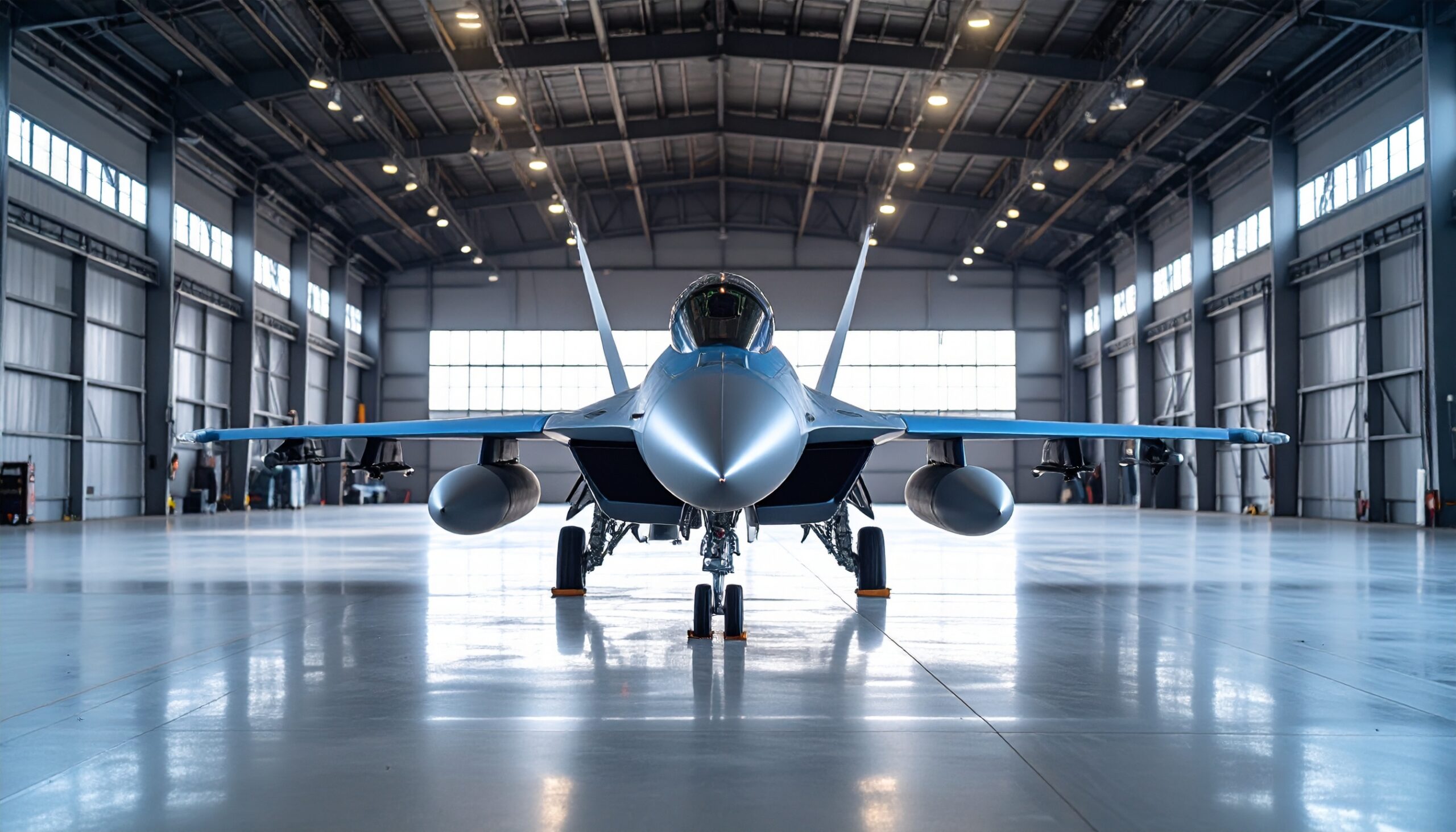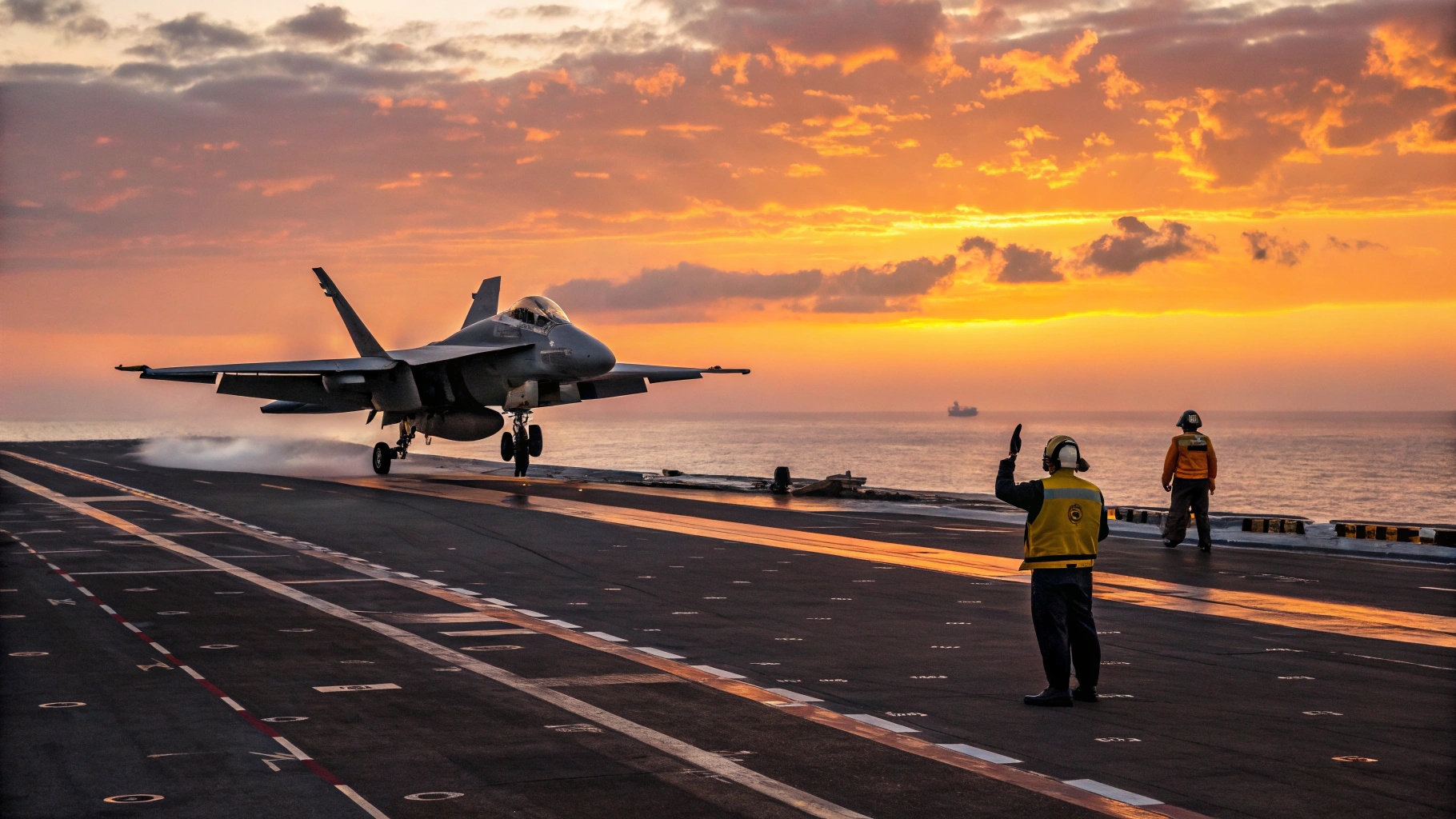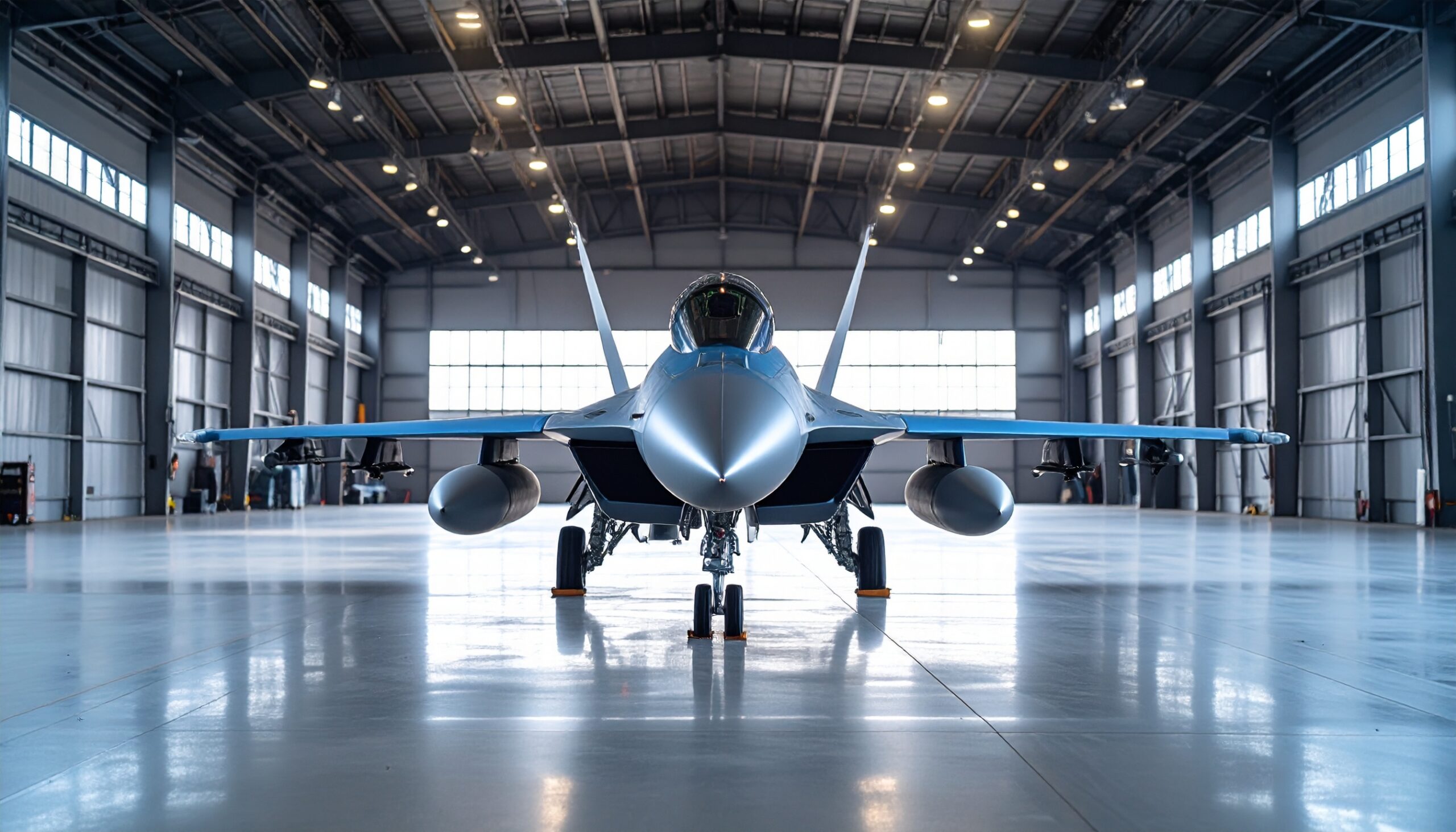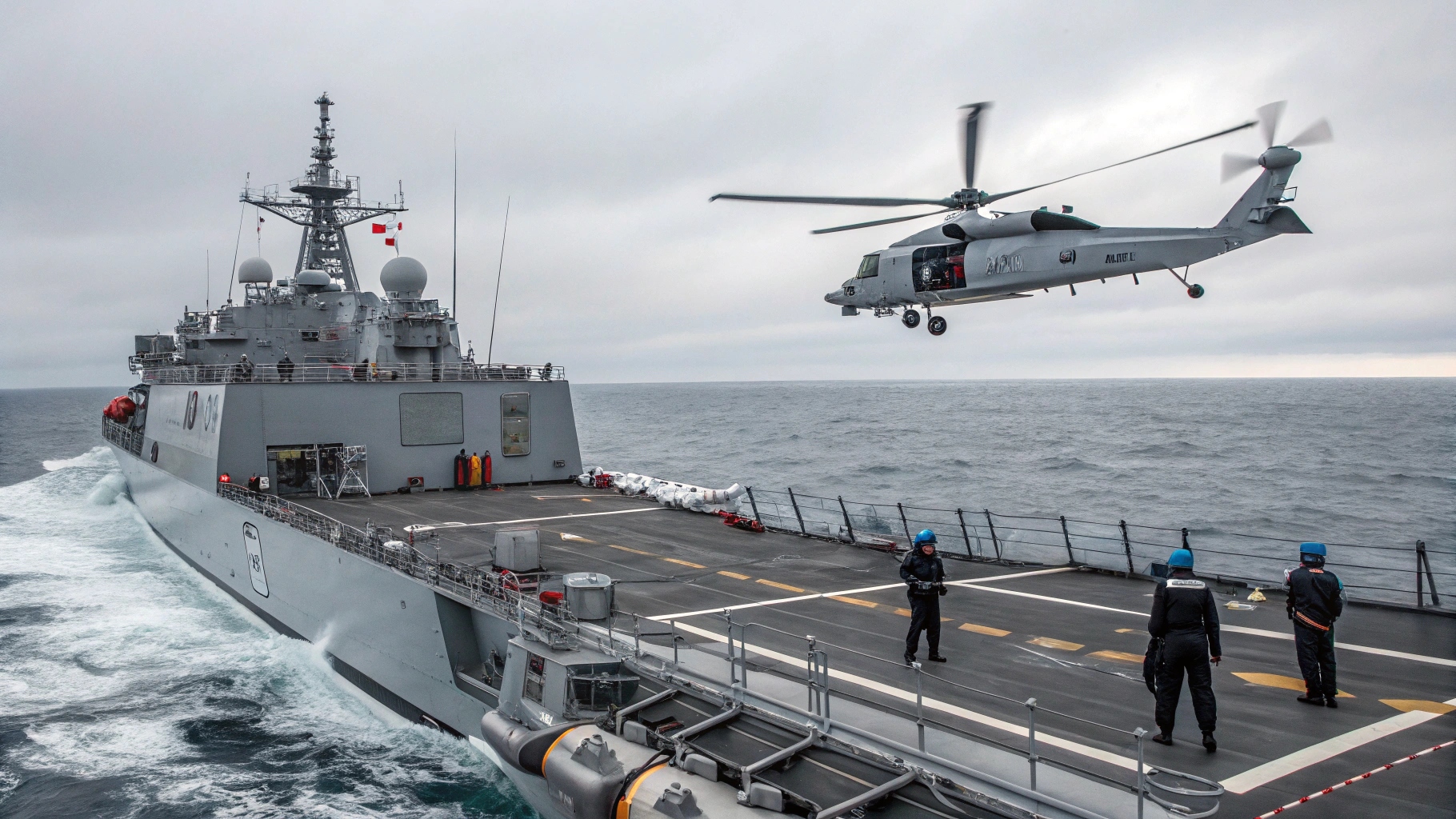
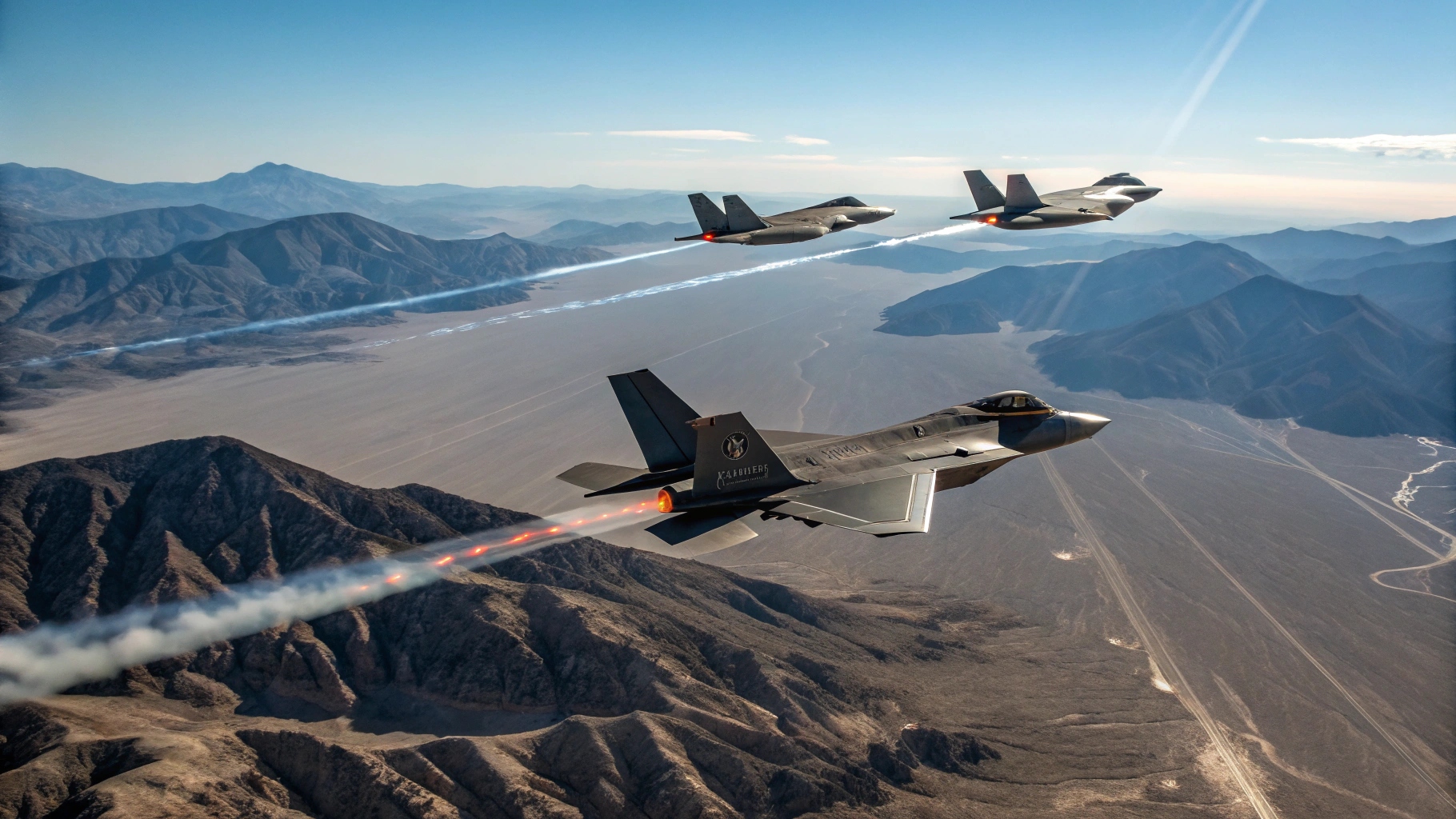
Stavatti Aerospace has released a detailed proposal promoting its SM-39 Razor as a contender for the U.S. Navy’s Next Carrier Air Dominance (NCAD) requirement, adding a bold independent concept to the evolving sixth-generation fighter discussion. Published in January 2026, the proposal outlines a notional acquisition of 600 aircraft at a projected flyaway cost of $85 million per unit, placing the total program value at approximately $51 billion. Stavatti envisions aircraft deliveries between 2031 and 2037, supported by a training ecosystem that includes 50 full-mission simulators. The announcement arrives as the Navy renews momentum behind its F/A-XX program amid budget scrutiny and growing pressure to accelerate carrier aviation modernization.
The SM-39 Razor concept is defined by aggressive performance goals and unconventional design choices. Company materials describe a low-observable triple-fuselage configuration intended to mitigate supersonic wave drag while enabling extreme speed performance. Stavatti claims the aircraft would be capable of sustained flight above Mach 4, with supercruise speeds exceeding Mach 2.5. Propulsion is proposed to rely on adaptive-cycle afterburning turbofan engines, either through Stavatti’s conceptual “NeoThrust” design or a powerplant comparable to current U.S. adaptive engine demonstrators. These systems are positioned to deliver improved fuel efficiency, thermal capacity, and electrical power generation to support advanced sensors and future mission systems.
Weapons integration forms the most defined aspect of the proposal. The SM-39 is planned to carry an internal 20 mm M61A2 Vulcan cannon with a 1,000-round magazine, complemented by two internal weapons bays. A forward bay measuring roughly 162 inches and rated for 5,000 pounds at 7.5 g is designed for air-to-air missiles or precision munitions, while a larger mid-fuselage bay rated at 12,000 pounds would accommodate a rotary launcher and heavier strike payloads. Illustrative loadouts suggest the aircraft could carry six beyond-visual-range missiles internally or multiple 2,000-pound-class guided bombs while maintaining low observability.
Beyond internal carriage, Stavatti also outlines four jettisonable external wing stations, each rated at 4,500 pounds, supporting anti-ship, anti-radiation, and standoff weapons, as well as external fuel tanks. The company cites a total design payload capacity of 25,000 pounds, integrated through standard digital weapons interfaces. Looking further ahead, Stavatti highlights potential provisions for directed-energy weapons, pointing to internal power and cooling margins that could enable high-energy laser integration once the technology matures for operational carrier aviation.