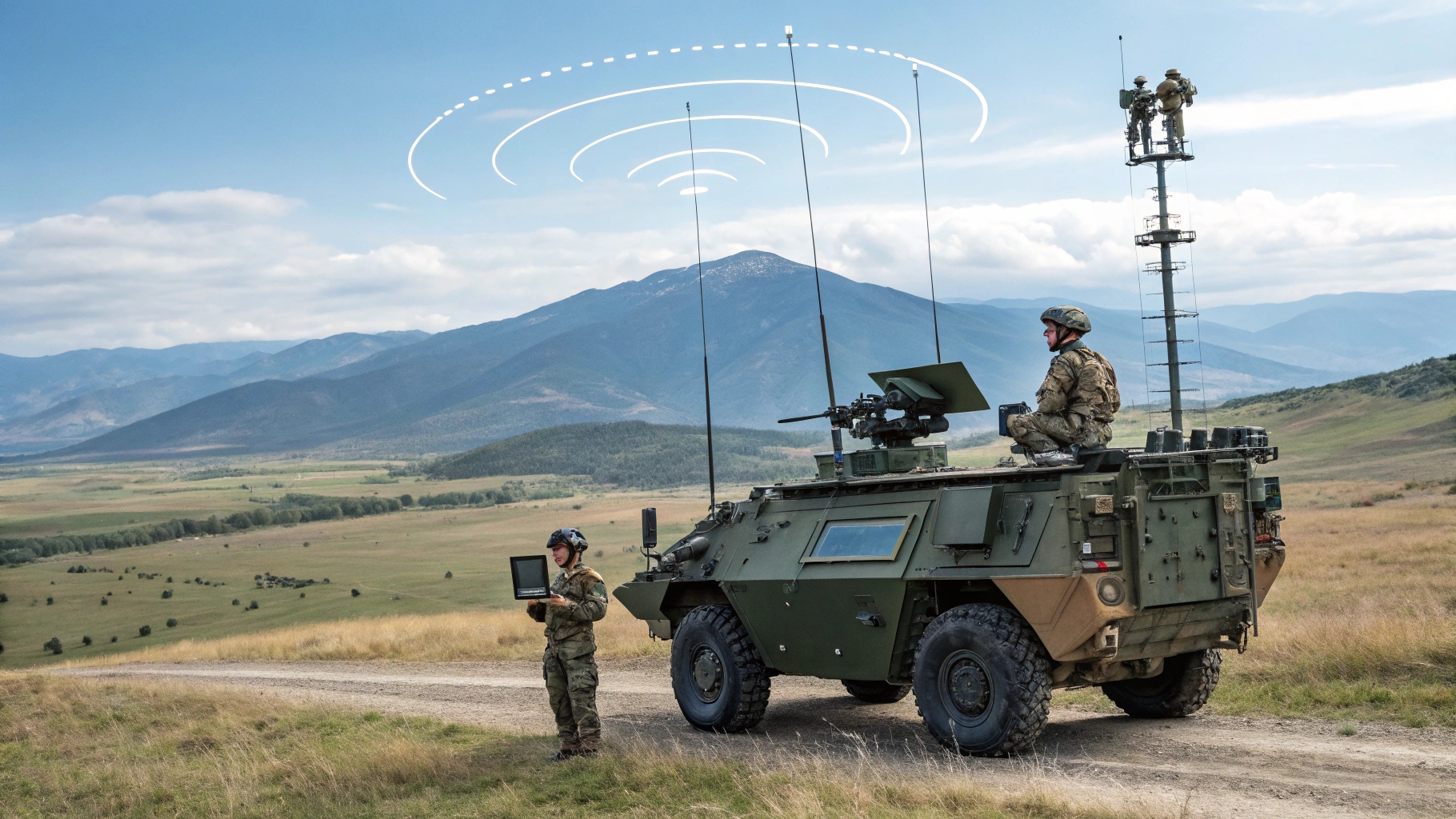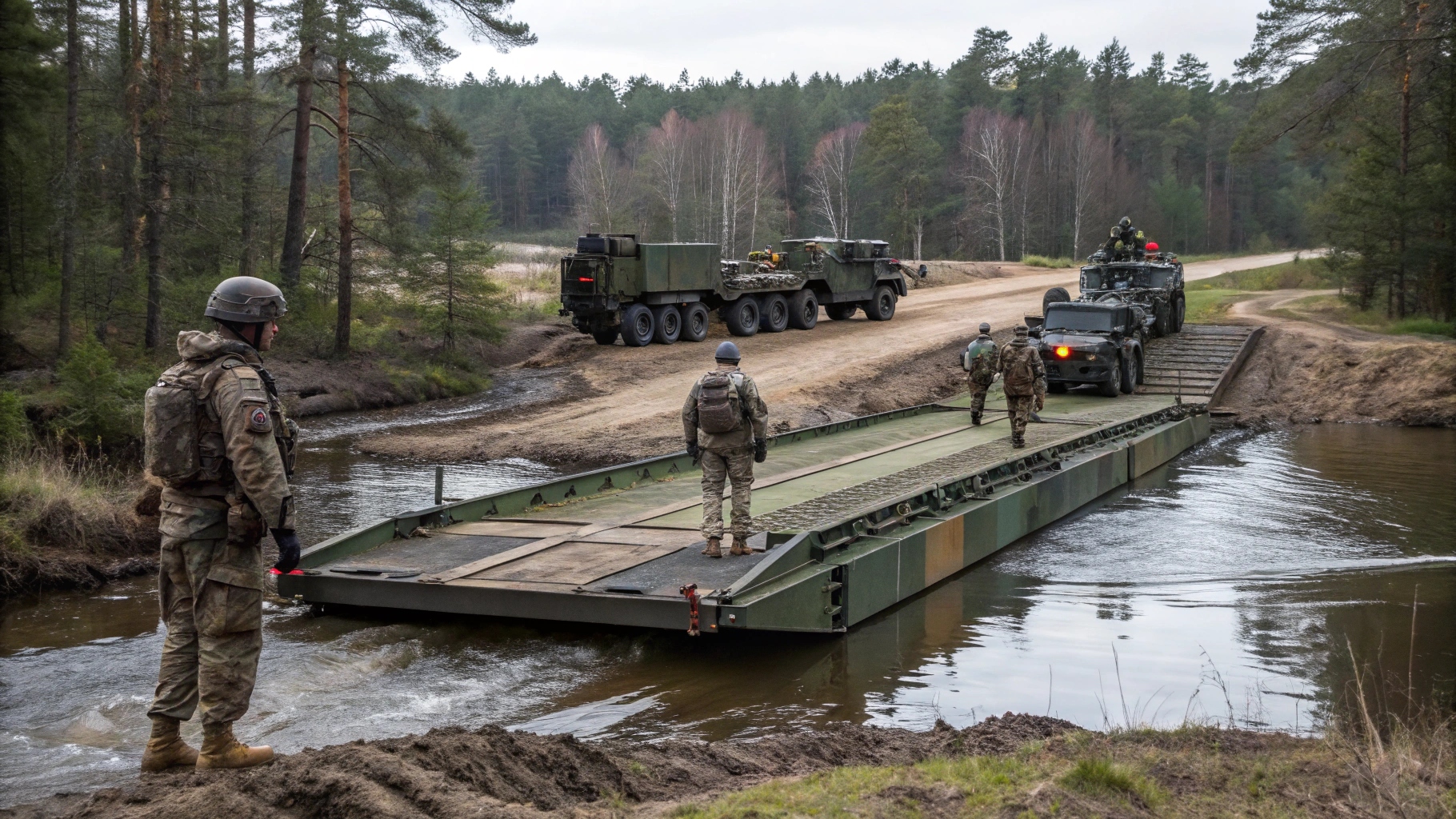
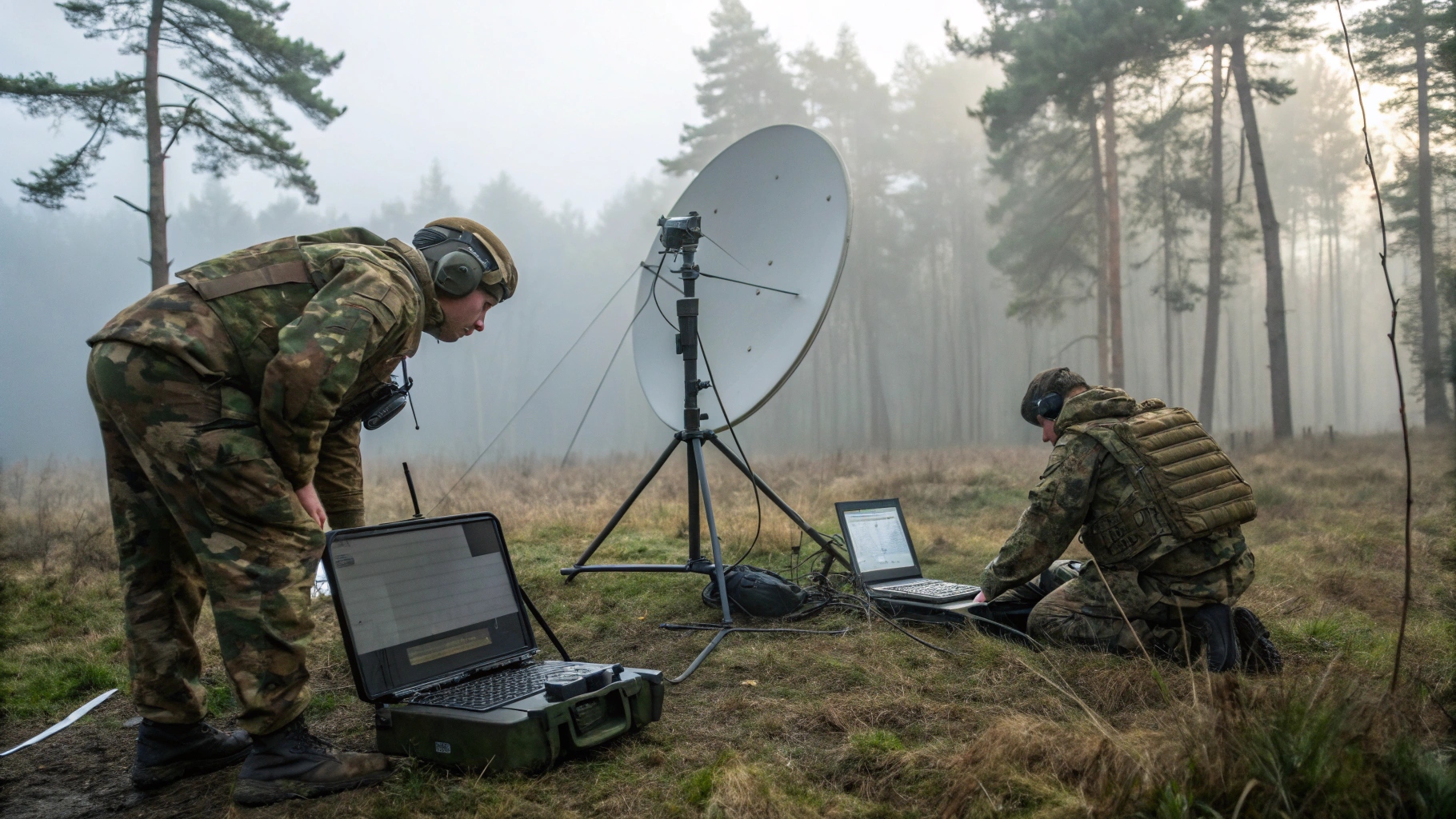
U.S. Army air defense specialists and technology developers convened at Truppenübungsplatz Putlos in northern Germany to assess a new generation of counter-drone systems in demanding field scenarios. The multiweek evaluation is an important step in shaping the Army’s evolving strategy to protect NATO forces from increasingly sophisticated unmanned aerial threats, which continue to expand across modern battlefields.
In November 2025, units from the 52nd Air Defense Artillery Brigade and the 10th Army Air and Missile Defense Command led a two-week trial involving prototype C-UAS sensors, interceptors, and software-driven detection tools. Army personnel described the event as a crucial opportunity to connect operational air defenders, acquisition officials, and industry engineers in a realistic testing environment. By recreating stress conditions similar to those seen near the Baltic region, commanders gained clearer insight into how next-generation counter-drone technologies respond under real tactical pressures.
The coastal training area at Putlos, situated along the Baltic Sea in Ostholstein, offered wide-open terrain and maritime airspace ideal for tracking live drone flights and conducting extended sensor trials. The event, known as Project FlyTrap 4.5, served as a classified field demonstration bringing together tactical operators, modernization teams, and select private-sector innovators. The trial showcased a new wave of American counter-UAS capabilities under a NATO-relevant operational framework, reflecting expanded regional security priorities.
A key achievement of FlyTrap 4.5 was the seamless integration of experimental systems into a functioning command-and-control network used by forward air defense units. Each participating prototype had to plug directly into the brigade’s operational architecture, which supports NATO’s Eastern Flank Deterrence Line. With assistance from V Corps and maneuver elements from the 2nd Cavalry Regiment, the exercise demonstrated near-term viability for layered defense operations and highlighted technologies likely to influence future procurement decisions.