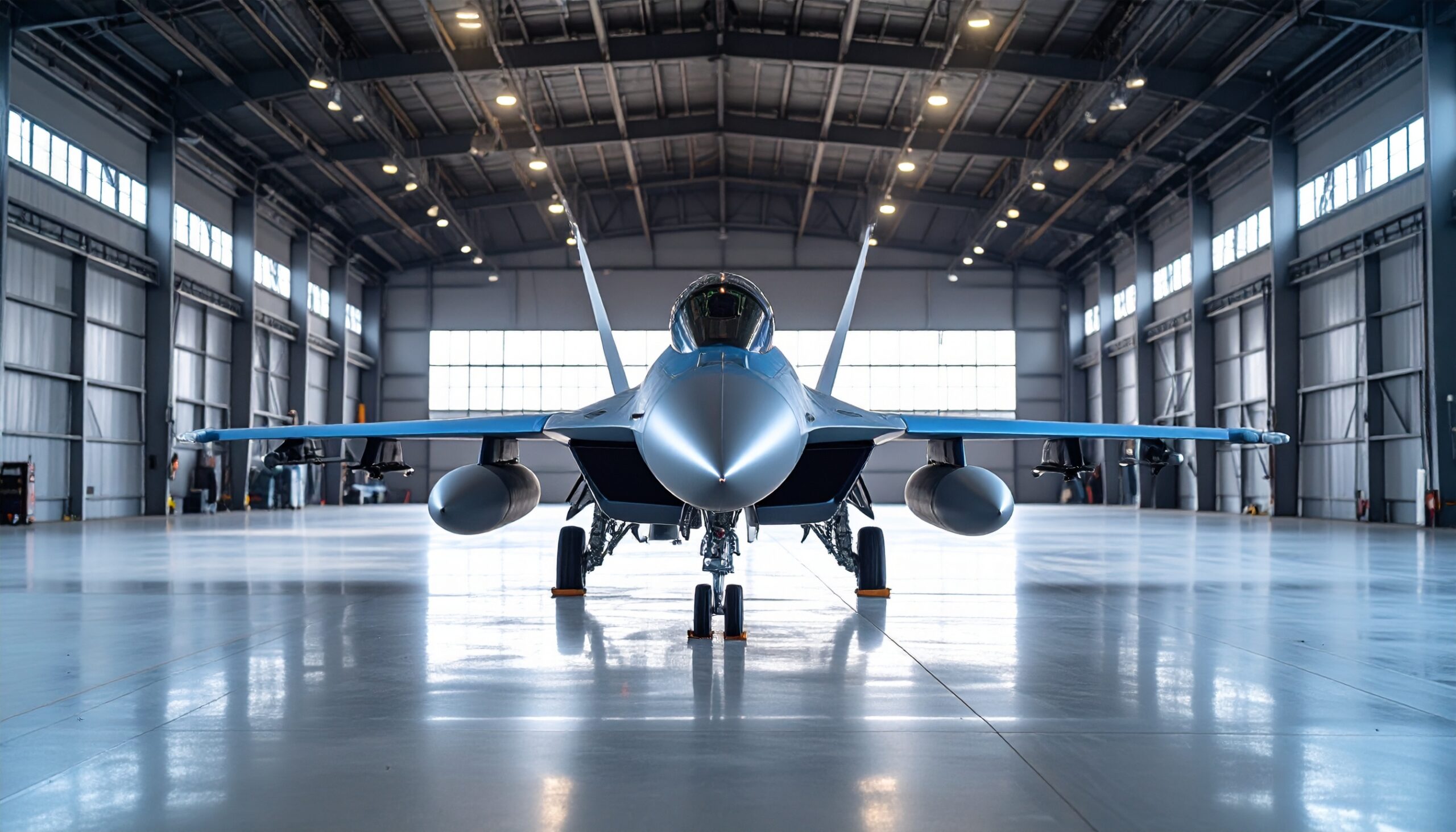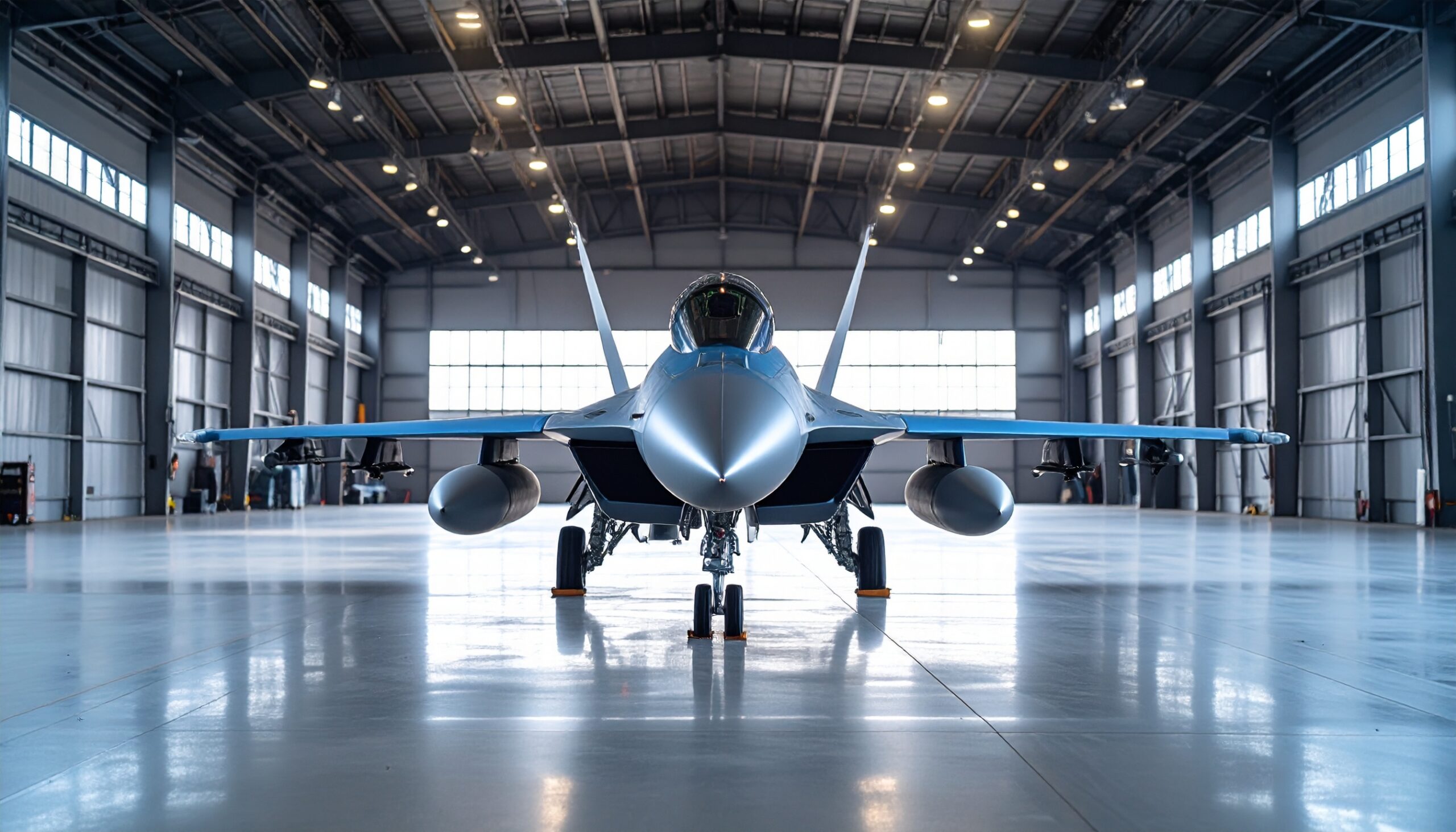
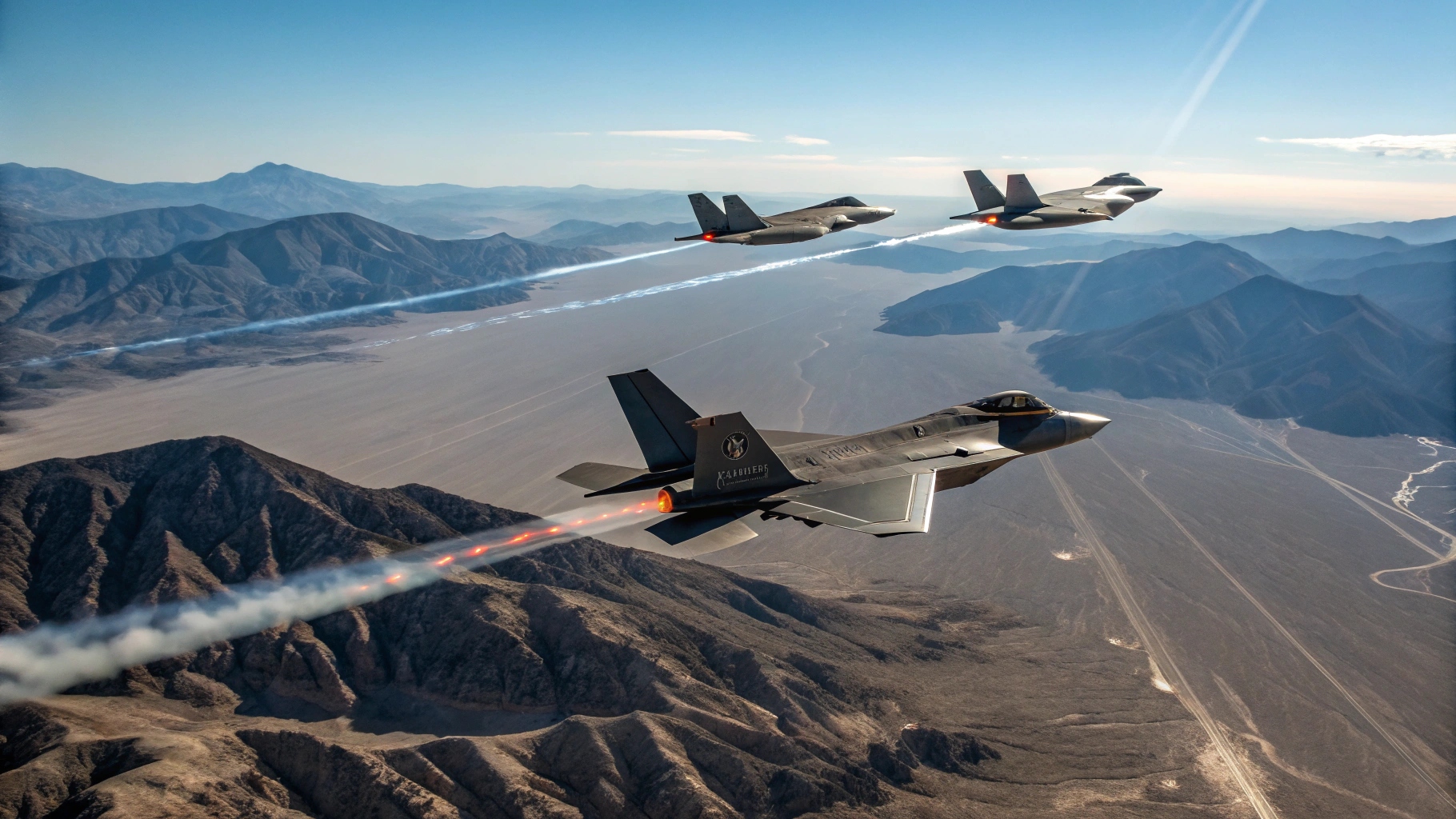
The U.S. Air Force has officially brought its first T-7A Red Hawk advanced jet trainer into operational service, marking a major milestone in the modernization of military pilot training. The aircraft was formally inducted during an arrival ceremony at Joint Base San Antonio–Randolph, Texas, signaling the start of a new, digitally driven training era designed to meet the demands of modern air combat.
According to the U.S. Air Education and Training Command, the induction reflects a strategic shift away from aging Cold War-era platforms toward a training system built around digital integration and data-intensive operations. Boeing, the program’s prime contractor, confirmed the delivery through its official channels, underscoring the Red Hawk’s role in preparing pilots for fifth-generation fighters, advanced bombers, and future sixth-generation aircraft.
For more than 60 years, the T-38 Talon served as the backbone of advanced pilot training, focusing primarily on basic jet handling within an analog cockpit environment. While the aircraft received multiple upgrades and service-life extensions, it was never designed to replicate the sensor fusion, networked decision-making, and mission-system management that define modern combat aviation. As operational aircraft evolved, the Air Force increasingly relied on simulators to bridge the widening gap between training and frontline realities.
The T-7A Red Hawk is intended to close that gap at its foundation. Initially assigned to the 99th Flying Training Squadron under the 12th Flying Training Wing, the aircraft will gradually replace the T-38 across the training enterprise. Designed from inception as a digital training platform, the Red Hawk features advanced cockpit displays, modern hands-on throttle-and-stick controls, and adaptable flight characteristics that allow instructors to better prepare pilots for the cognitive and operational demands of contemporary air warfare.