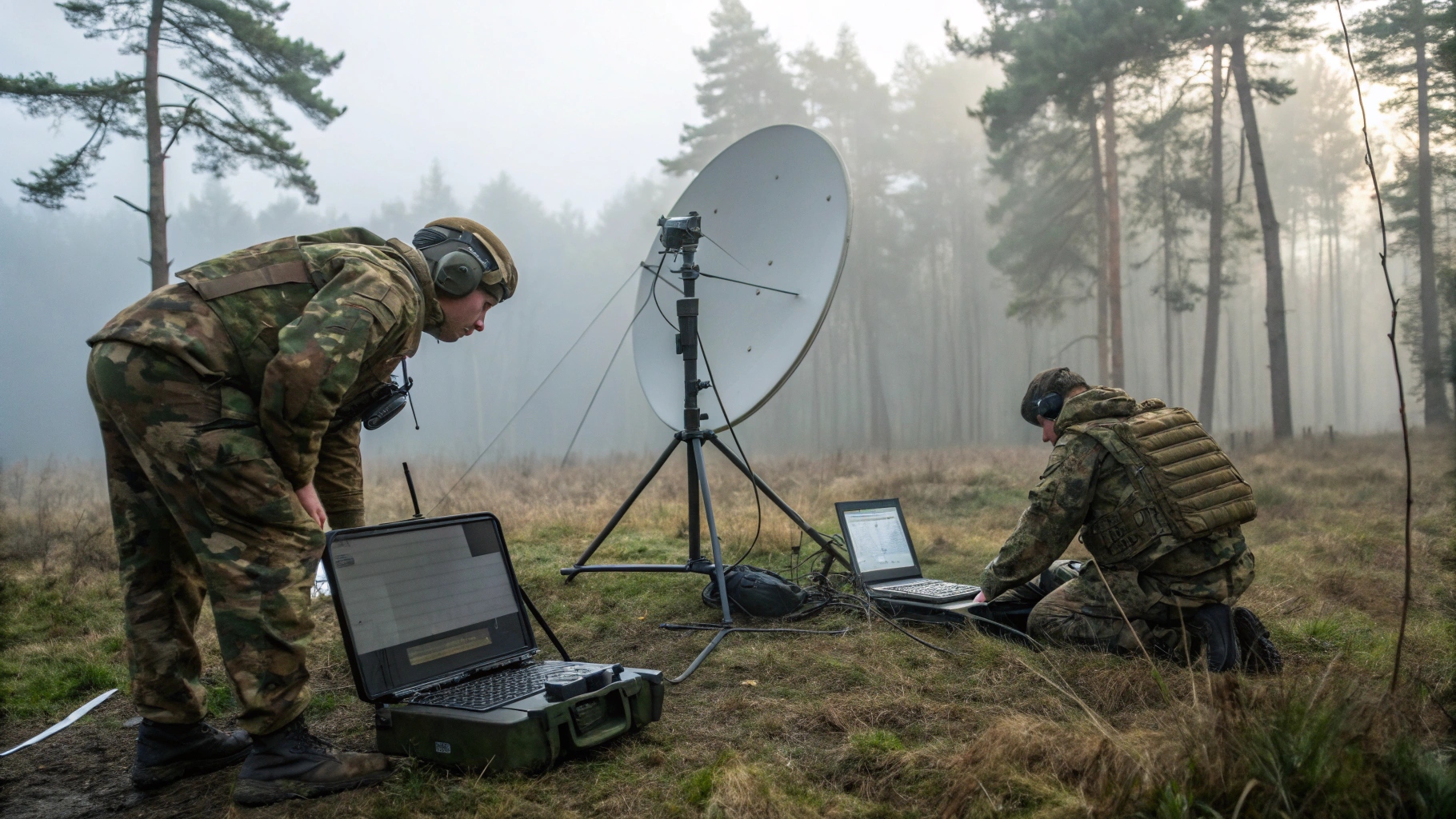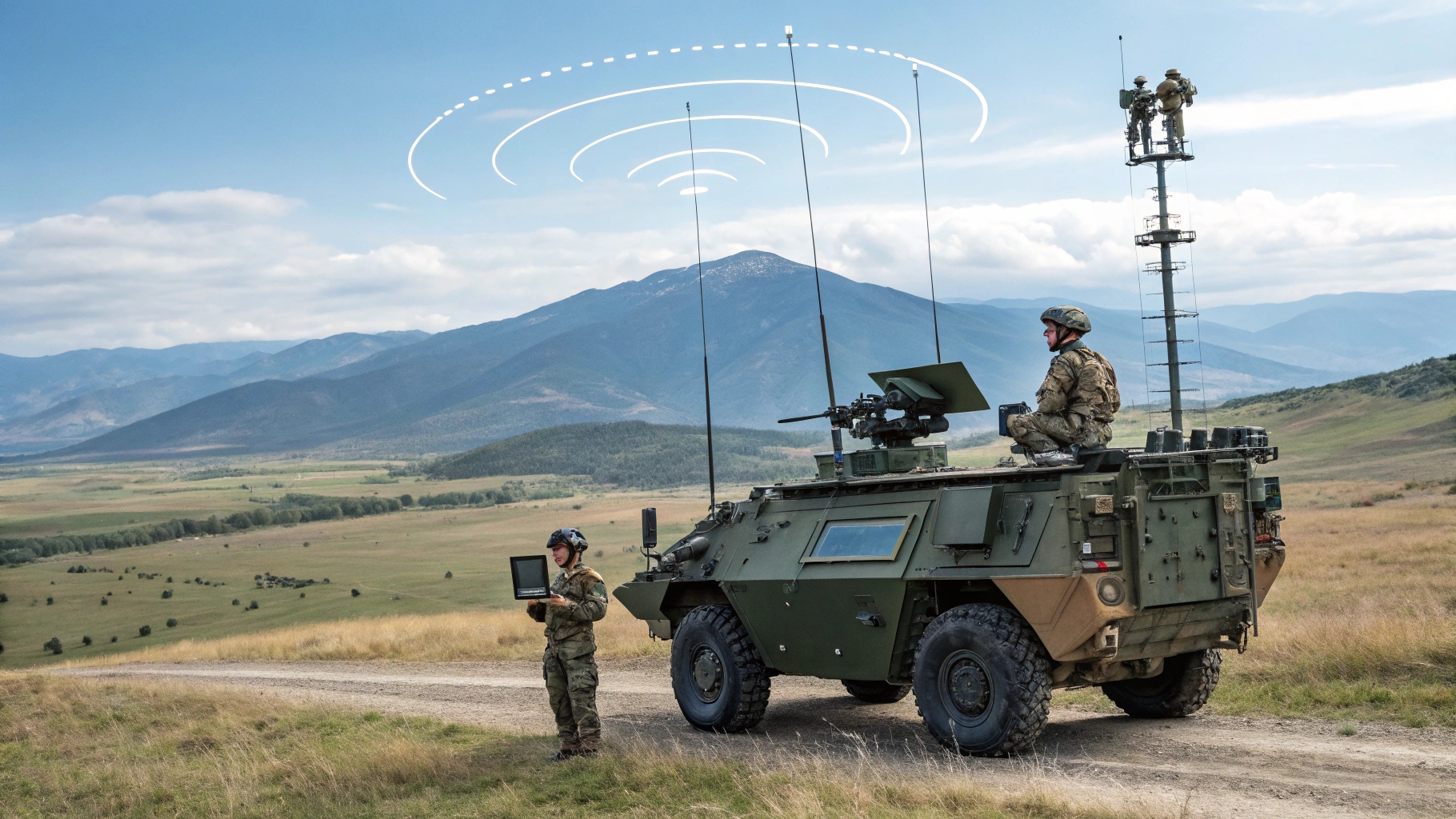

The US Army has received the first of 19 Sentinel A4 air and missile defense radars from Lockheed Martin under the program’s low-rate initial production (LRIP) 2 phase. The delivery marks a key milestone in the Army’s effort to modernize its short-range air defense and surveillance capabilities against evolving aerial threats.
Approved in August 2023, the LRIP 2 contract positions the Sentinel A4 to replace the currently deployed Sentinel A3 radar. The new system is designed to integrate seamlessly into the Army’s Integrated Air and Missile Defense Battle Command System (IBCS) as well as the Indirect Fire Protection Capability, strengthening the service’s layered air defense architecture.
The handover follows the successful completion of the first phase of Initial Operational Test and Evaluation. During this phase, the Sentinel A4 was integrated with the Forward Area Air Defense Command and Control (FAAD-C2) system, bringing the program closer to full-rate production. While several performance details remain classified, the radar is known to provide highly accurate tracking data to both IBCS and FAAD-C2, enabling commanders to rapidly determine the most effective engagement options.
Featuring an open-architecture design, the Sentinel A4 uses a 360-degree gallium nitride (GaN)-based active electronically scanned array sensor. It is capable of detecting and tracking a wide range of threats, including missiles, drones, helicopters, aircraft, rockets, artillery, and mortars. The radar can operate from fixed locations or move alongside maneuver forces and is built to perform in harsh terrain and electronically contested environments, while also interfacing with systems such as NASAMS, Aegis, and NORAD.