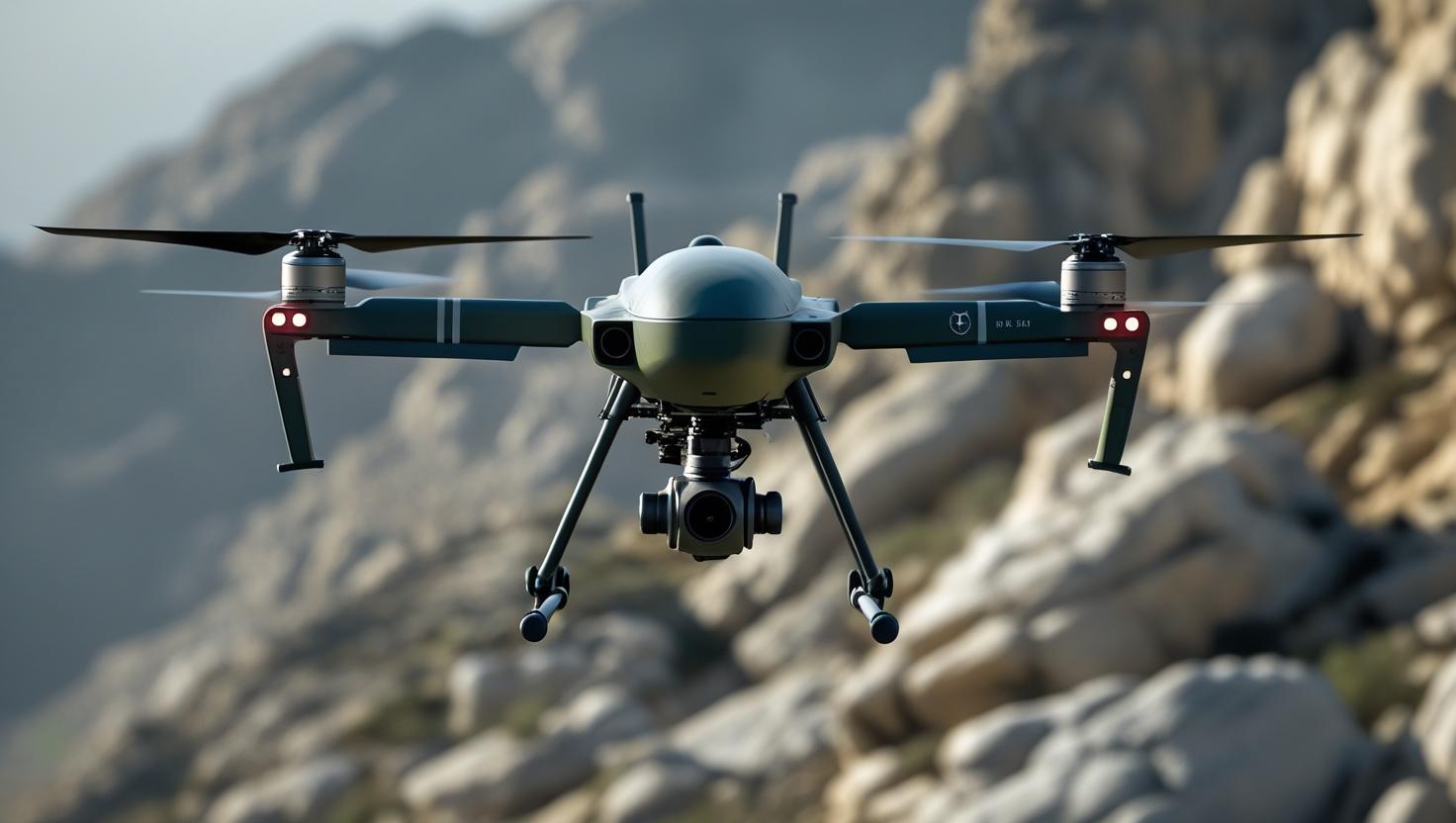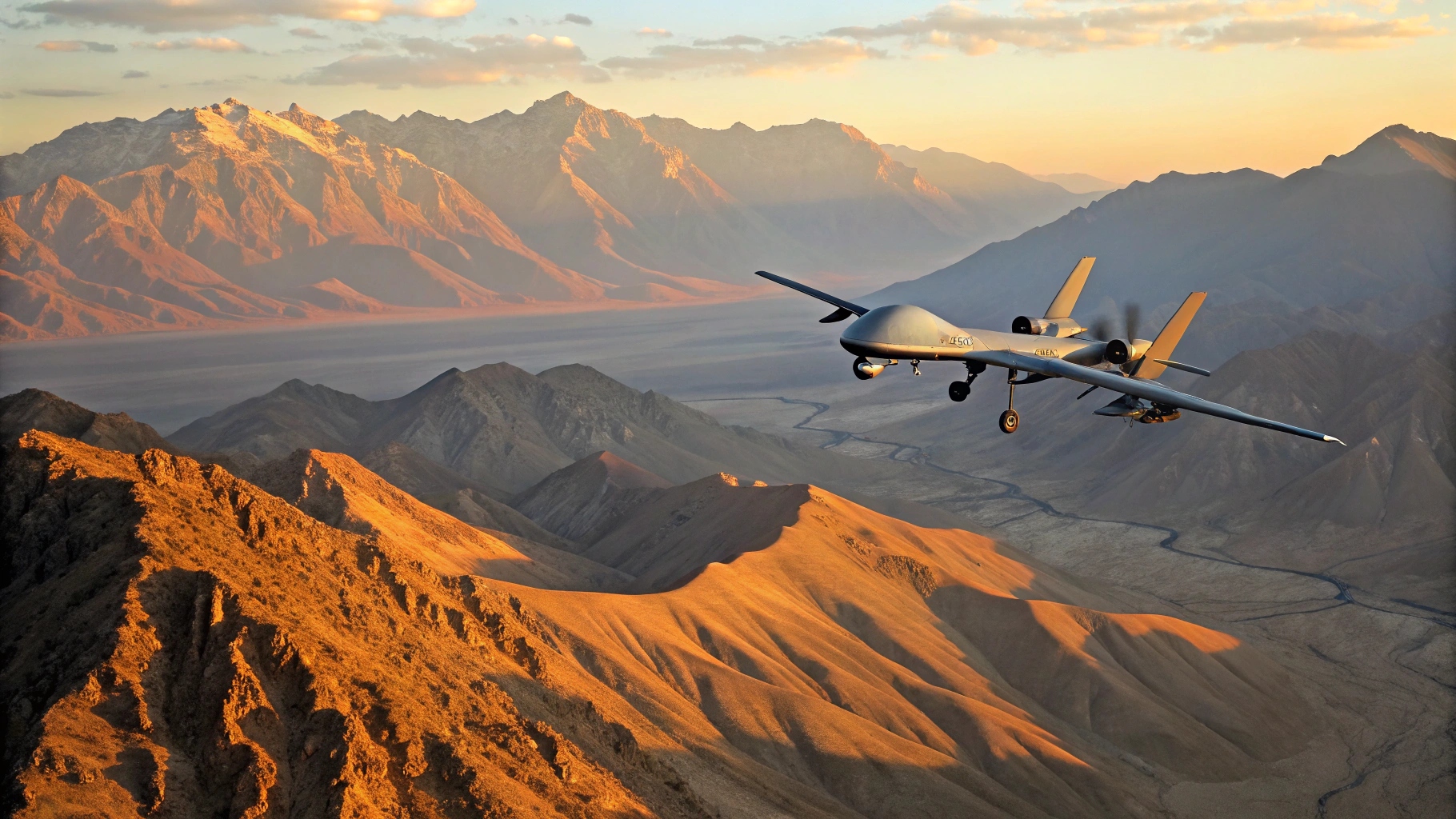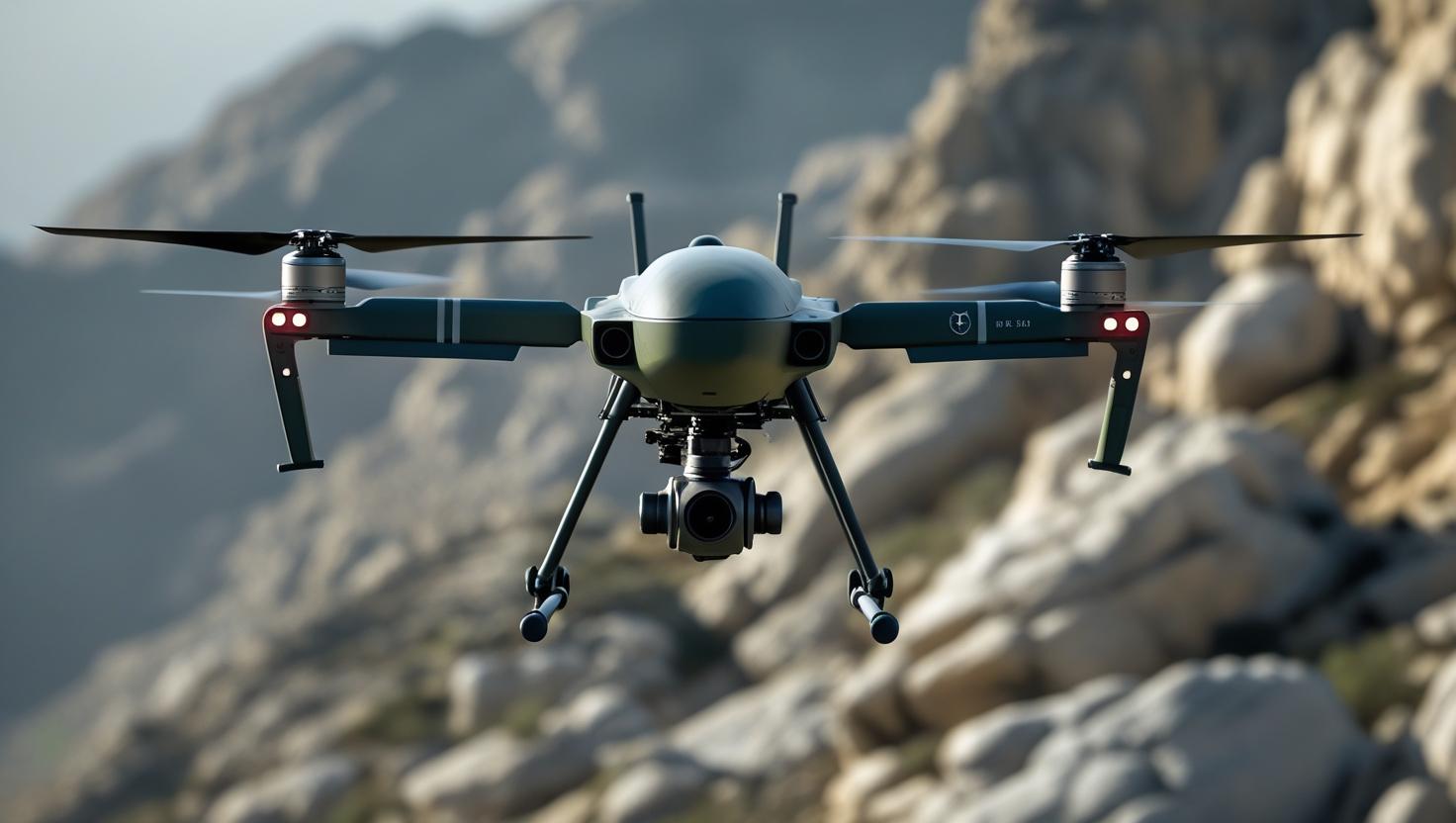
Skyeton is revolutionizing the Raybird unmanned aerial vehicle (UAV) with a hydrogen fuel cell-powered electric motor, enhancing endurance, stealth, and operational versatility. The upgrade replaces the original internal combustion engine, allowing for significantly longer flight times while reducing acoustic and thermal signatures.
The hydrogen-electric propulsion system enables the Raybird UAV to remain airborne for approximately 12 hours on a single mission, with engineers targeting up to 20 hours of continuous flight in future iterations. This extended endurance provides operational advantages for intelligence, surveillance, reconnaissance (ISR), and long-range observation missions where persistent aerial presence is critical.
The aircraft’s near-silent operation, combined with low heat generation, enhances its ability to conduct covert surveillance and high-altitude missions with reduced detectability. These characteristics make the Raybird particularly effective in scenarios where stealth and discretion are essential, including border monitoring, maritime patrol, and tactical reconnaissance.
Skyeton’s innovation highlights the growing trend in UAV design toward sustainable, long-endurance electric propulsion systems. By integrating hydrogen fuel cells, the Raybird demonstrates how next-generation drones can achieve longer flight times, minimize operational signatures, and support a wider range of military, security, and civilian applications.