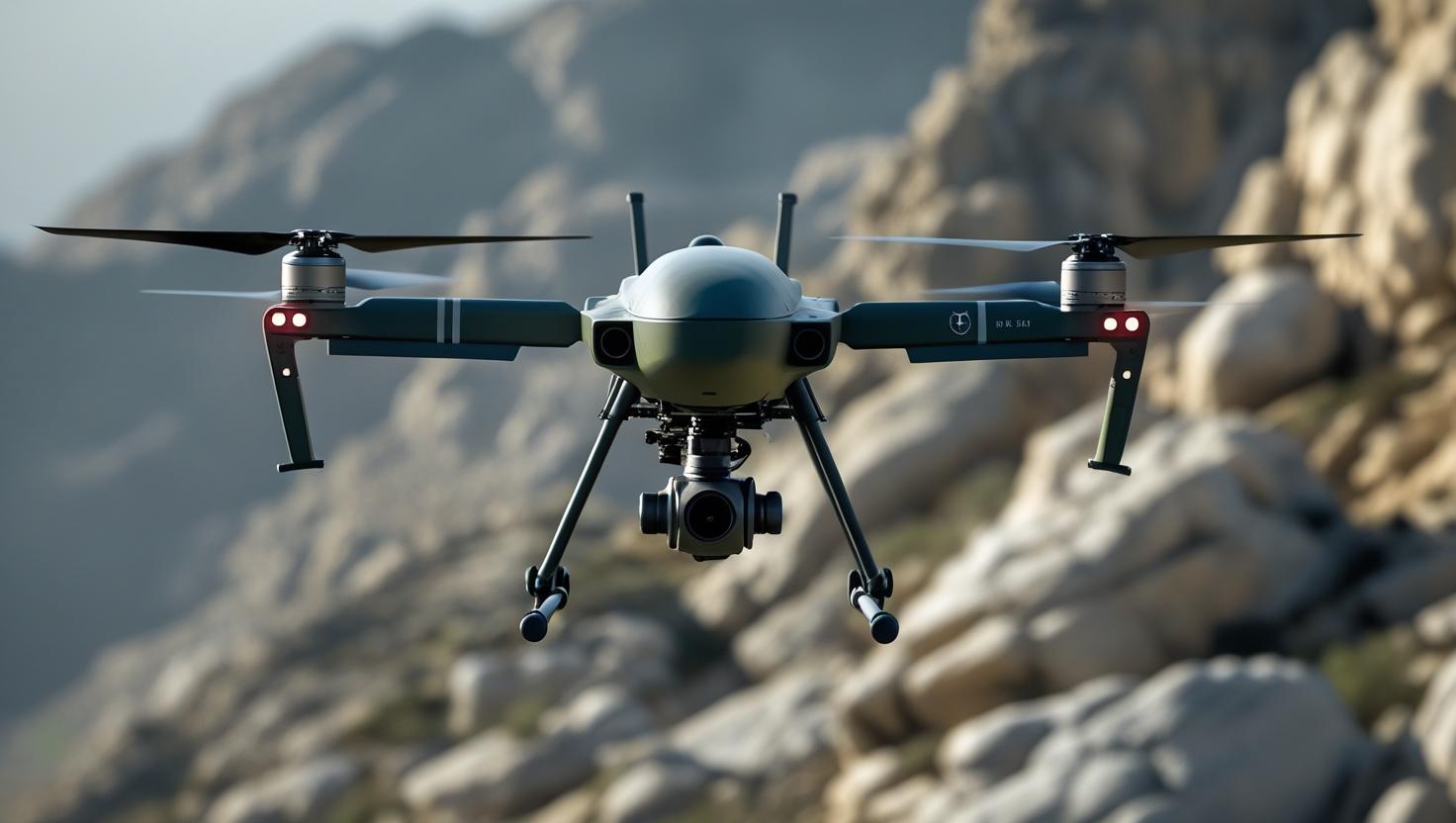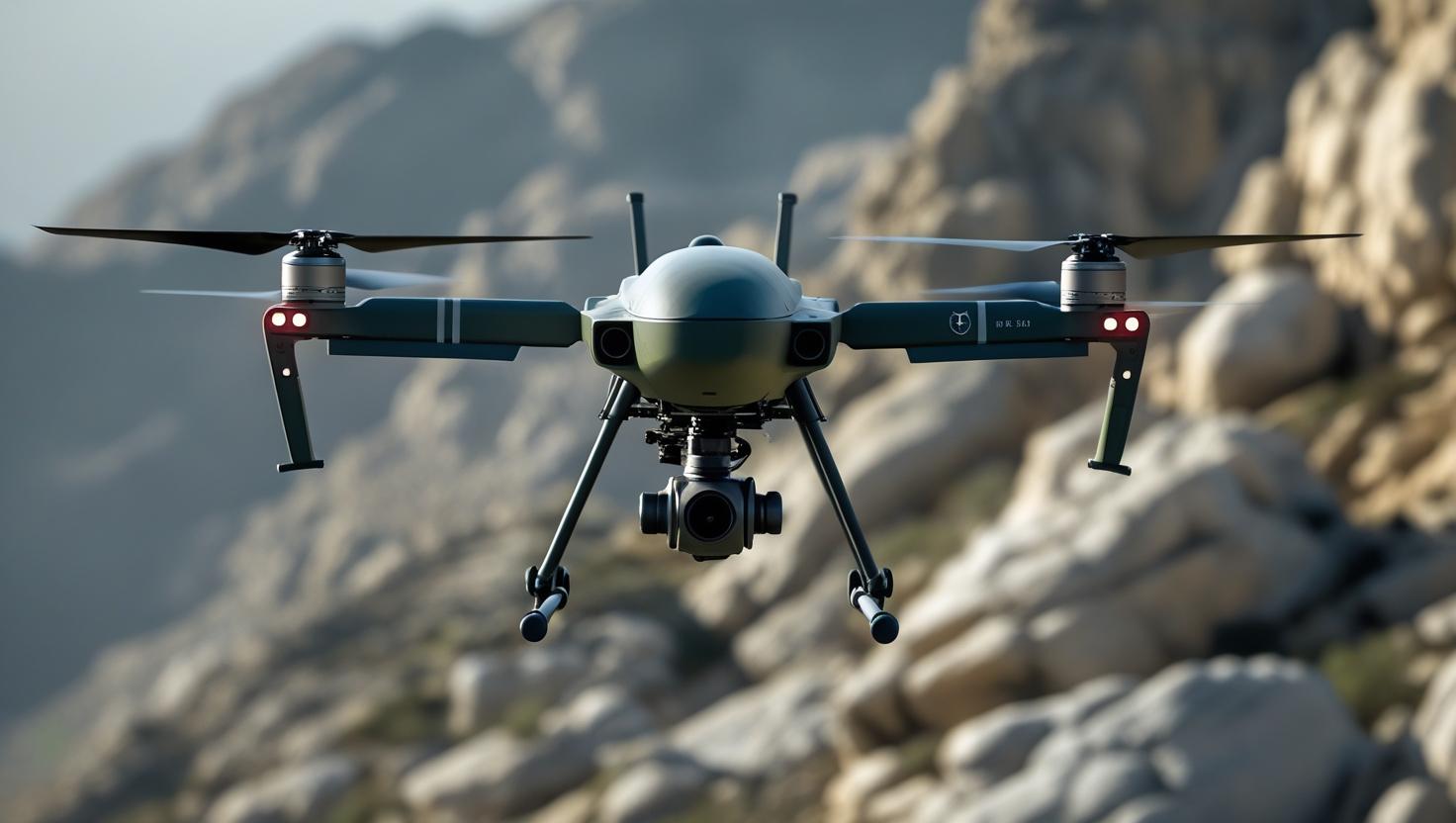

The UK Ministry of Defence (MoD) has officially advanced Project NYX into a new phase of development, marking a significant step in the British Army’s push toward manned–unmanned teaming (MUM-T). As part of this phase, seven UK-based defense and technology firms have been contracted to design and prototype loyal wingman drones intended to operate alongside Apache AH-64E attack helicopters. The initiative is aimed at expanding combat mass, increasing aircraft survivability, and improving operational flexibility in highly contested airspace.
Under the program, industry partners Anduril, BAE Systems, Leonardo, Lockheed Martin UK, Syos, Tekever, and Thales will develop uncrewed aerial systems capable of supporting Apache missions across reconnaissance, strike coordination, target acquisition, and electronic warfare. These companies were selected following a competitive pre-qualification process completed in late 2025. The MoD plans to down-select to four teams by March 2026, with demonstrator contracts expected to follow and an initial operational capability target set for around 2030.
Project NYX is designed around a “command, not control” operational philosophy, in which Apache crews define mission objectives while onboard autonomy enables the drones to execute tasks independently within set parameters. This approach is intended to reduce pilot workload, shorten decision cycles, and enhance effectiveness without adding complexity to cockpit operations. By allowing drones to act semi-autonomously, the British Army aims to preserve tempo even in environments affected by jamming, degraded GPS, or disrupted communications.
The loyal wingman concept is particularly well-suited to rotary-wing operations, where Apaches often fly low and terrain-masked. By pushing sensors and effects forward, the drones can gather intelligence or probe threats while keeping crewed helicopters protected behind cover. According to the MoD, Project NYX is a key pillar in the UK’s broader modernization strategy, ensuring Army Aviation remains effective and survivable against increasingly sophisticated air defense and electronic warfare threats.