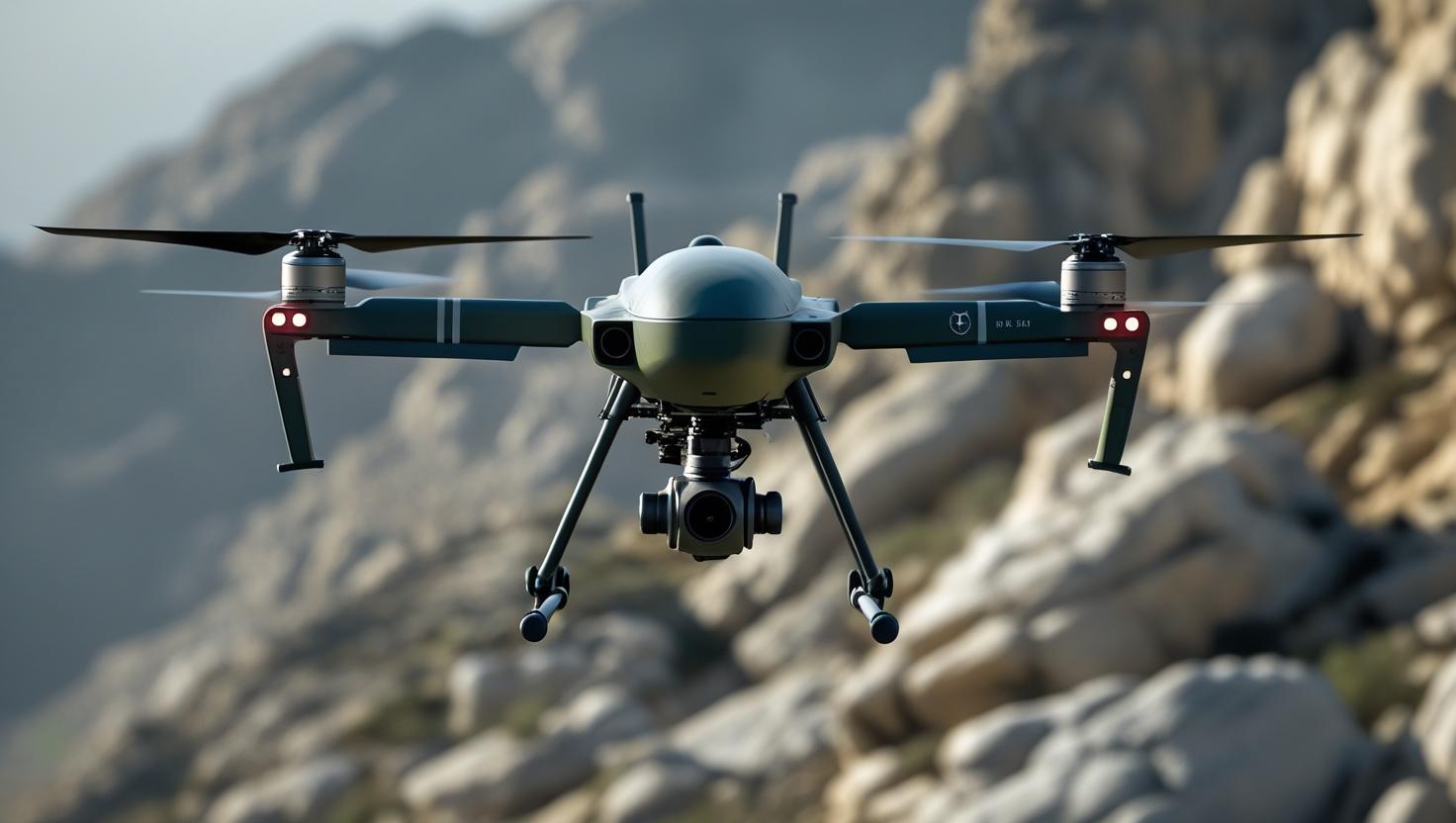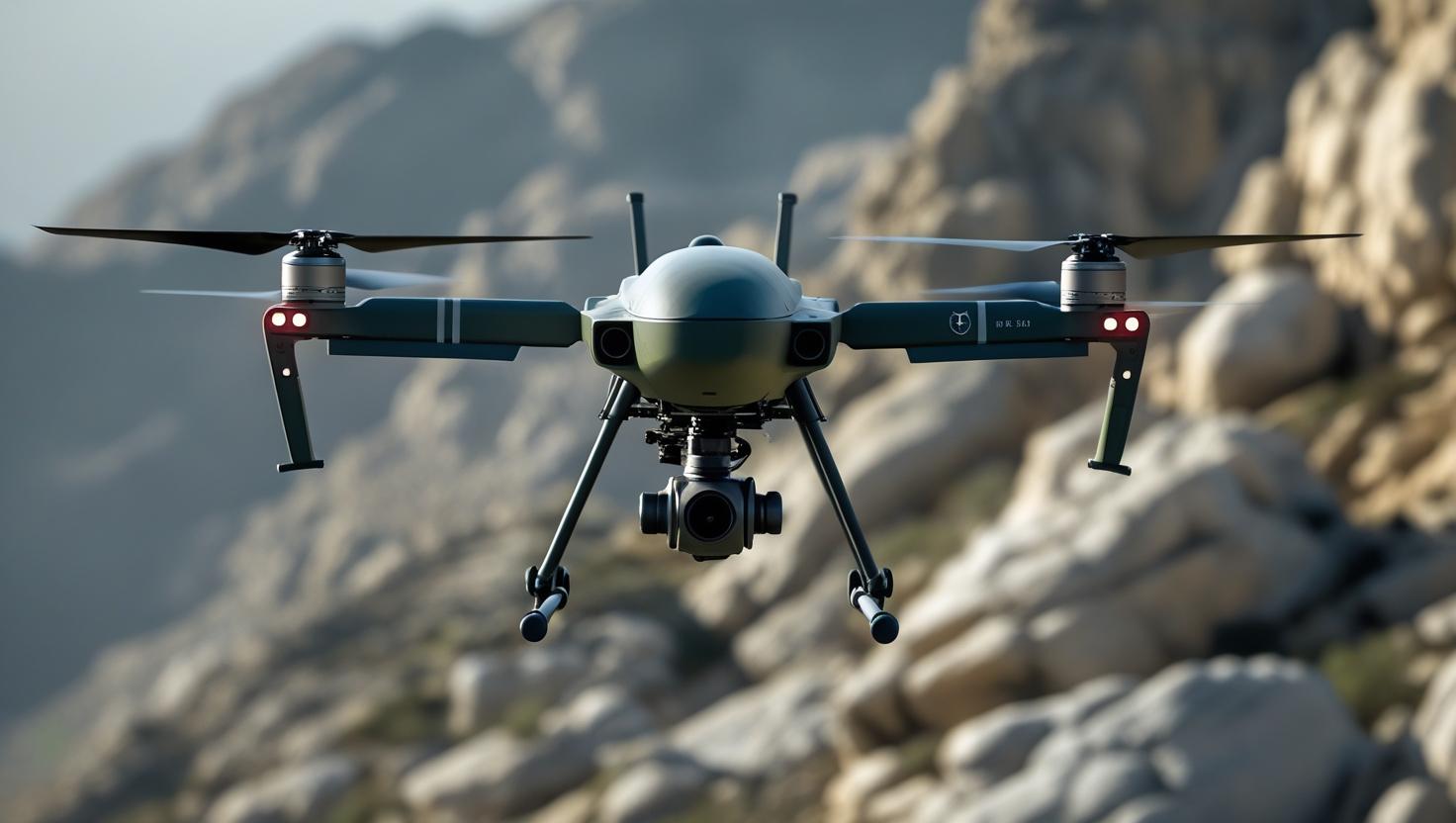

The United Kingdom is betting on speed and autonomy to counter emerging aerial threats, unveiling two new high-speed interceptor systems designed for rapid and precise engagements. Developed by London Defence R&D, the platforms—named Baby Raptor and Raptor XL—are aimed at scenarios where traditional air defense systems may be too slow to respond effectively.
Both interceptors are engineered to autonomously detect, track, and engage airborne targets, leveraging artificial intelligence to operate within extremely short engagement windows. This capability is intended to counter fast-moving and maneuverable threats, including advanced drones and cruise missiles, where reaction time is critical.
At the core of the systems is Raptor Pilot AI Pro, the company’s proprietary autopilot and guidance solution. The AI system stabilizes flight at high speeds and combines navigation data with visual tracking to guide engagements without requiring human intervention. According to the developer, this allows the interceptors to complete missions even in complex or degraded operational environments.
London Defence R&D describes the new interceptors as a step toward intelligent, rapid-response air defense, emphasizing that future security will depend on the ability to react decisively in the air, not just detect threats. While the company has not disclosed production schedules or deployment timelines, the unveiling highlights the UK’s growing focus on autonomous, high-speed air defense technologies.