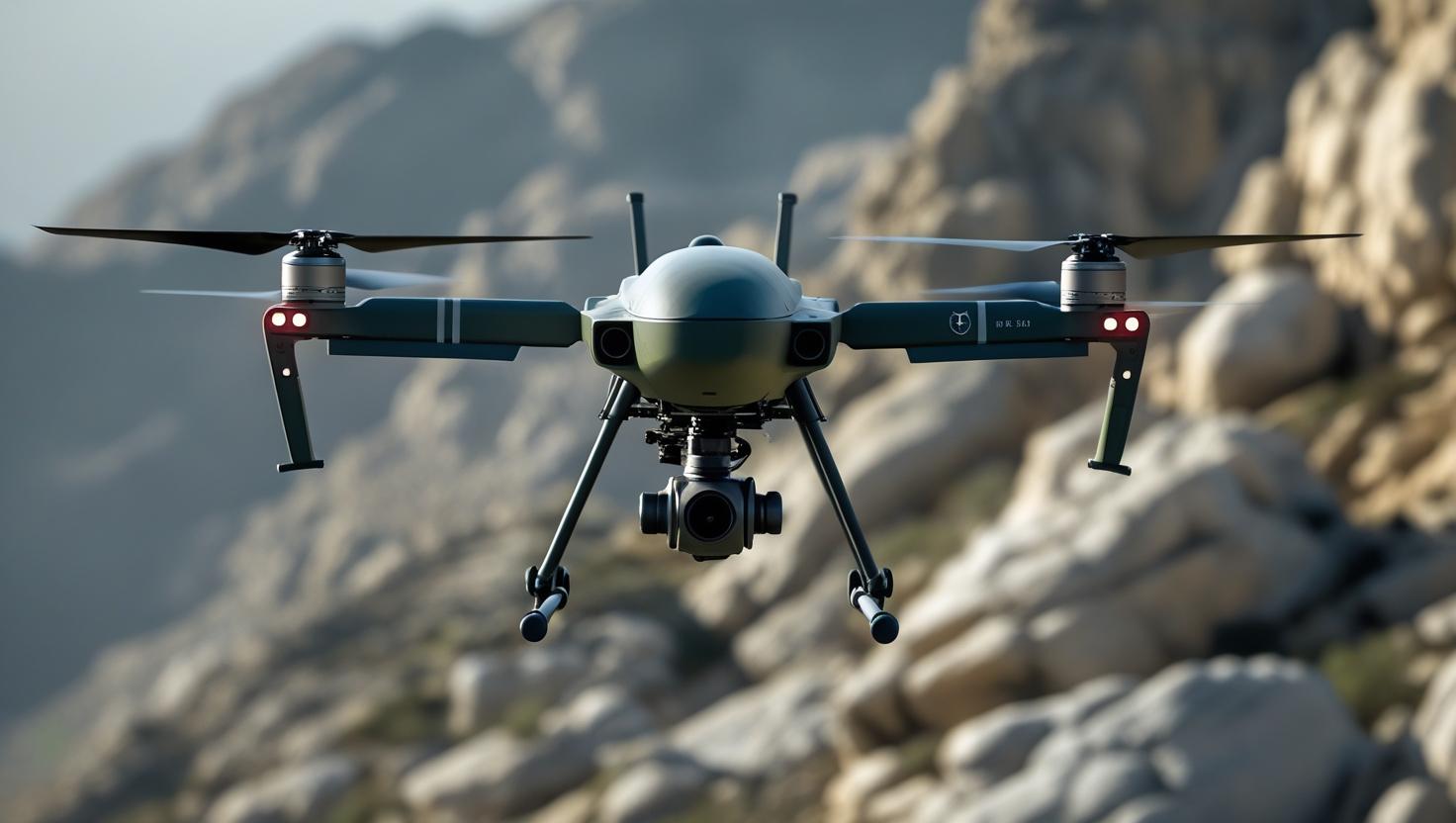
Estonia, Latvia, and Belgium have begun taking delivery of BLAZE autonomous interceptor drones developed by Origin Robotics, marking a milestone in European counter-UAS capabilities. Just months after announcing their procurement plans, the three NATO members started receiving the systems in January, becoming the first European militaries to field a domestically produced, fully autonomous drone interceptor. Origin Robotics, based in Latvia, designed BLAZE with NATO interoperability in mind, incorporating a STANAG-compliant warhead module and a system architecture intended for rapid integration into existing air defense networks. Latvia initiated its procurement in October 2025, followed by Belgium in November with a €50-million defense allocation for counter-drone systems, while Estonia placed its order shortly afterward. Deliveries are being conducted in batches, with all three countries now entering the initial integration and evaluation phase. According to Origin, the BLAZE system is operational upon delivery, offering a sharp contrast to traditional acquisition cycles that often take years before reaching readiness. National evaluation teams, including Latvia’s Autonomous Systems Competence Center, are tasked with determining how best to incorporate the system into layered air defense architectures. Autonomous interceptor drones rely on onboard sensors and artificial intelligence to detect, track, and engage hostile UAVs with minimal human input. Similar concepts have been pursued globally, including US-developed DroneHunter systems and joint UK-Ukrainian production of Octopus-100 interceptors, underscoring a broader shift toward autonomy in counter-drone warfare.