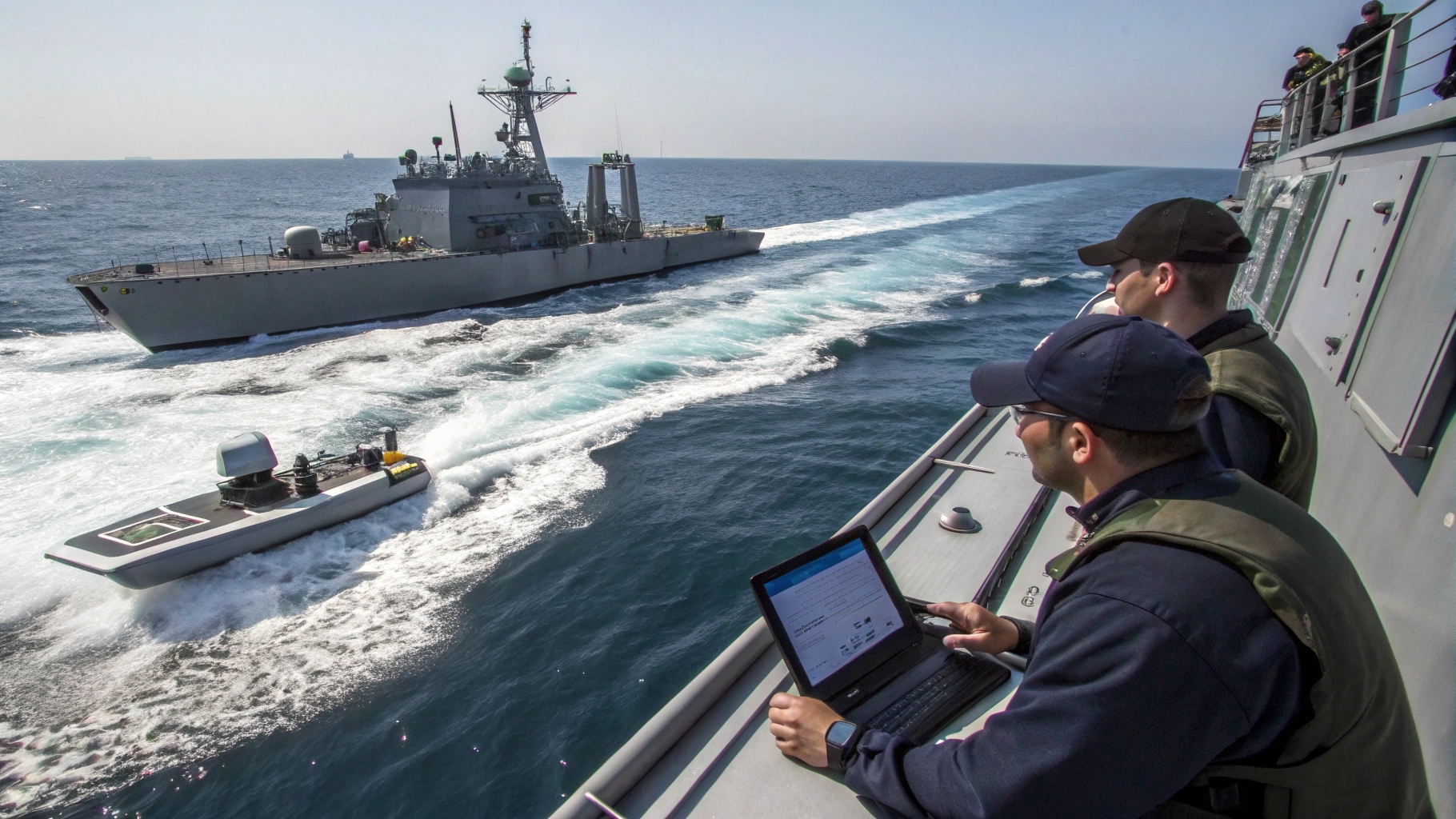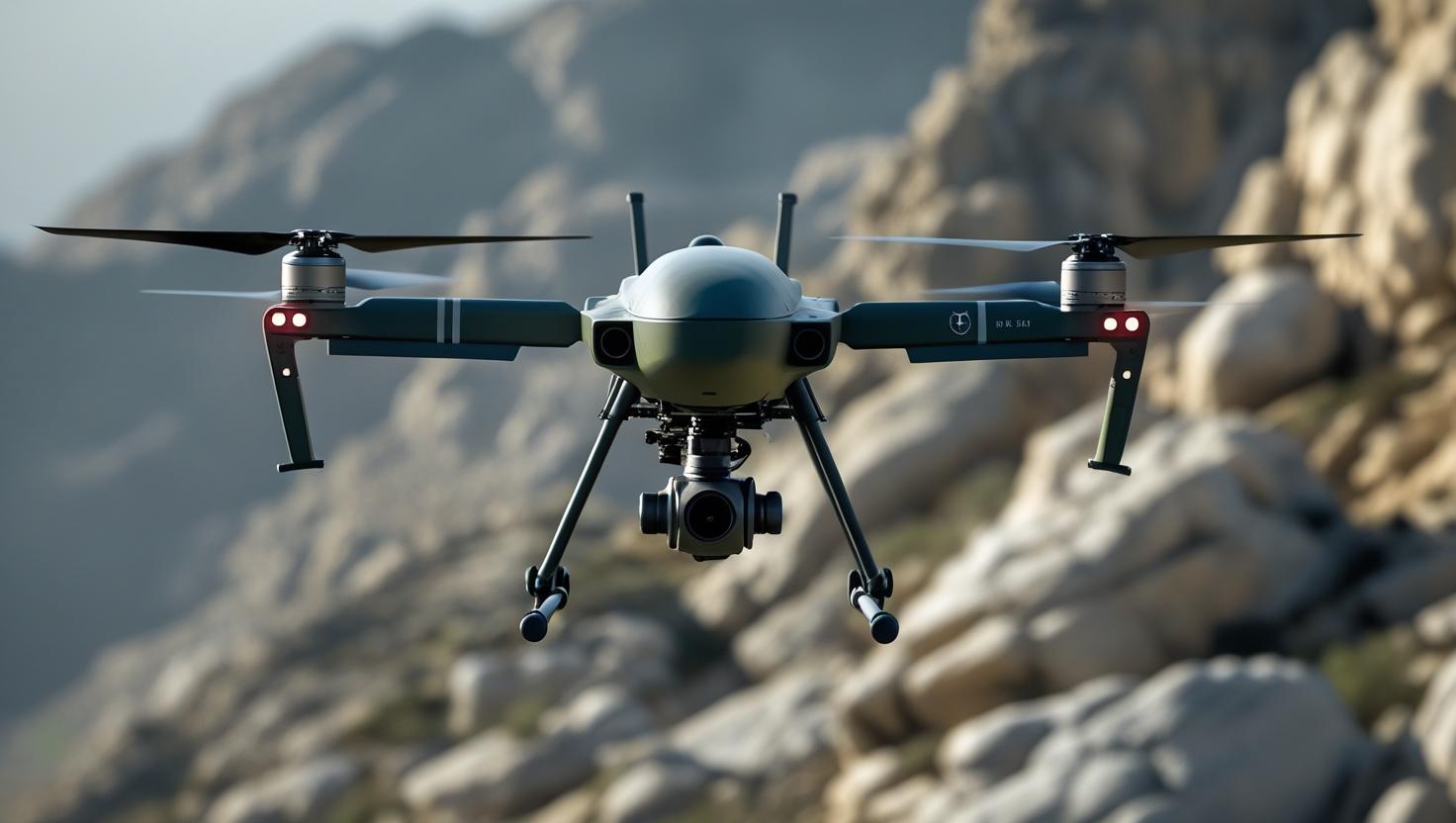

US defense technology company Red Cat Holdings is accelerating its expansion into maritime autonomy with the development of the V7, an expeditionary unmanned surface vessel designed for long-range kinetic operations. Developed by Blue Ops, Red Cat’s maritime-focused division, the 7.8-meter platform is intended to operate in highly contested environments where conventional naval vessels face growing threats from surveillance, precision weapons, and asymmetric tactics. The V7 has been positioned as a multi-role system capable of supporting deep-strike missions, anti-ship warfare, and coastal interdiction operations. Its design emphasizes endurance and operational reach, enabling it to travel extended distances while remaining mission-capable for prolonged periods. According to the company, the vessel can employ unpredictable navigation patterns and agile maneuvering, reducing the likelihood of detection, tracking, and targeting by adversary sensor networks. These characteristics are increasingly important as maritime battlefields become saturated with radar, electro-optical systems, and unmanned surveillance platforms. By leveraging autonomy, Red Cat aims to reduce risk to personnel while expanding naval forces’ operational options in forward areas. The V7 reflects a broader shift toward distributed maritime operations, where unmanned platforms extend reach, complicate enemy planning, and complement crewed vessels. As navies worldwide explore autonomous and optionally crewed surface systems, the V7 highlights Red Cat’s ambition to compete in the emerging market for unmanned platforms capable of direct kinetic action rather than limited support roles.