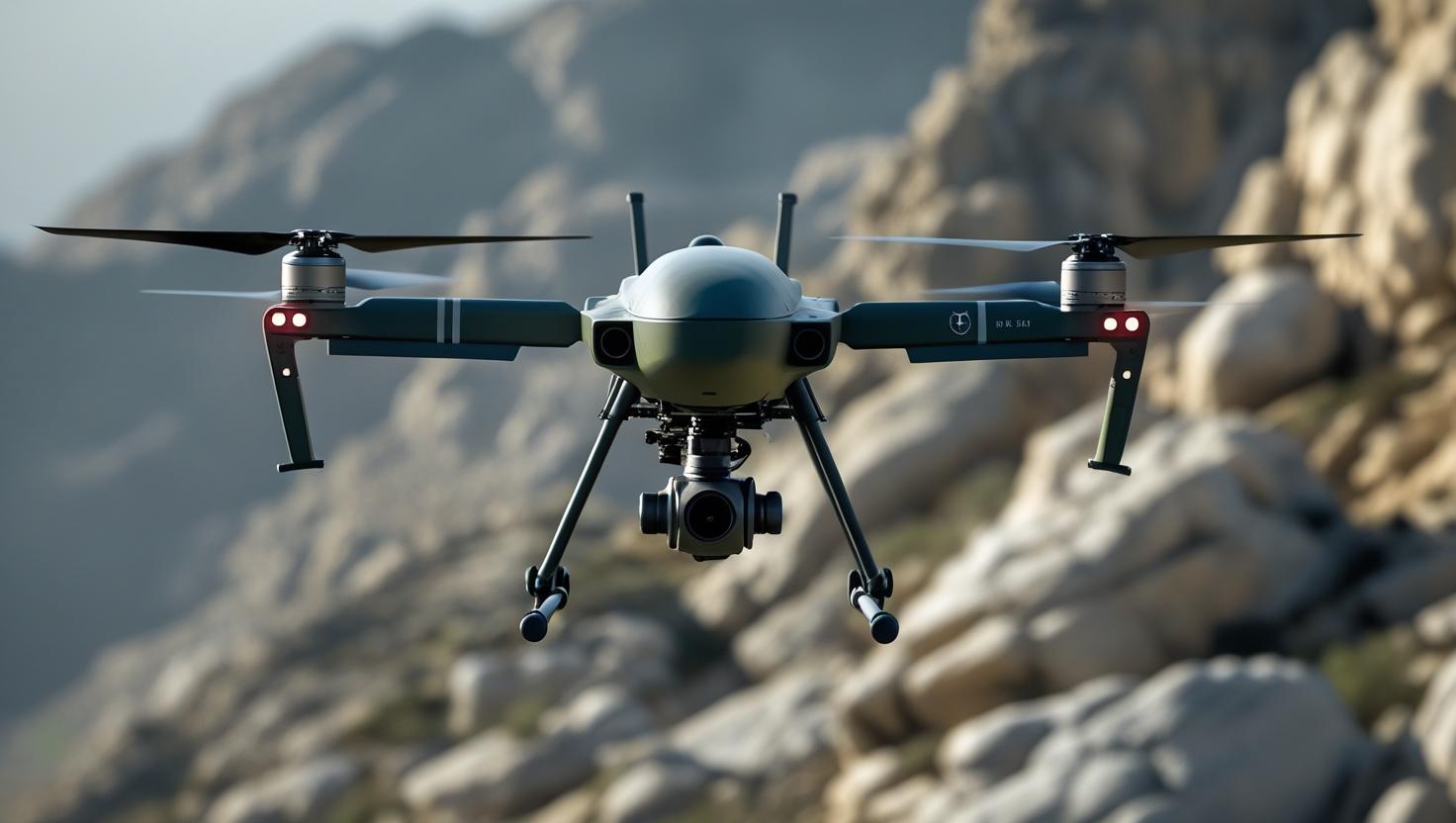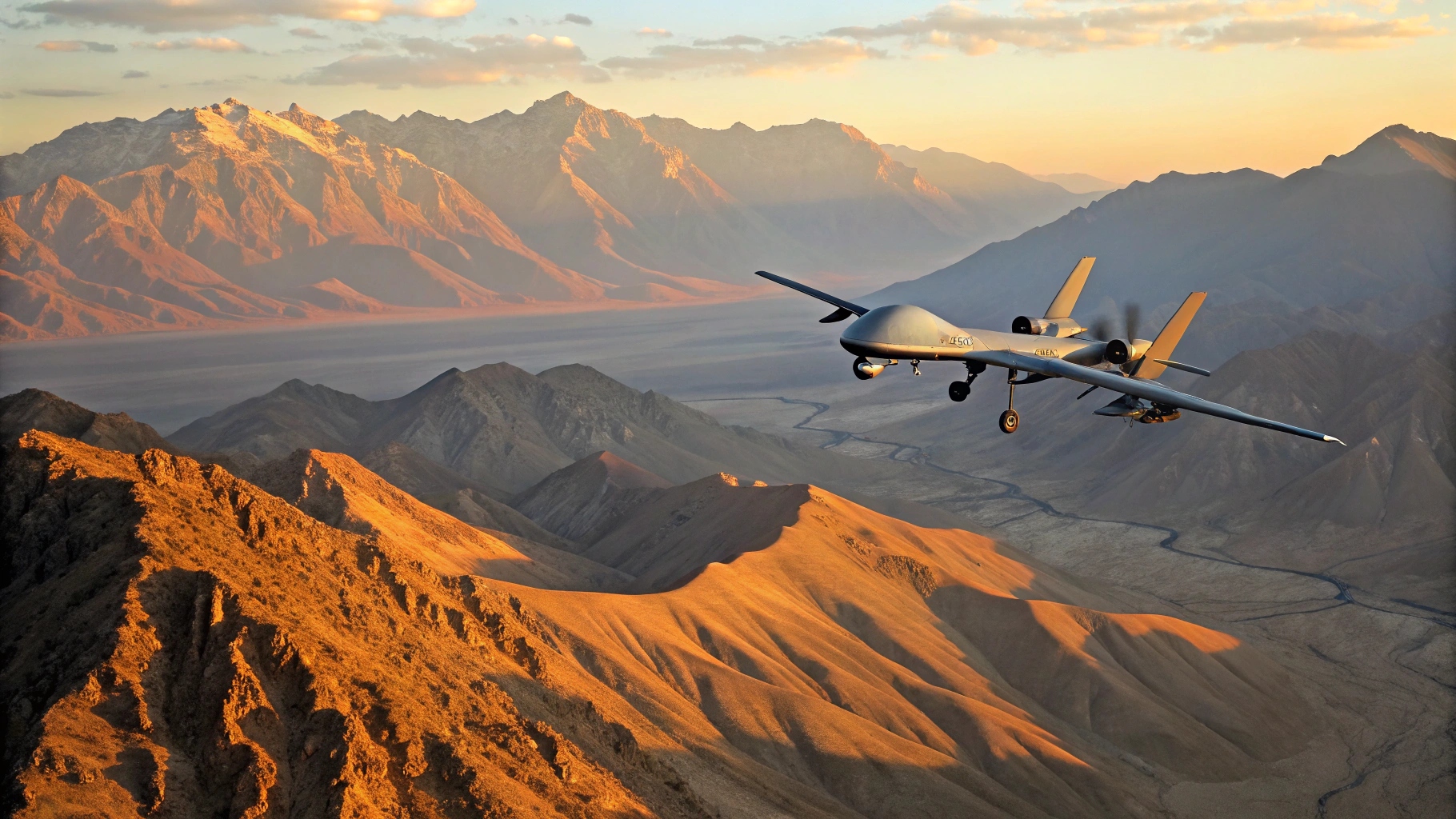
The US Defense Advanced Research Projects Agency (DARPA) has selected Shearwater Aerospace to provide artificial intelligence software that enables unmanned aerial vehicles to exploit atmospheric wind currents and extend flight endurance. Shearwater will participate as a subcontractor under DARPA’s Albatross program, which focuses on improving UAV persistence through weather-aware autonomy rather than new airframe designs.
Under the agreement, Shearwater will contribute its automated mission planning and micro-weather forecasting technology to support a series of autonomous soaring flight demonstrations. The company’s Smart Flight system uses AI-driven weather intelligence and real-time guidance to dynamically adjust flight paths, allowing drones to extract energy from changing wind conditions instead of treating weather as a limiting factor.
The Albatross effort is led by PhysicsAI, with support from Applied Aeronautics, and will evaluate how software-based planning tools can improve UAV range and endurance across diverse operational environments. Rather than redesigning aircraft or adding sensors, the program aims to retrofit existing unmanned systems with autonomy solutions that maximize performance by leveraging environmental energy.
The selection of Shearwater reflects DARPA’s broader emphasis on autonomous aviation technologies. Previous initiatives, including the Rapid Experimental Missionized Autonomy program and the ANCILLARY VTOL demonstrations, have explored software that enables drones to continue missions despite disruptions and conduct end-to-end navigation with minimal human input, reinforcing autonomy as a cornerstone of future unmanned operations.