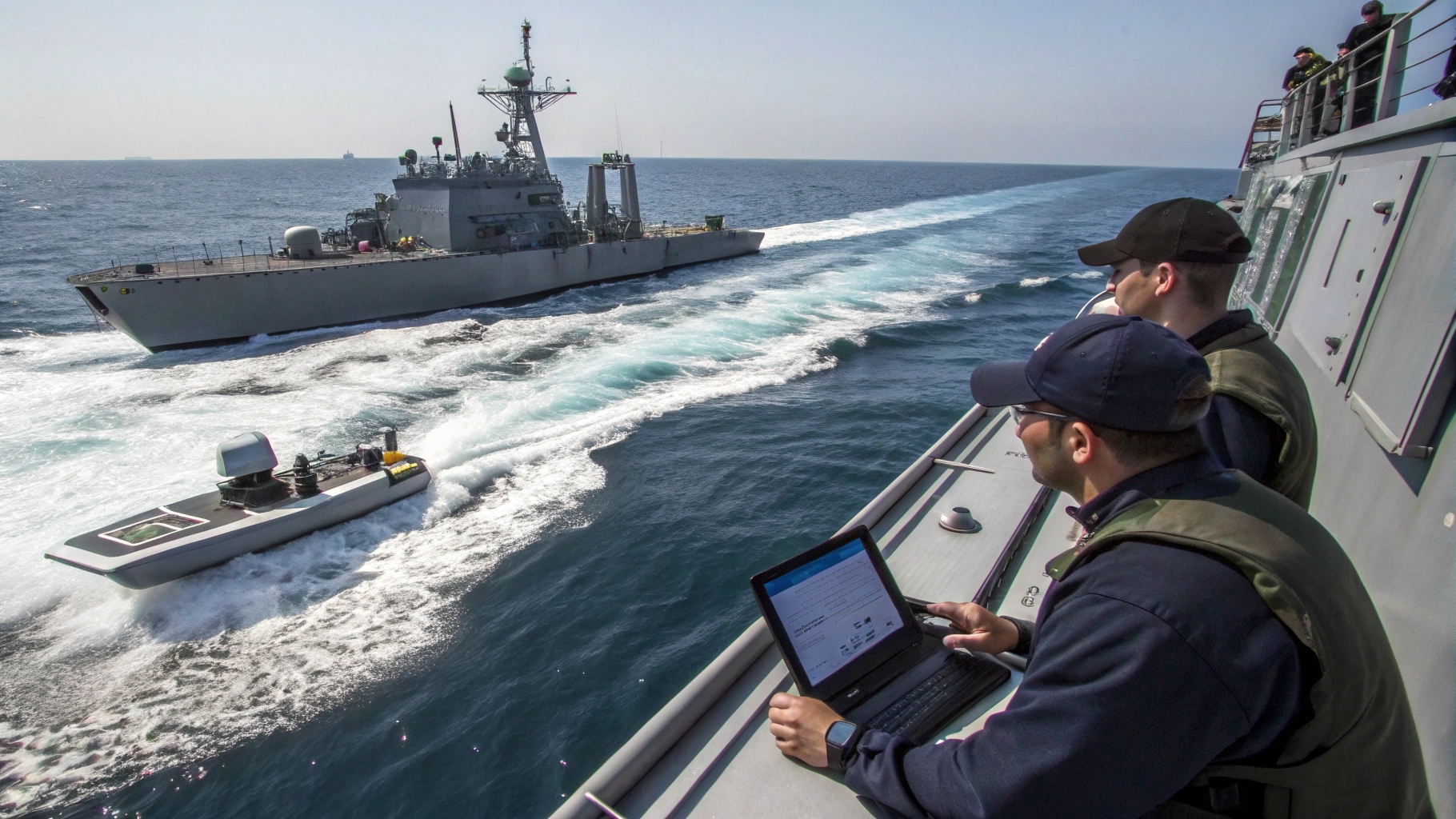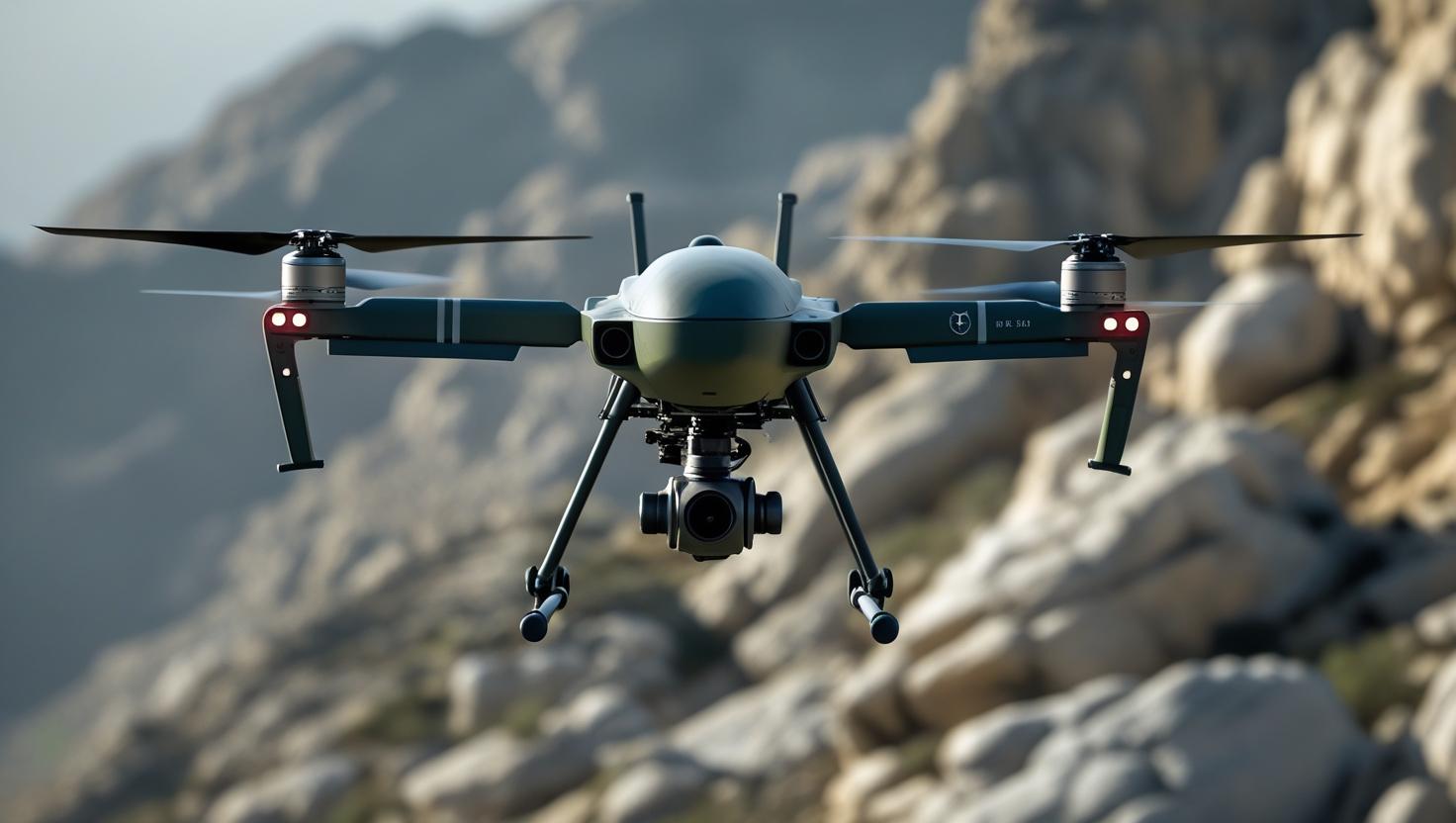
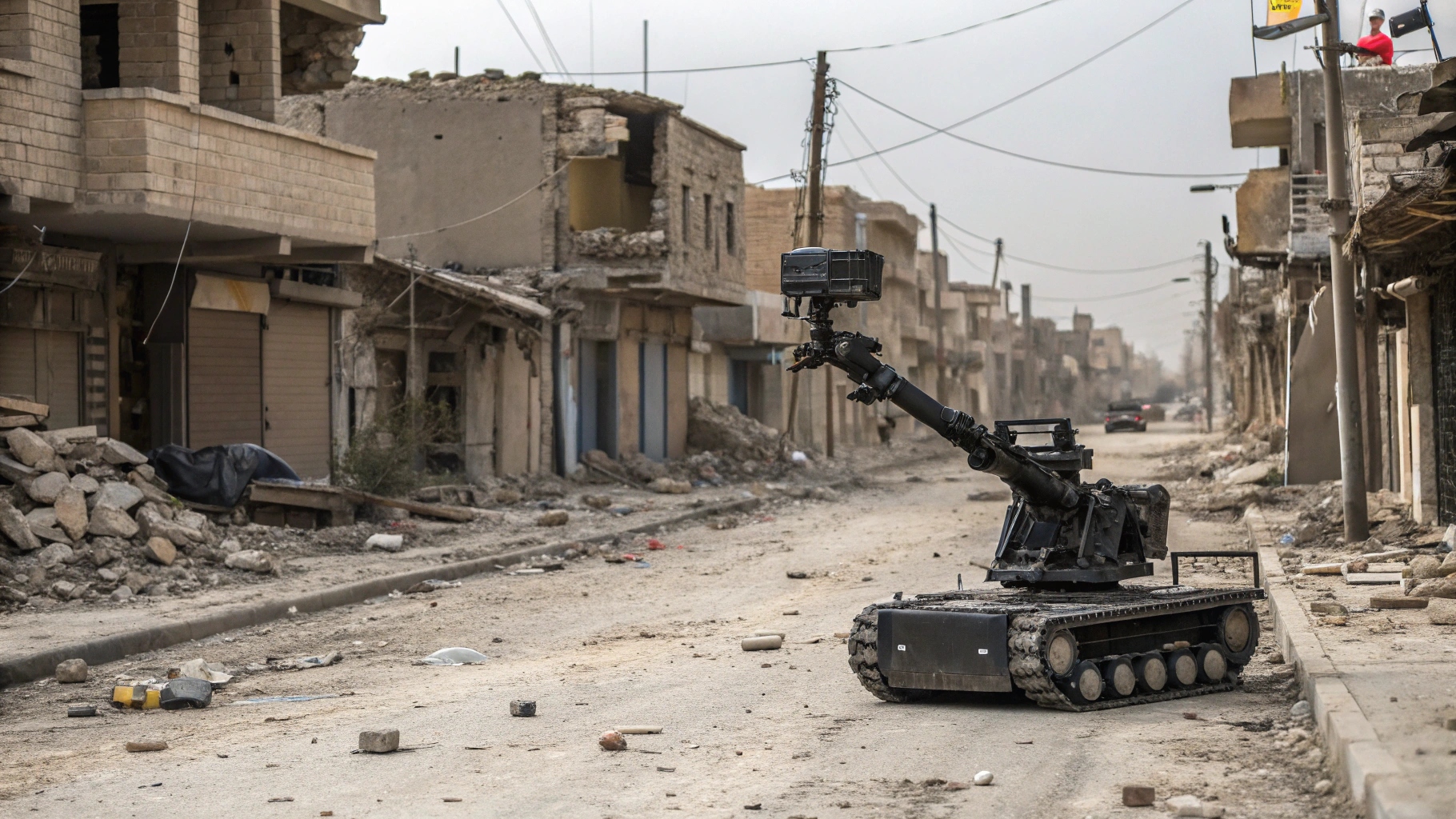
Huntington Ingalls Industries (HII) is progressing development of its ROMULUS unmanned surface vessel family, with the prototype now approximately 30 percent complete. The company plans to begin sea trials in late 2026, marking a key milestone in the maturation of the next-generation autonomous vessel program.
Designed for high-endurance, open-ocean missions, the ROMULUS USVs are intended to support operations by the US Navy, US Marine Corps, joint forces, and allied partners. The vessels are being developed to perform a broad range of missions, including intelligence, surveillance, and reconnaissance, counter-drone operations, mine countermeasures, and strike missions.
The vessels measure about 190 feet in length and are capable of speeds exceeding 25 knots, with an operational range of up to 2,500 nautical miles. ROMULUS platforms are also designed to support manned-unmanned teaming, enabling tasks such as at-sea refueling, resupply, and the launch and recovery of unmanned underwater and aerial systems.
At the heart of the ROMULUS family is Odyssey, HII’s artificial intelligence-enabled control suite that can manage individual vessels or coordinated swarms. Built with an open architecture, the system allows for the integration of new sensors, payloads, and autonomy technologies, drawing on capabilities from partners such as Shield AI, Applied Intuition, and C3 AI to enhance performance and sustainment.