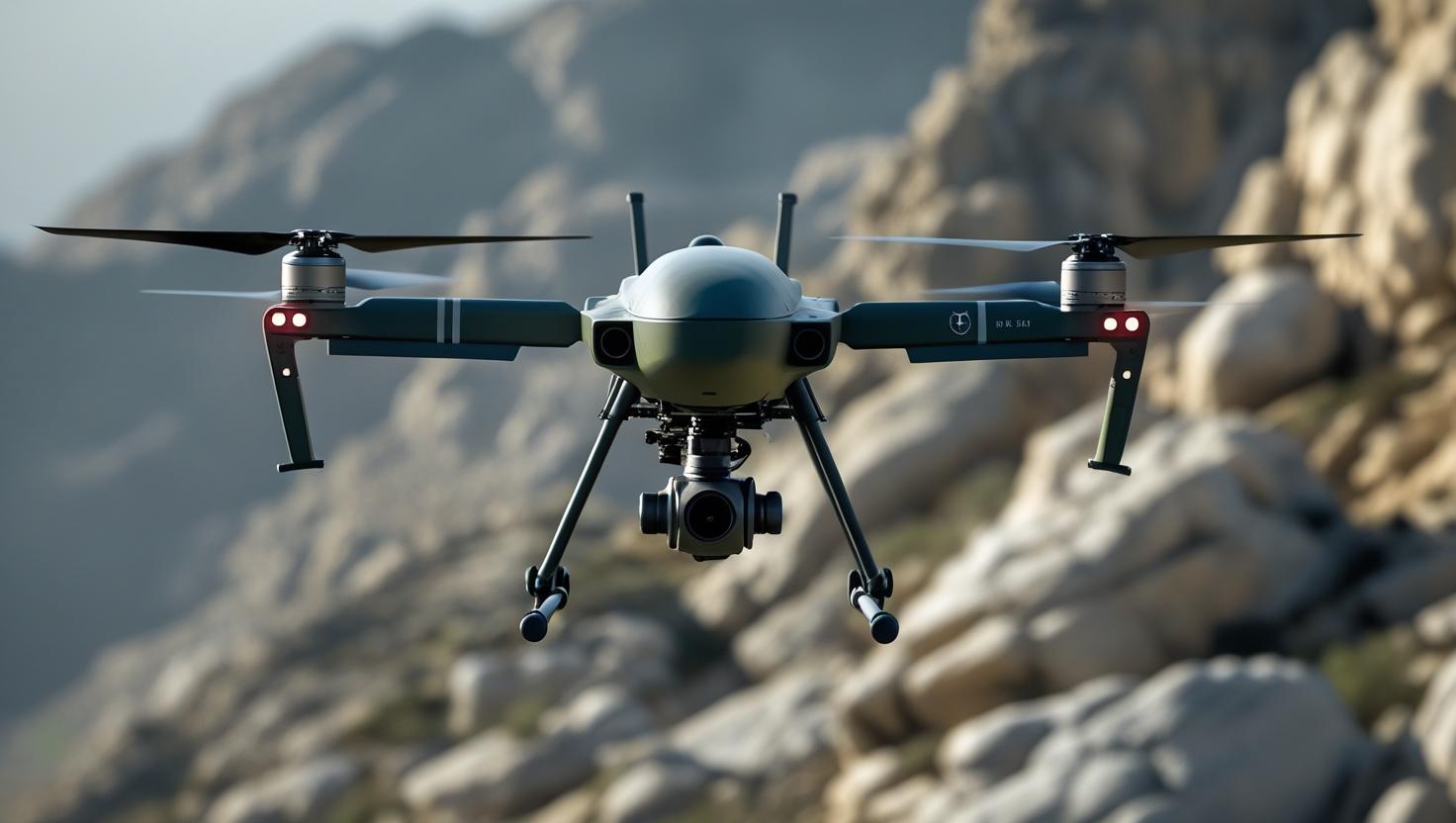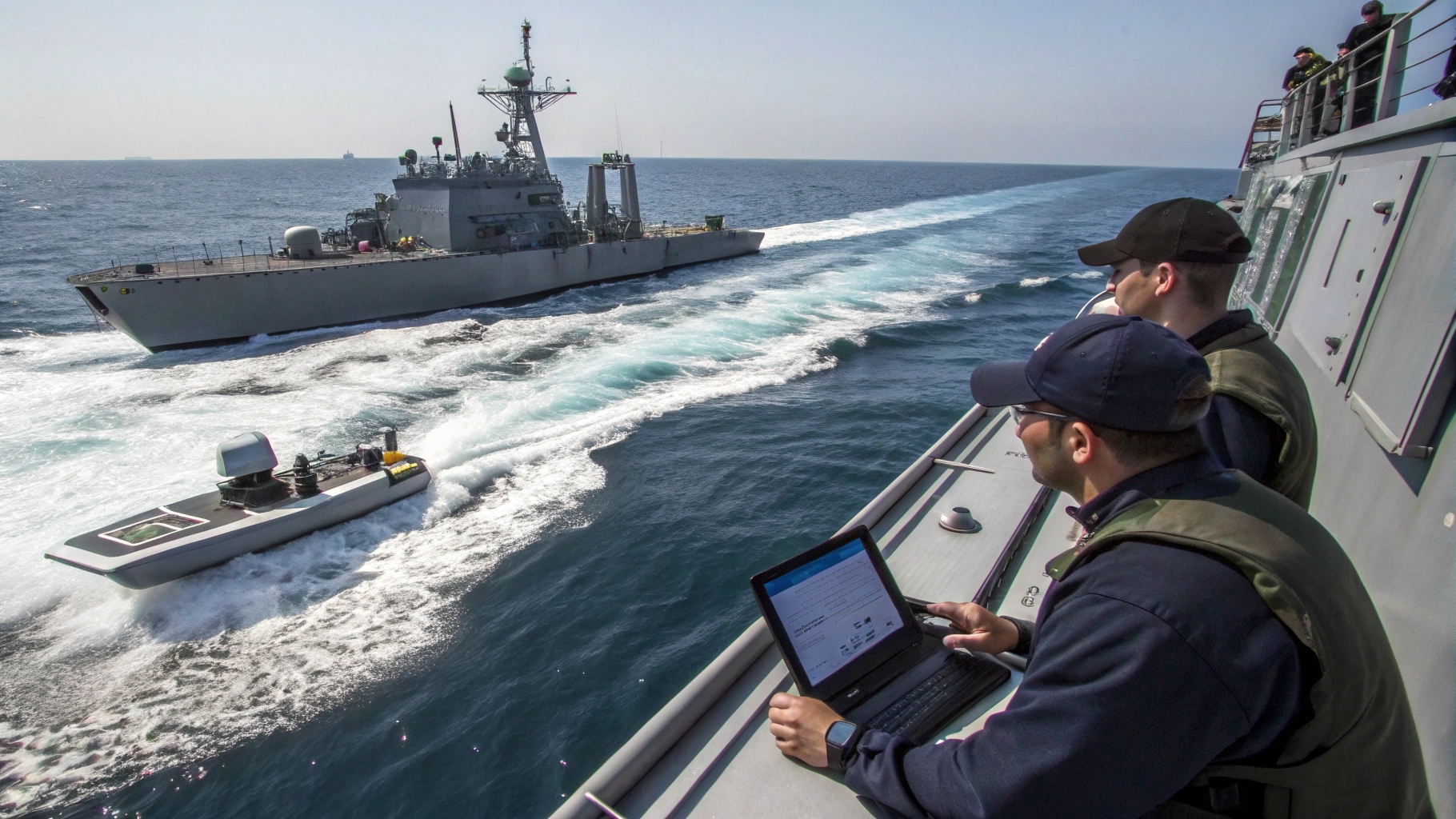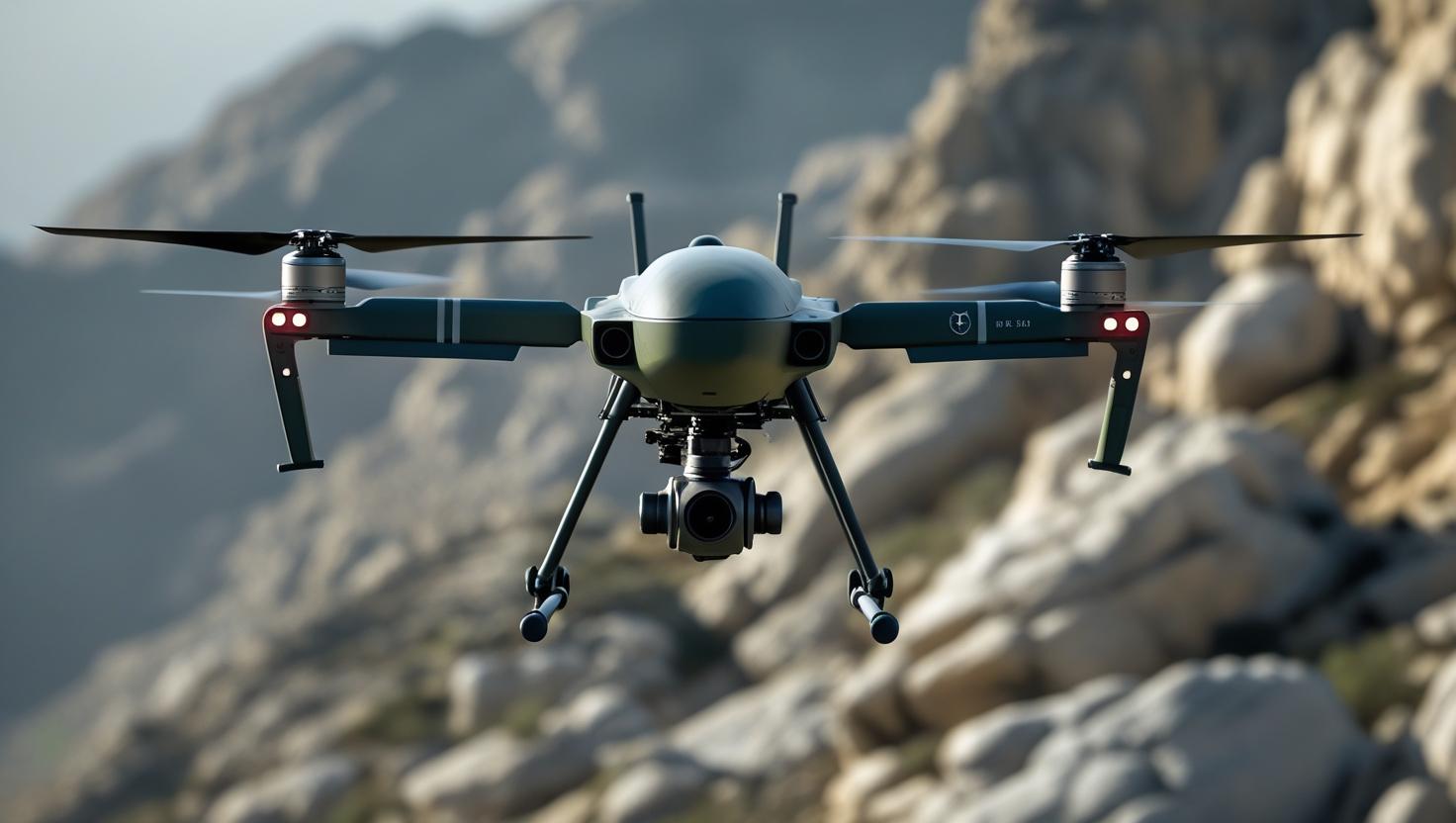
The British Royal Navy, in partnership with Leonardo UK, successfully completed the first autonomous flight of the Proteus full-size unmanned helicopter at Predannack Airfield in Cornwall. This historic flight marks a key milestone in the development of one of the world’s first large autonomous rotary-wing aircraft, designed to operate alongside crewed platforms within future Royal Navy aviation operations.
During the test flight, the Proteus controlled all aspects of its flight autonomously, without a pilot onboard, while remaining under continuous supervision from ground-based test crews to ensure safety. The event represents the transition of the program from ground-based trials to airborne validation, confirming the aircraft’s ability to perform complex flight sequences and paving the way for its integration into hybrid naval air wings and the UK’s Atlantic Bastion programme.
Predannack Airfield, a satellite facility for RNAS Culdrose and home to the UK National Drone Hub, provided an ideal testing environment. The site allowed engineers, technicians, and observers from Leonardo, the Royal Navy, and UK Defence Innovation to monitor the flight closely, linking Proteus development with existing helicopter operations and the broader initiative to expand autonomous and uncrewed aerial capabilities in UK naval aviation.
The Proteus program has been evolving since 2013, starting with a £2.3 million contract to explore rotary-wing unmanned systems under the Anti-Submarine Warfare Spearhead project. Subsequent contracts, including a £60 million award in 2022, have supported about 100 skilled jobs in the UK and enabled development of autonomy, control systems, and mission integration. Data gathered from these trials will inform future Royal Navy and NATO decisions on deploying autonomous helicopters for ISR, anti-submarine, and hybrid maritime operations.