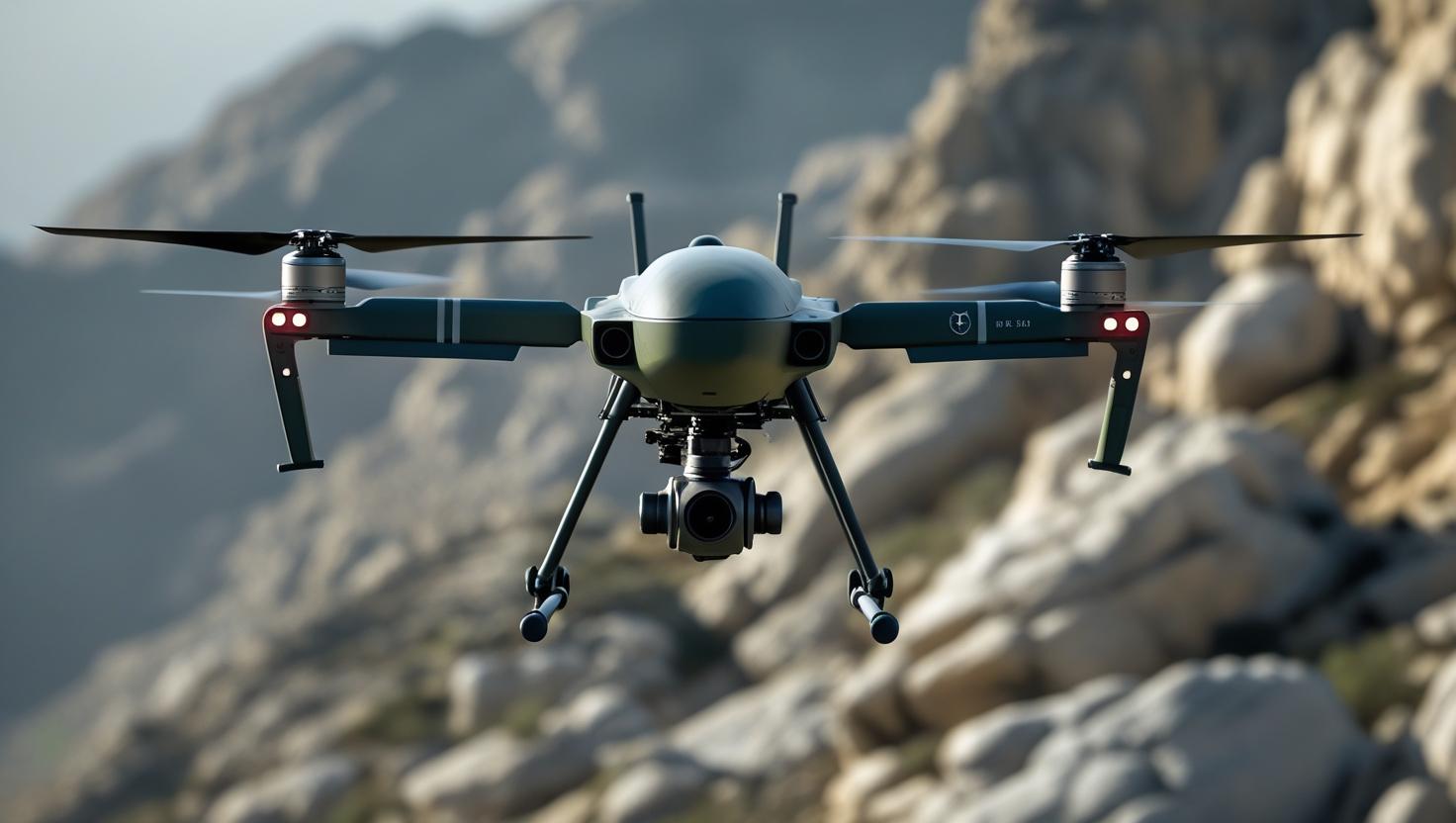
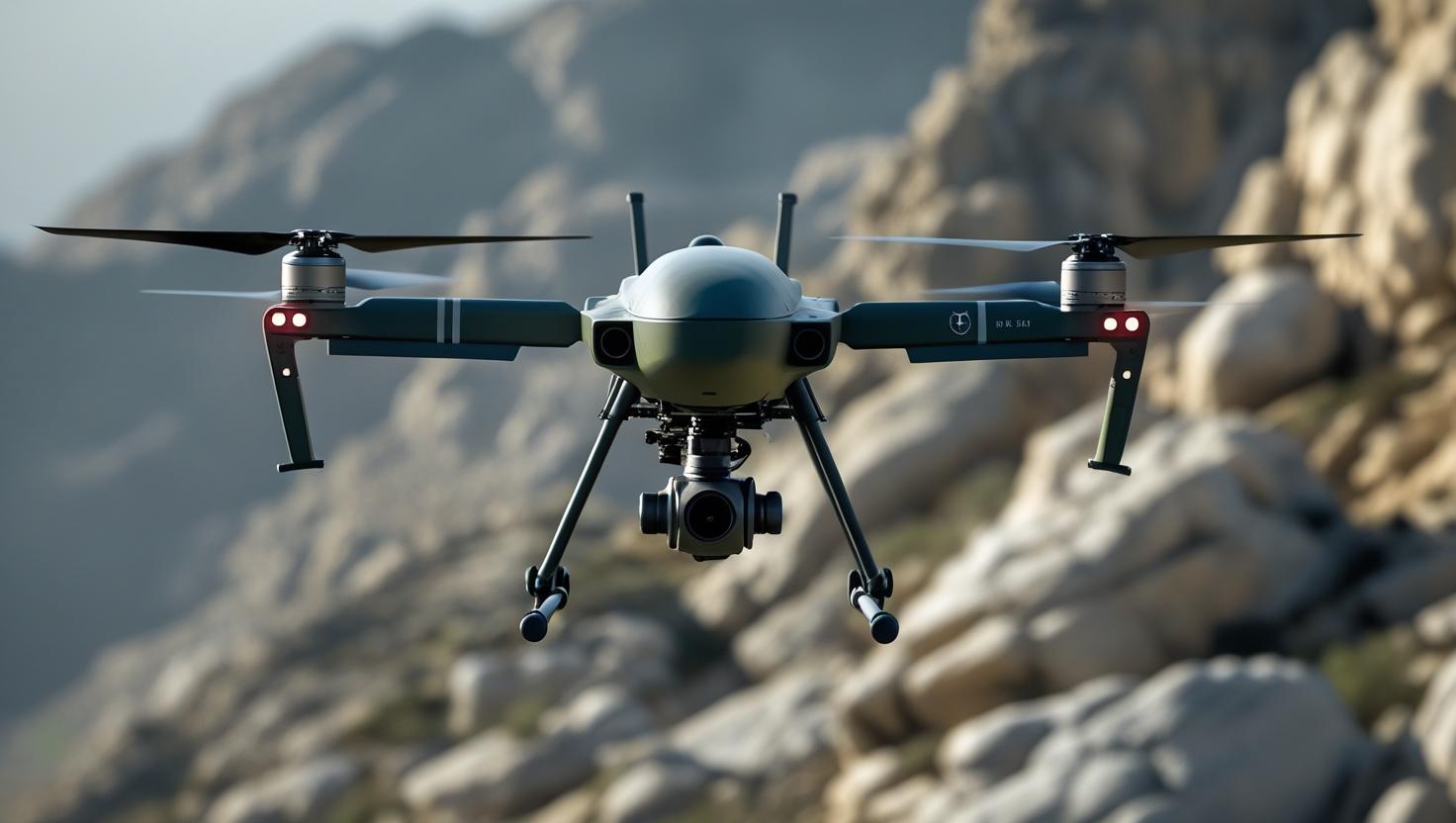
Lockheed Martin’s Skunk Works® has unveiled Vectis, a Group 5 collaborative combat aircraft (CCA), at the 2025 Air, Space & Cyber Conference. The stealth drone is intended to team with U.S. and allied fighter jets, conducting precision strike, electronic warfare, and intelligence, surveillance, and reconnaissance (ISR) missions. Lockheed has committed to building and flight-testing the aircraft within two years, positioning itself strongly in the U.S. Air Force’s evolving CCA competition.
Unlike traditional acquisition programs, Vectis is not the result of a formal contract award. Instead, Lockheed is accelerating development by investing its own resources. Parts procurement has already begun, and assembly work is underway, reflecting the company’s determination to stay ahead of rival manufacturers. This strategy aims to demonstrate capability early, bypassing lengthy acquisition cycles and directly influencing the competitive landscape.
In contrast to platforms marketed as low-cost attritable drones, Vectis has been conceived as a survivable, multi-role combat system capable of operating deep inside contested environments. Skunk Works engineers have drawn on decades of stealth design expertise, advanced fighter systems integration, and modern digital engineering methods to produce a modular platform that Lockheed describes as both “highly capable and affordable.”
Vectis is built around an open mission architecture, aligned with Department of Defense reference models, to enable rapid reconfiguration and support multi-vendor integration. The system will also be compatible with existing control standards such as MDCX™, ensuring it can seamlessly connect with current and future command-and-control networks.