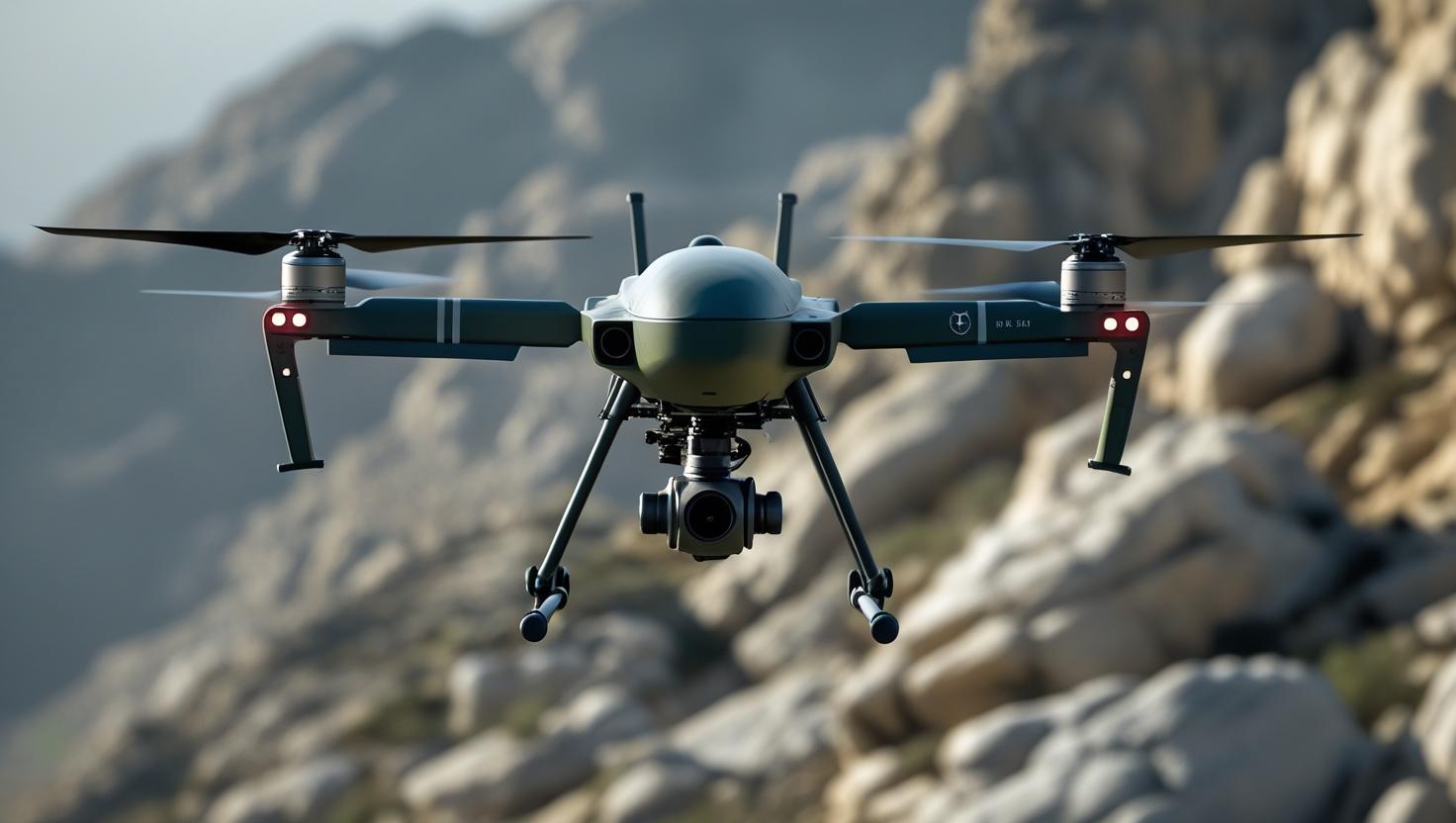
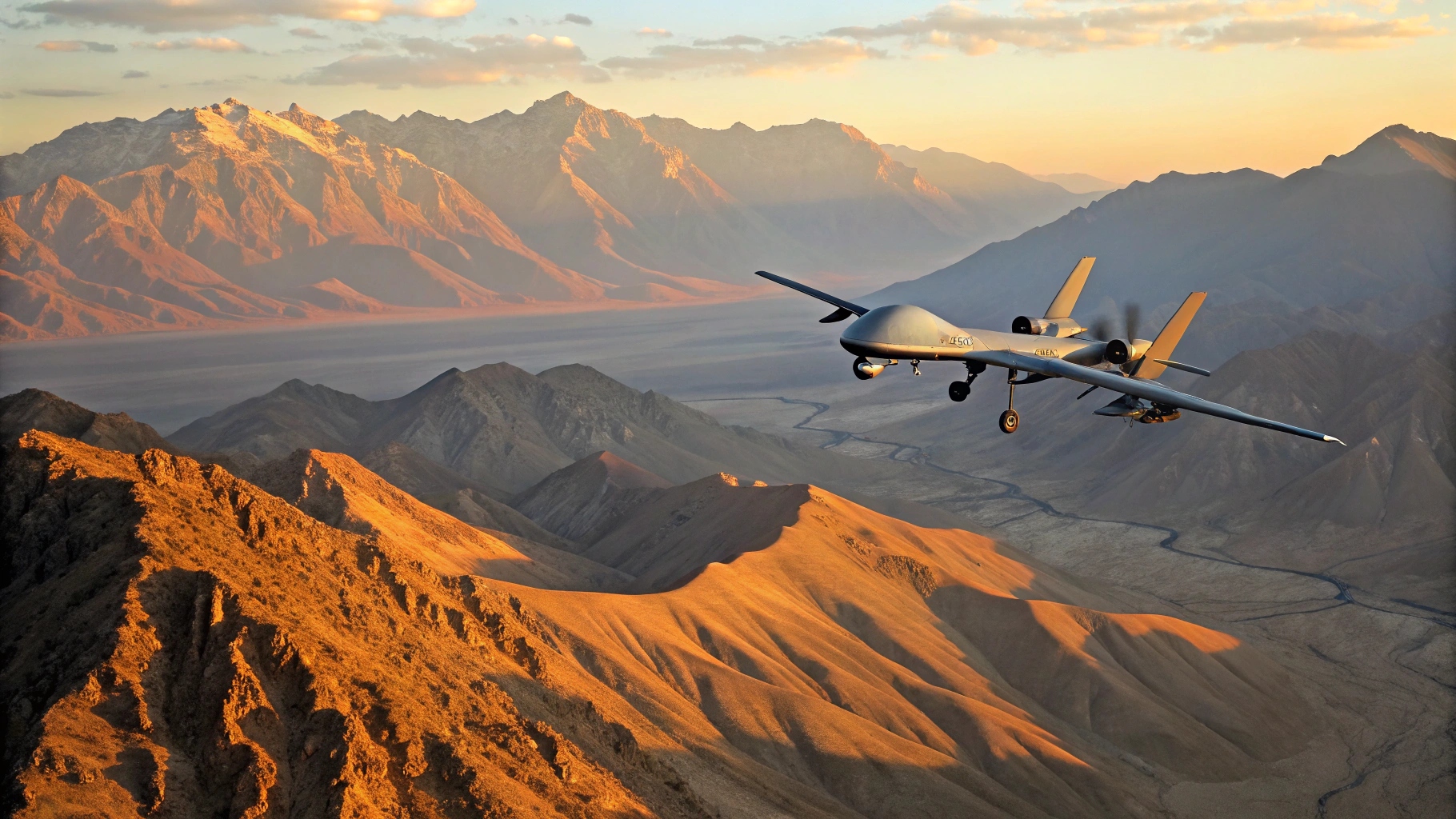
The Netherlands has formally joined the US Air Force’s Collaborative Combat Aircraft (CCA) initiative, a groundbreaking program aimed at deploying next-generation autonomous drones to operate as “loyal wingmen” alongside the F-35 fighter fleet. Through a letter of intent signed in Washington just ahead of the NL-US Defense Industry Days, Dutch State Secretary for Defense Gijs Tuinman marked his country’s commitment to advancing AI-enabled unmanned systems and deeper transatlantic defense cooperation.
The agreement positions the Netherlands within the inner circle of air combat development, offering “total access” to the CCA program’s collaborative R&D and enabling Dutch input on requirements for operations in the European theater. The initiative seeks to field drones providing sensor extension, additional weapon carriage, and high-risk mission capability, all controlled directly from the fighter cockpit. Dutch officials see participation as a way to assume a leading role in unmanned teaming concepts, ultimately enhancing survivability and expanding future operational options for NATO air forces.
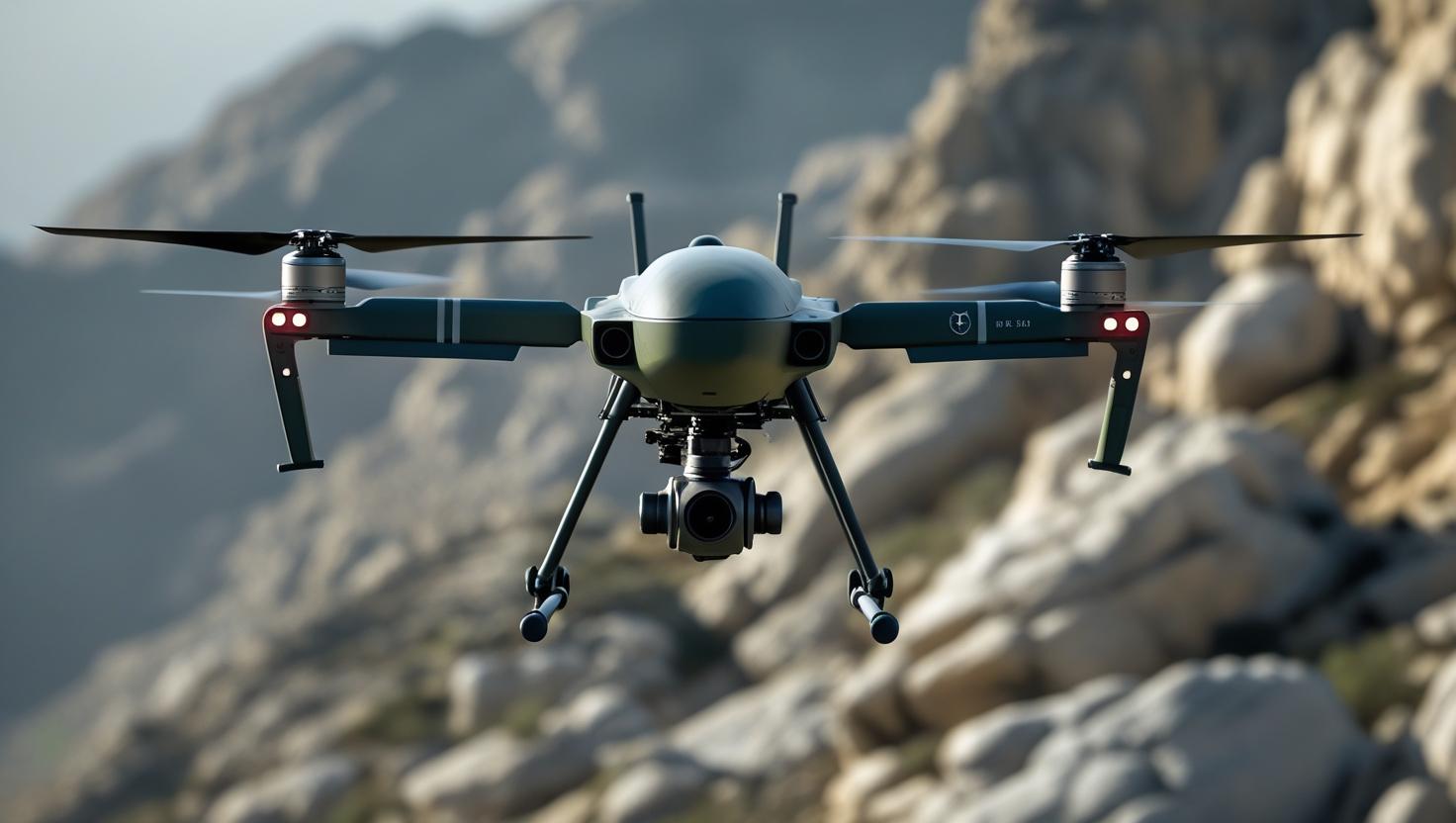
As part of its broader defense innovation strategy, the Dutch Ministry of Defense is also working with General Atomics to co-develop smaller intelligence, surveillance, and reconnaissance unmanned aerial systems (ISR-UAS), with local assembly planned through Dutch firm VDL. The new partnership further consolidates the Netherlands’ status as a forward-leaning European contributor to rapidly evolving air combat technology ecosystems and joint operational architectures.
The Netherlands’ move reflects a growing European interest in artificial intelligence and autonomous capabilities for air warfare, with similar initiatives underway in France and Germany. The CCA collaboration stands as a model for future transatlantic innovation and force multiplier potential across NATO’s next-generation air fleets.