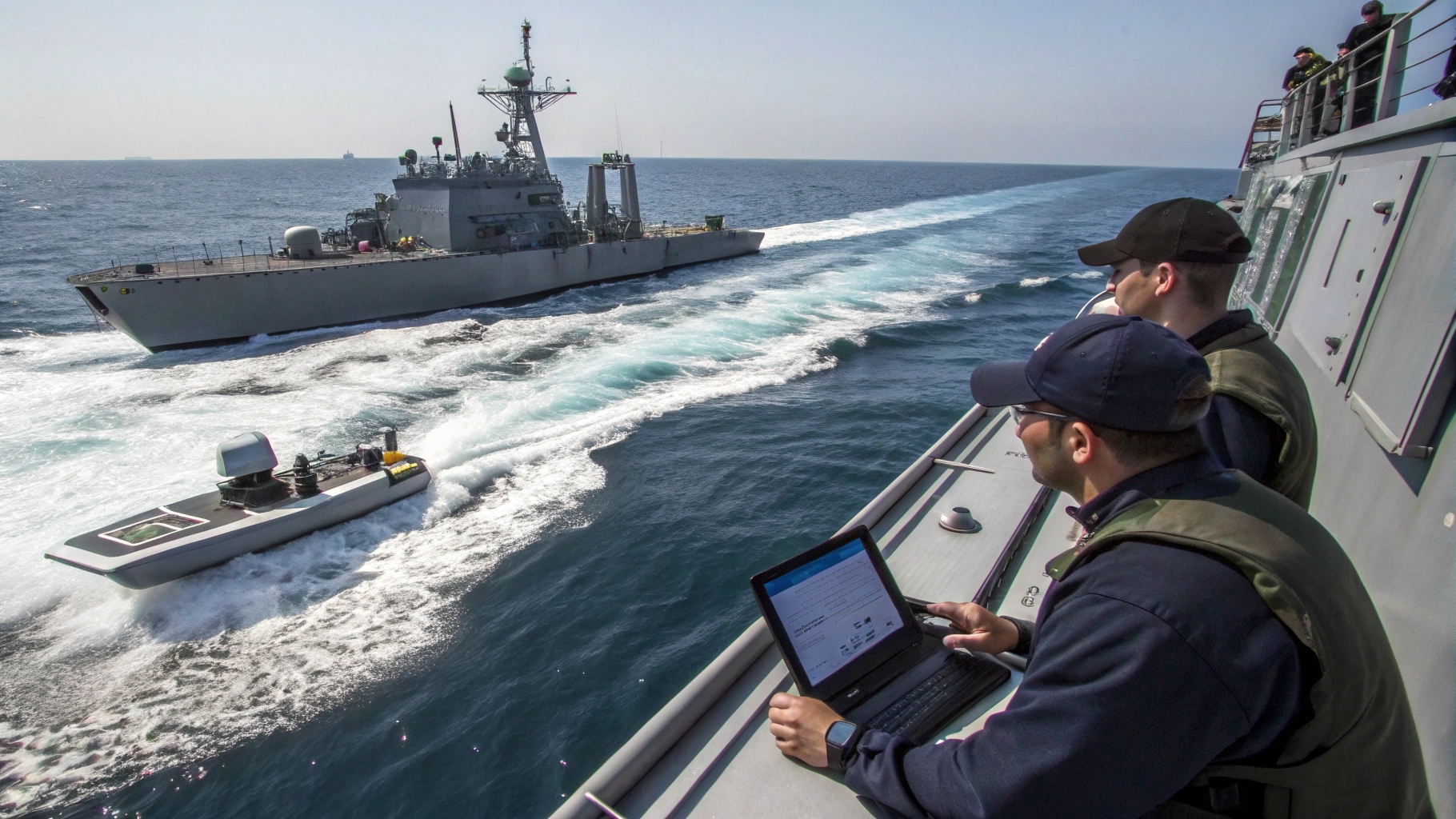
Shift Coastal Technologies has unveiled a new unmanned surface vehicle (USV) designed to extend autonomous maritime operations into hazardous littoral environments, where traditional crewed vessels face increased risk. The platform, known as the OceanSled Explorer, is intended to support a wide range of high-risk coastal and nearshore missions for both defense and commercial users.
Measuring 3.6 meters in length and weighing 280 kilograms, the OceanSled Explorer is engineered to carry payloads of up to 454 kilograms, providing substantial capacity despite its compact size. The USV is powered by up to three high-capacity rechargeable battery systems and is designed to operate reliably in harsh conditions, including temperatures reaching 40°C (104°F).
Optimized for surf zones, estuaries, and riverine environments, the Explorer delivers a top speed of 6 knots while maintaining precise control in complex and dynamic coastal waters. Its agile design allows it to navigate challenging littoral terrain where wave action, shallow depths, and obstacles typically limit conventional surface platforms.
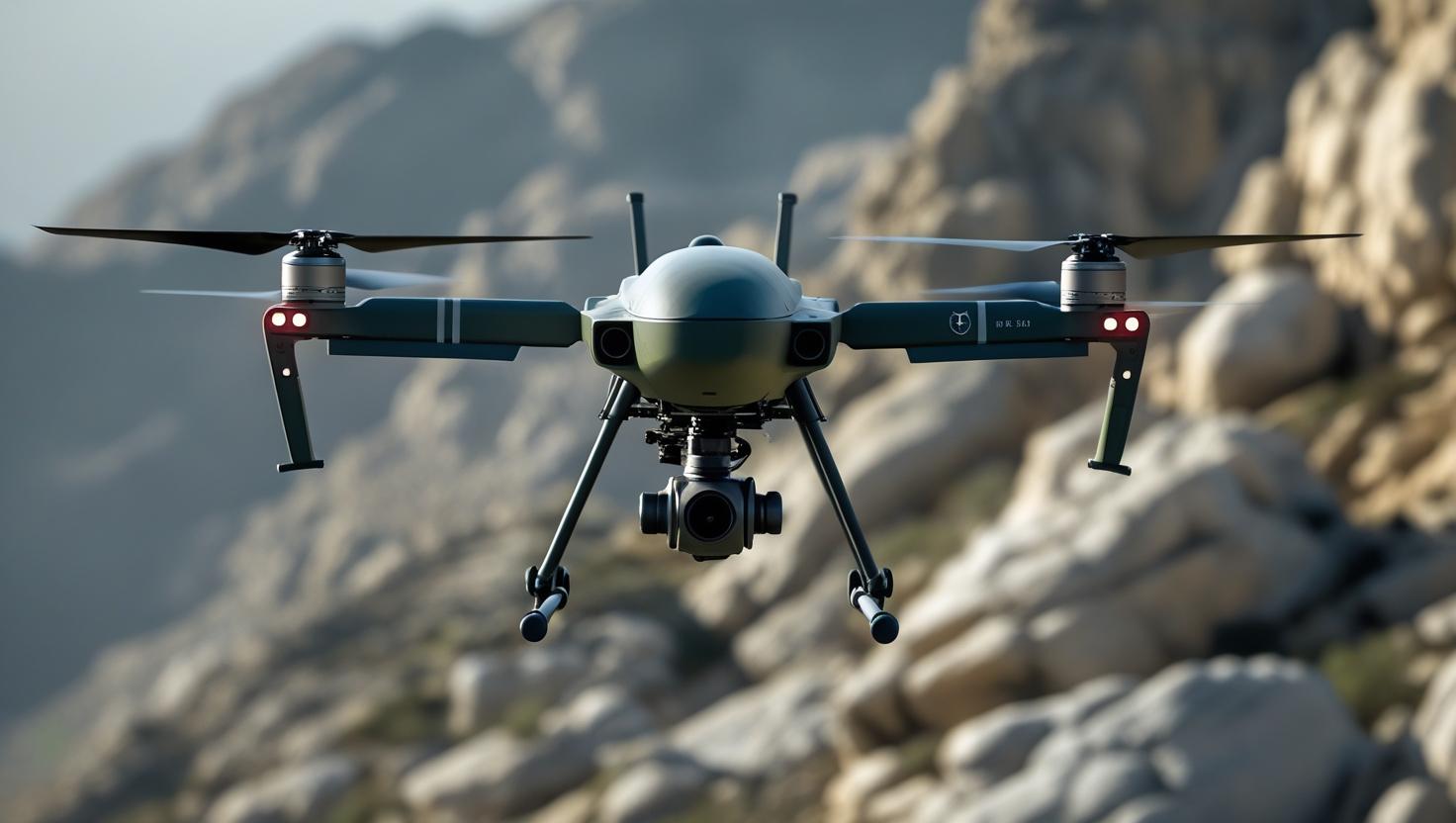
The USV is equipped with advanced sensor suites, real-time data links, and two-way voice communications, enabling continuous monitoring and enhanced situational awareness. Mission profiles include intelligence, surveillance, and reconnaissance (ISR), port and maritime security, infrastructure and asset inspection, and sonar-based mapping operations.
Additional capabilities include digital twinning, high-resolution imagery collection, and support for ship-to-ship and ship-to-shore logistics in both classified and unclassified operational settings. A modular payload architecture allows rapid reconfiguration, making the OceanSled Explorer adaptable to evolving mission requirements across commercial and military applications.