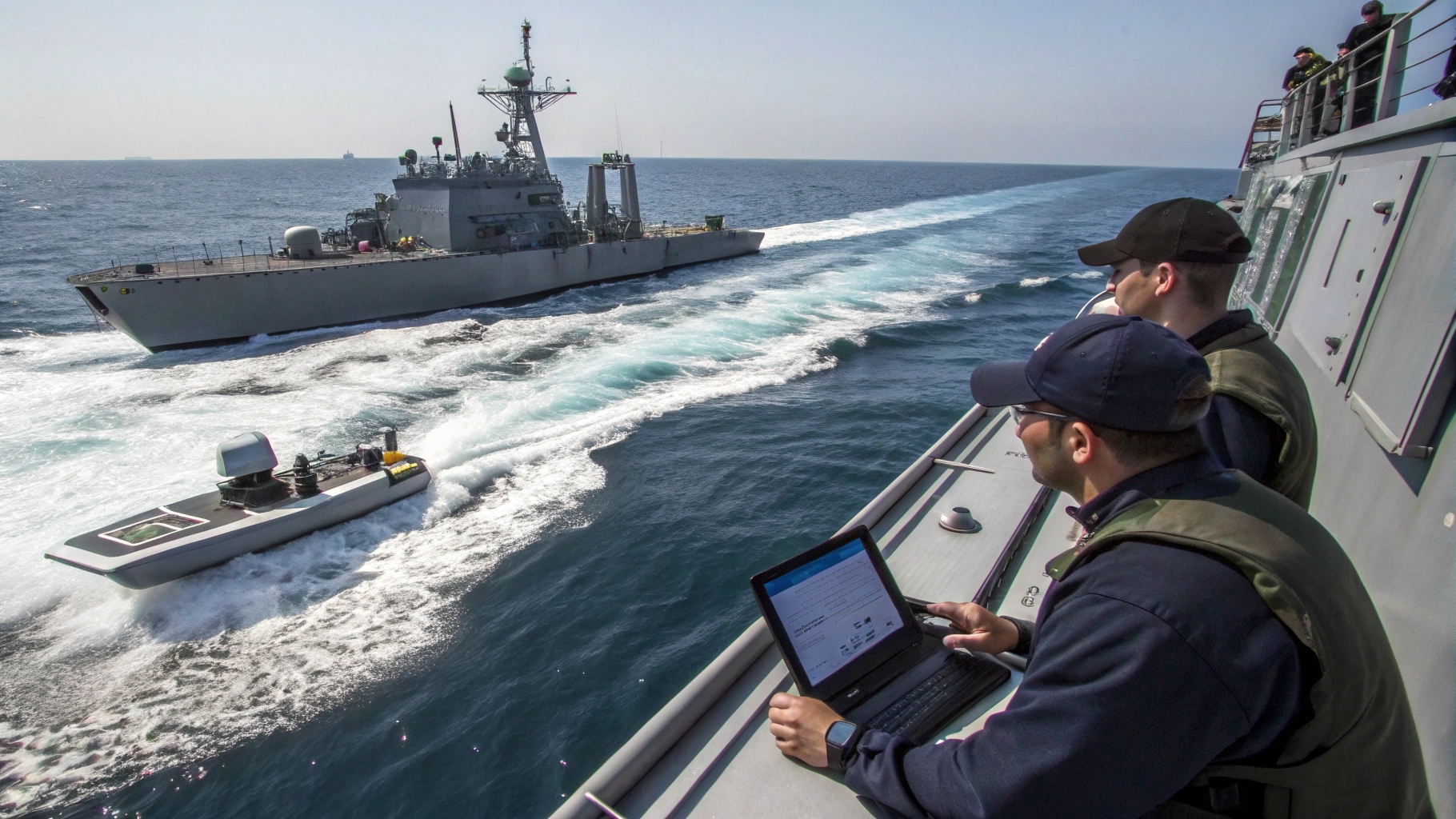

The Royal Navy has unveiled plans to acquire 20 uncrewed surface vessels (USVs) as part of its ambitious effort to transform into a hybrid fleet combining manned and unmanned platforms. The procurement falls under Project Beehive, which will see the vessels initially acquired at Technology Readiness Level (TRL) 4/5 and refined through spiral development to boost their capabilities over time.
Each vessel will be built with an open-architecture design, allowing seamless integration of future upgrades and emerging technologies. This approach ensures the platforms remain relevant in high-threat environments and adaptable for future warfare requirements. The uncrewed ships will also act as testbeds for innovation, helping the Royal Navy gather real-world operational insights to refine next-generation maritime systems.
Most of the project activities will take place across southern and southwestern UK regions, under a £10 million ($13 million) contract. The announcement closely follows the Royal Navy’s demonstration of five remotely piloted boats escorting a warship off Scotland, where Rattler-class rigid inflatable boats operated from 500 miles (805 km) away using advanced autonomy systems and communication networks.
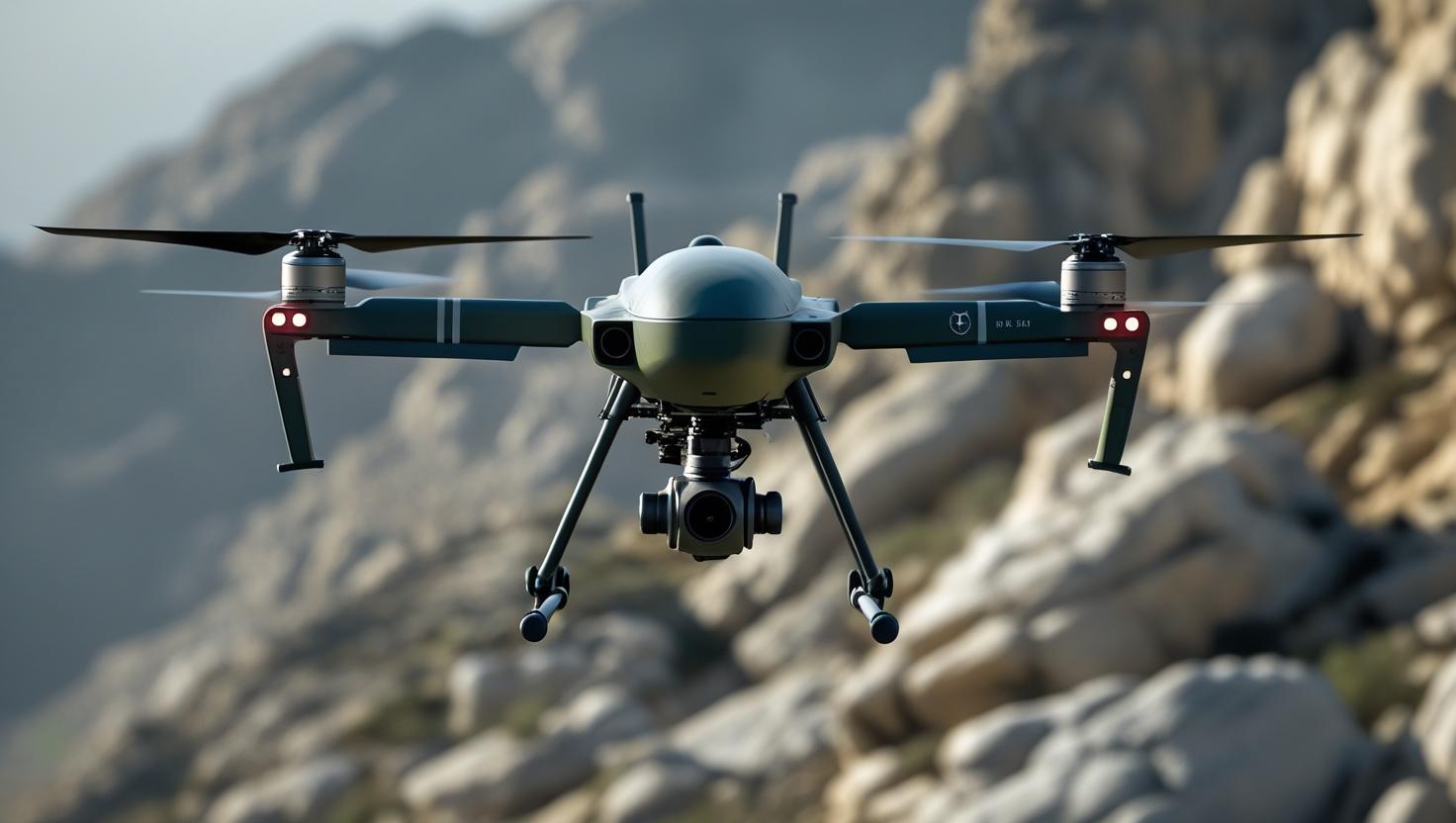
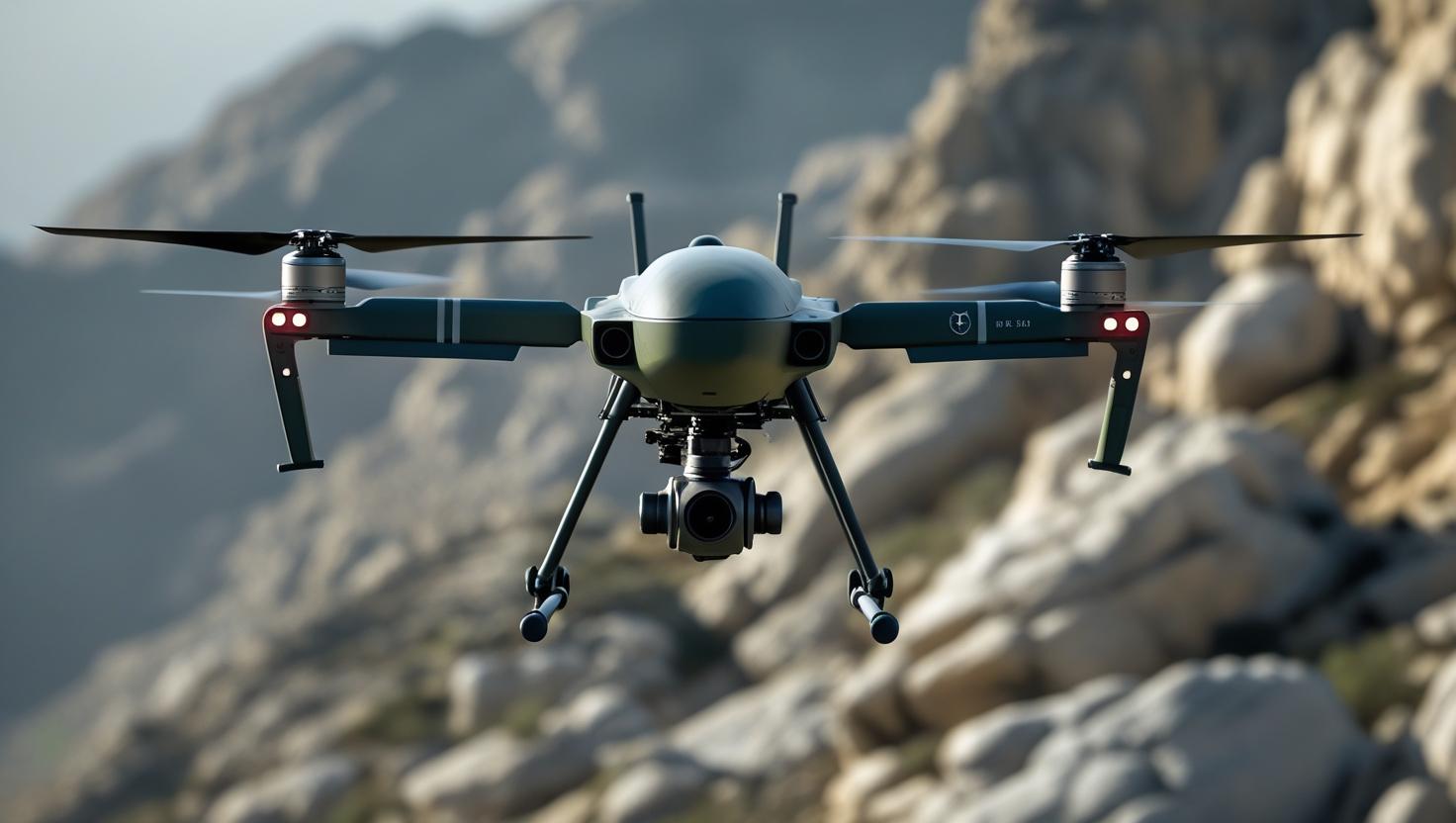
This initiative marks a major milestone in the UK’s naval modernization. The Royal Navy aims to deploy uncrewed escort vessels to support its Type 26 frigates and new submarines in the North Atlantic, capable of independent surveillance and engagement missions. Looking ahead, the Navy also plans to launch jet-powered drones from its Queen Elizabeth-class aircraft carriers next year—signaling the start of a new hybrid era in maritime defense.