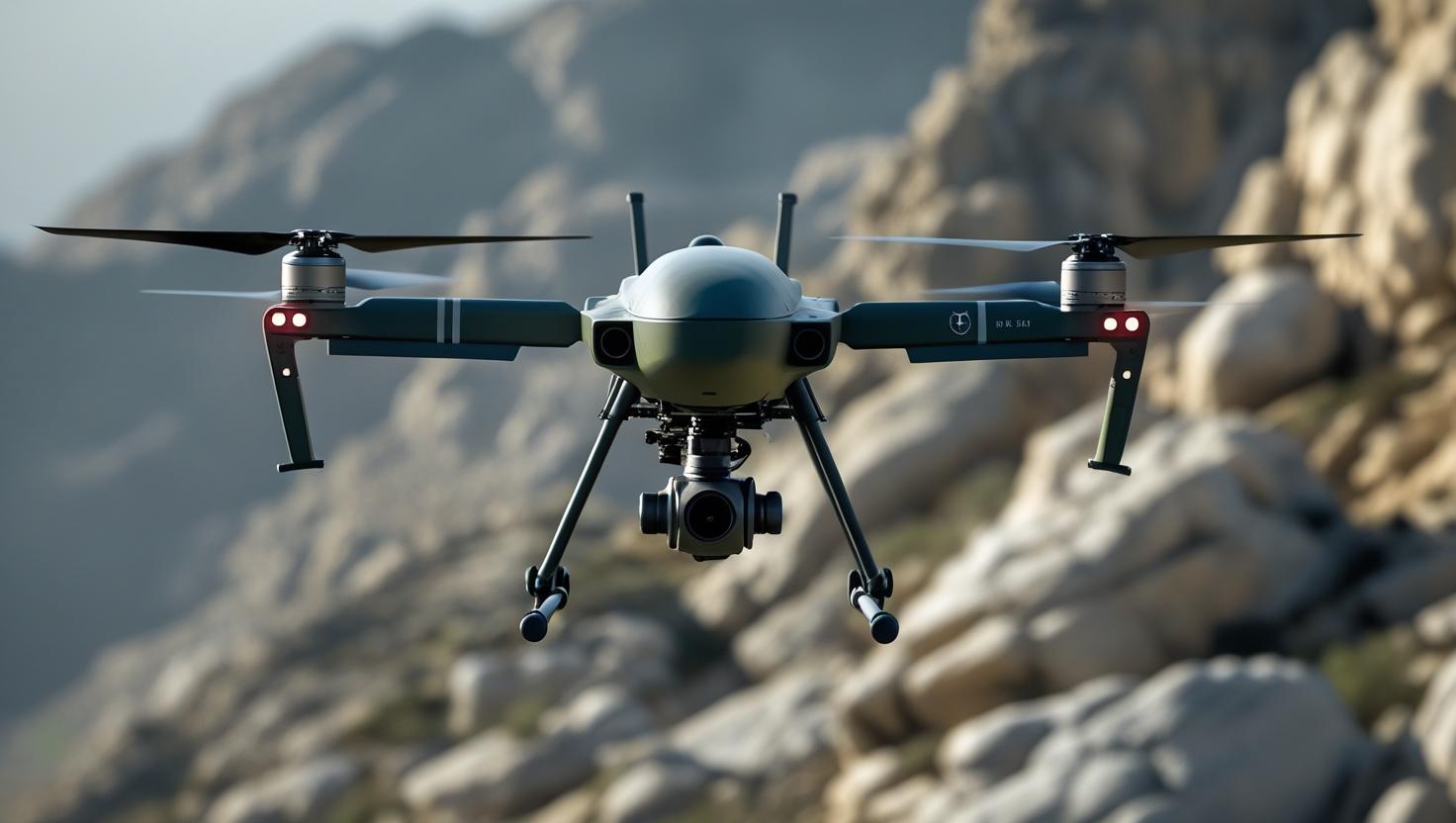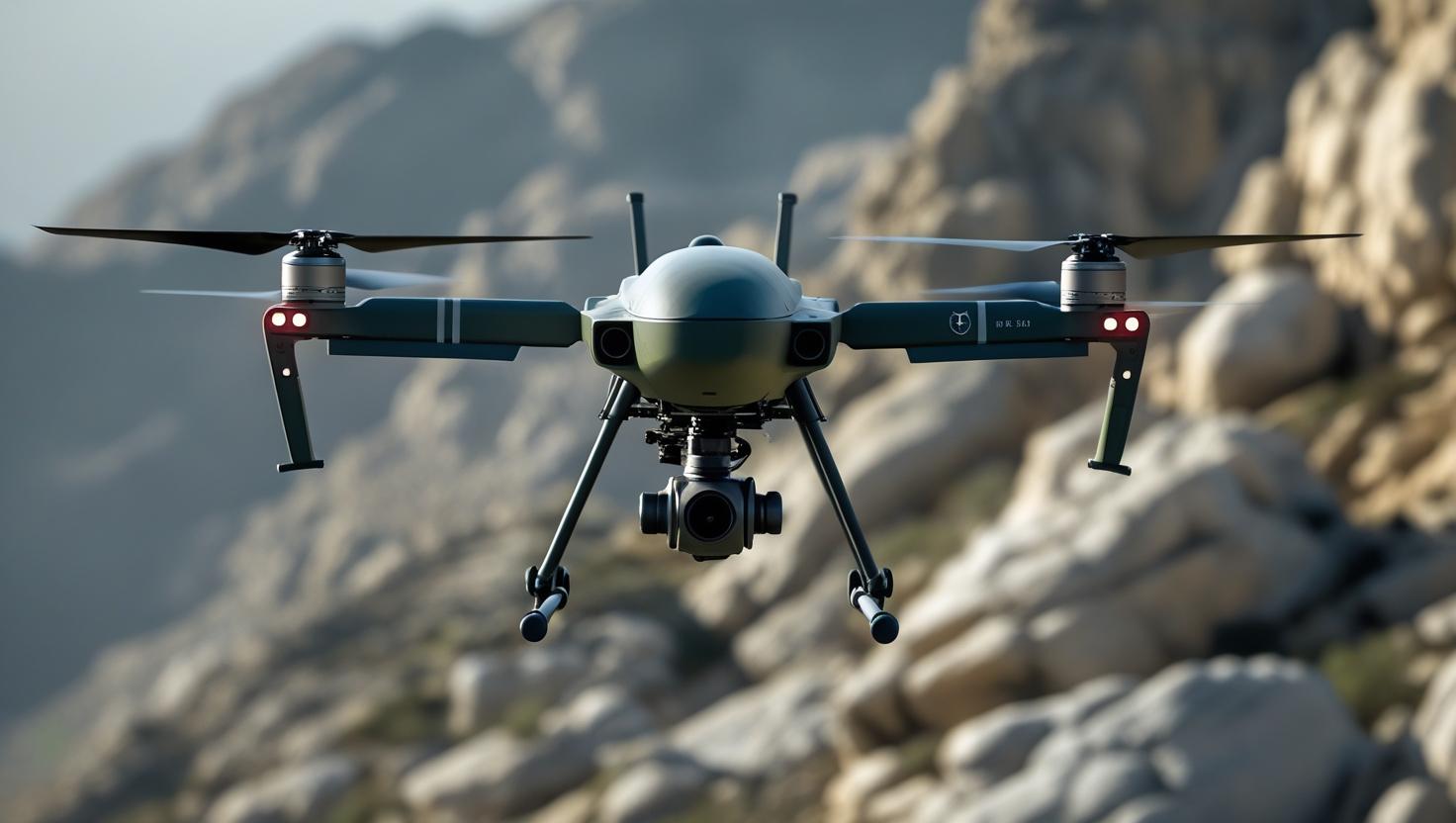

The 2nd Marine Logistics Group has developed the US Marine Corps’ first fully NDAA-compliant 3D-printed unmanned aerial system, marking a significant milestone in the service’s push toward secure, domestically produced drones. The platform, known as HANX, is designed to meet strict National Defense Authorization Act requirements, ensuring resistance to embedded backdoors in electronic components and making it suitable for deployment across all Marine units.
The drone was conceived, designed, and built at the II Marine Expeditionary Force (MEF) Innovation Campus, which focuses on enabling in-house production of modular, low-cost unmanned systems. By using only NDAA-compliant components, the program reduces reliance on external contractors while giving Marines direct control over drone design, assembly, and modification based on operational needs.
HANX received flight authorization from the Small Unmanned Aerial Systems (SUAS) Program Office at Naval Air Systems Command (NAVAIR) after more than 1,000 hours of design, assembly, and testing. Following approval, the Innovation Campus established a standardized framework that allows any Marine unit to manufacture, maintain, and deploy the 3D-printed drone using common tools and digital design files.
Built around a modular architecture, HANX can be rapidly reconfigured for missions ranging from reconnaissance and logistics support to one-way attack roles. The initiative supports the US military’s broader “drone dominance” strategy, which includes a recent $1 billion Pentagon initiative aimed at producing approximately 300,000 low-cost drones over two years, strengthening domestic manufacturing and reducing dependence on foreign supply chains.