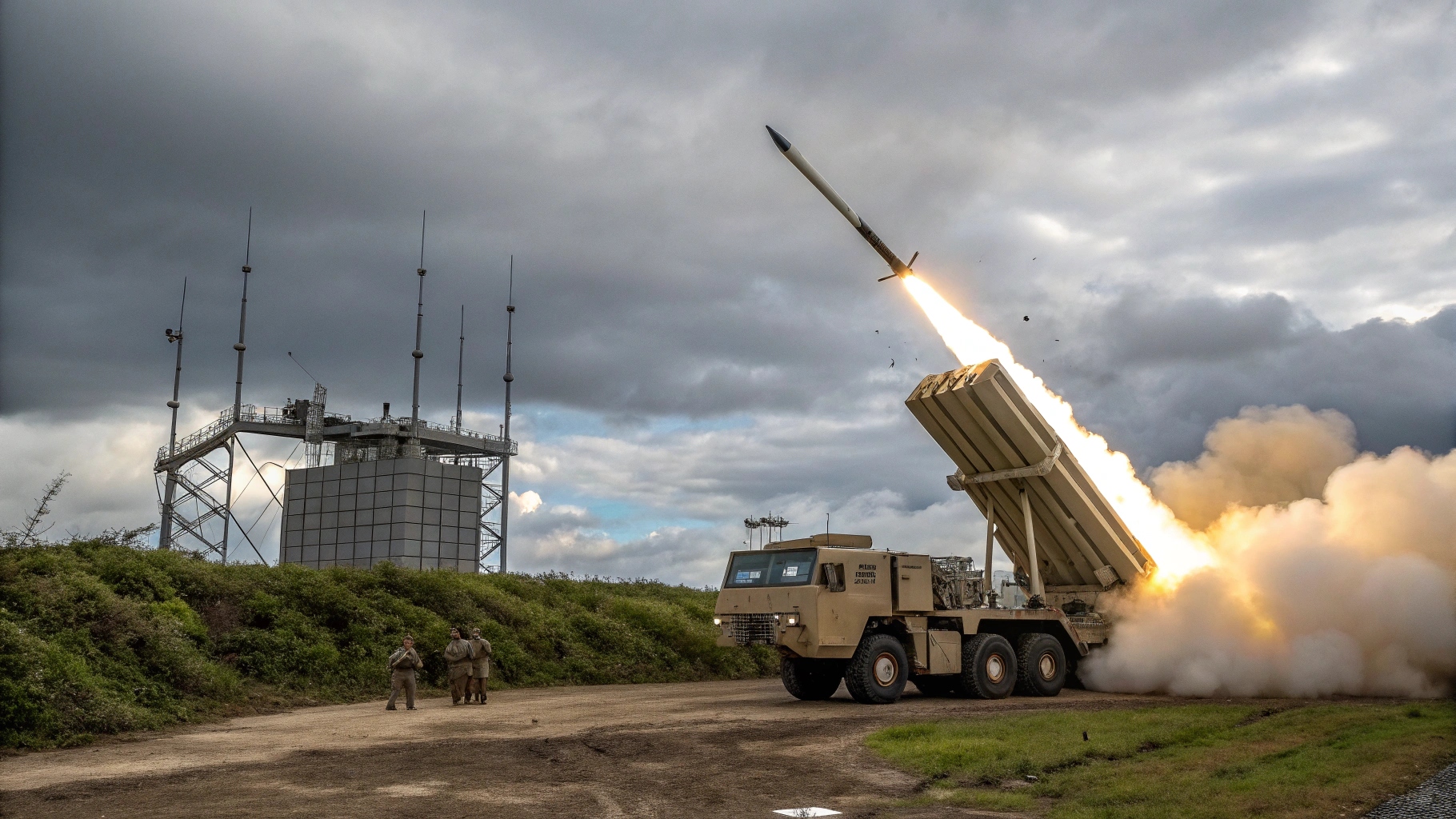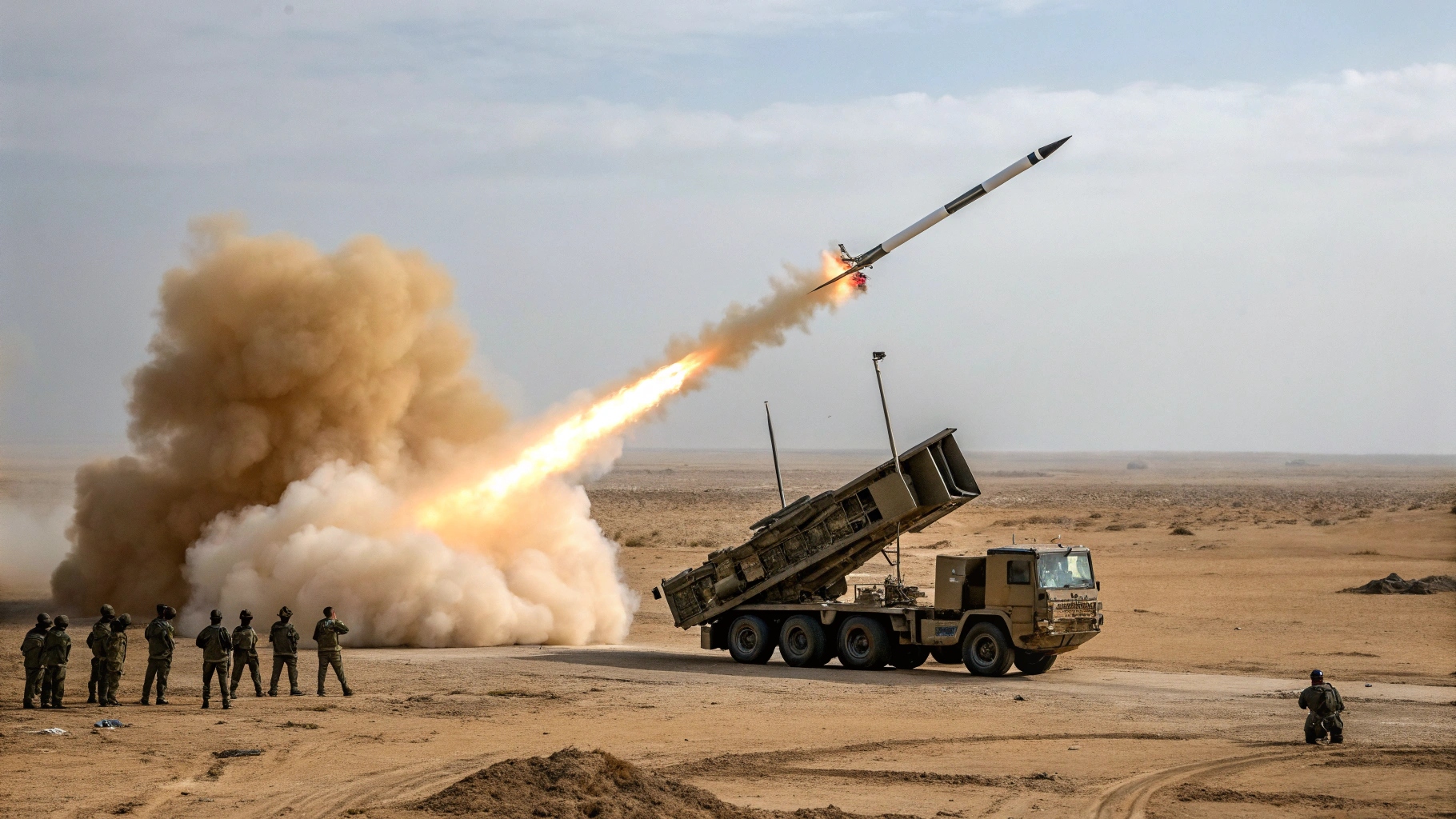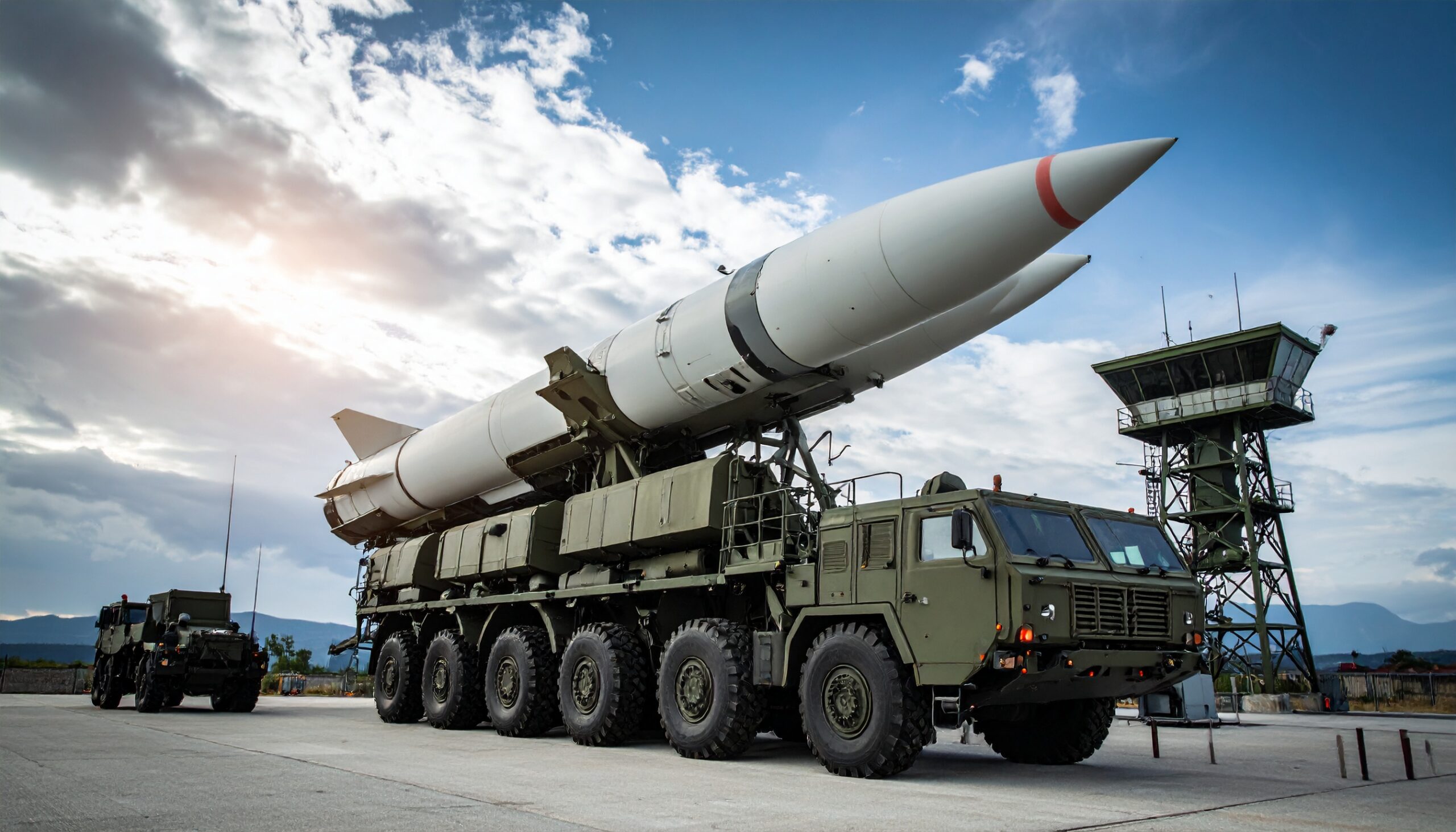
The Chinese People’s Liberation Army Navy (PLAN) unveiled the JL-3 submarine-launched ballistic missile (SLBM) for the first time during Beijing’s Victory Day military parade, marking a milestone in China’s nuclear modernization. The display highlighted the nation’s growing confidence in its sea-based nuclear deterrent and its determination to strengthen the undersea component of its strategic triad.
The JL-3 represents nearly twenty years of development and succeeds the earlier JL-2 system, offering major improvements in range, survivability, and warhead delivery. With an estimated strike distance of 9,000 to 12,000 kilometers, the missile can now reach targets across the continental United States from patrols deep in the South China Sea, beyond the reach of most Western anti-submarine warfare (ASW) assets.
The weapon is intended for deployment aboard the Type 094A and future Type 096 nuclear ballistic missile submarines (SSBNs). It incorporates solid-fuel propulsion, advanced guidance, and multiple independently targetable reentry vehicles (MIRVs), allowing it to engage multiple targets while evading U.S. missile defense systems such as the Ground-based Midcourse Defense (GMD). Analysts estimate each missile could carry three to five warheads, or a mix of warheads and penetration aids.
By showcasing the JL-3, China has moved away from strategic ambiguity, signaling that its SLBM force is operational and capable of global deterrence. Unlike the JL-2, which was limited in scope, the JL-3 places China alongside the United States and Russia, whose Trident II D5 and RSM-56 Bulava dominate the world’s SLBM capabilities.