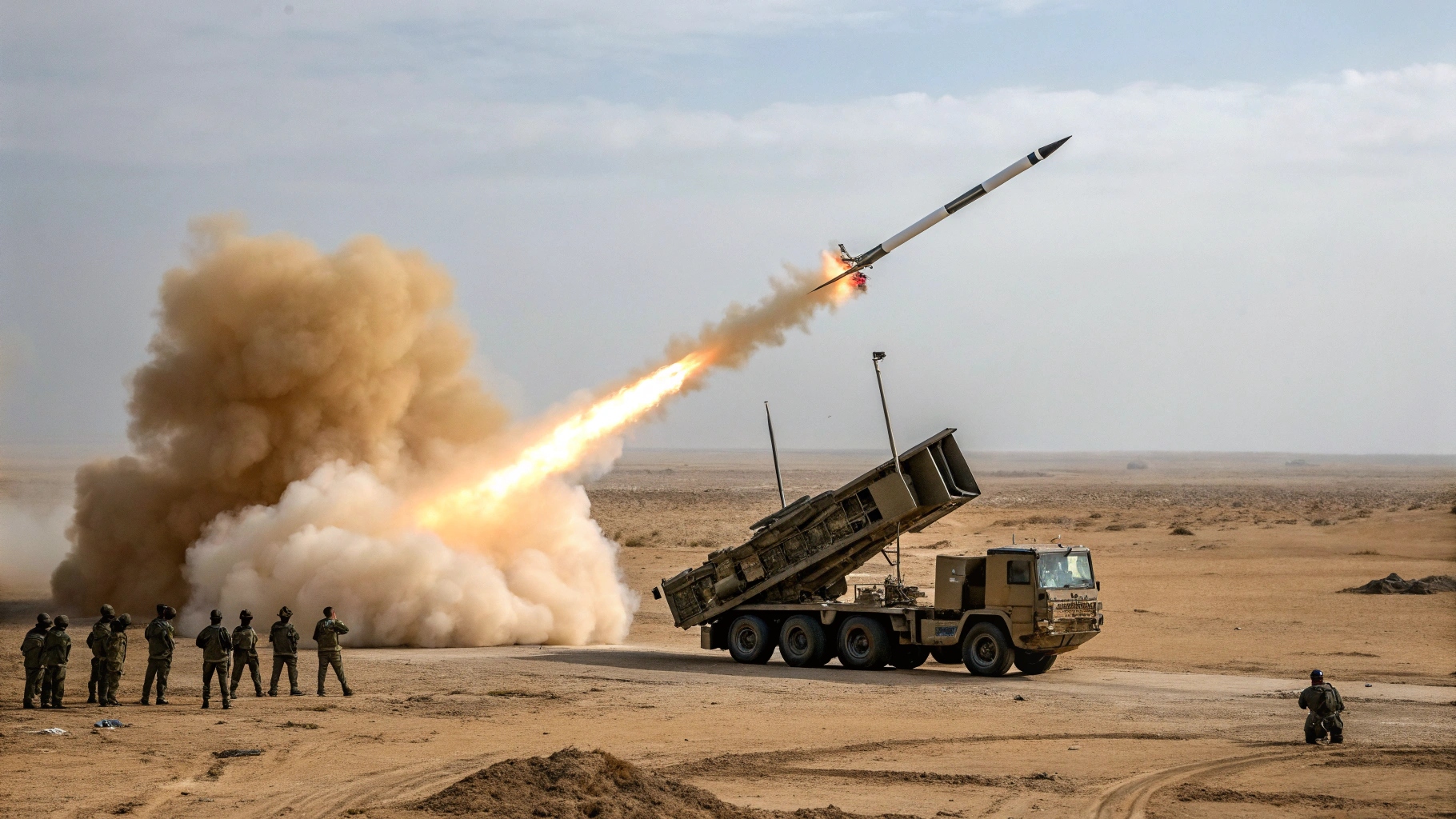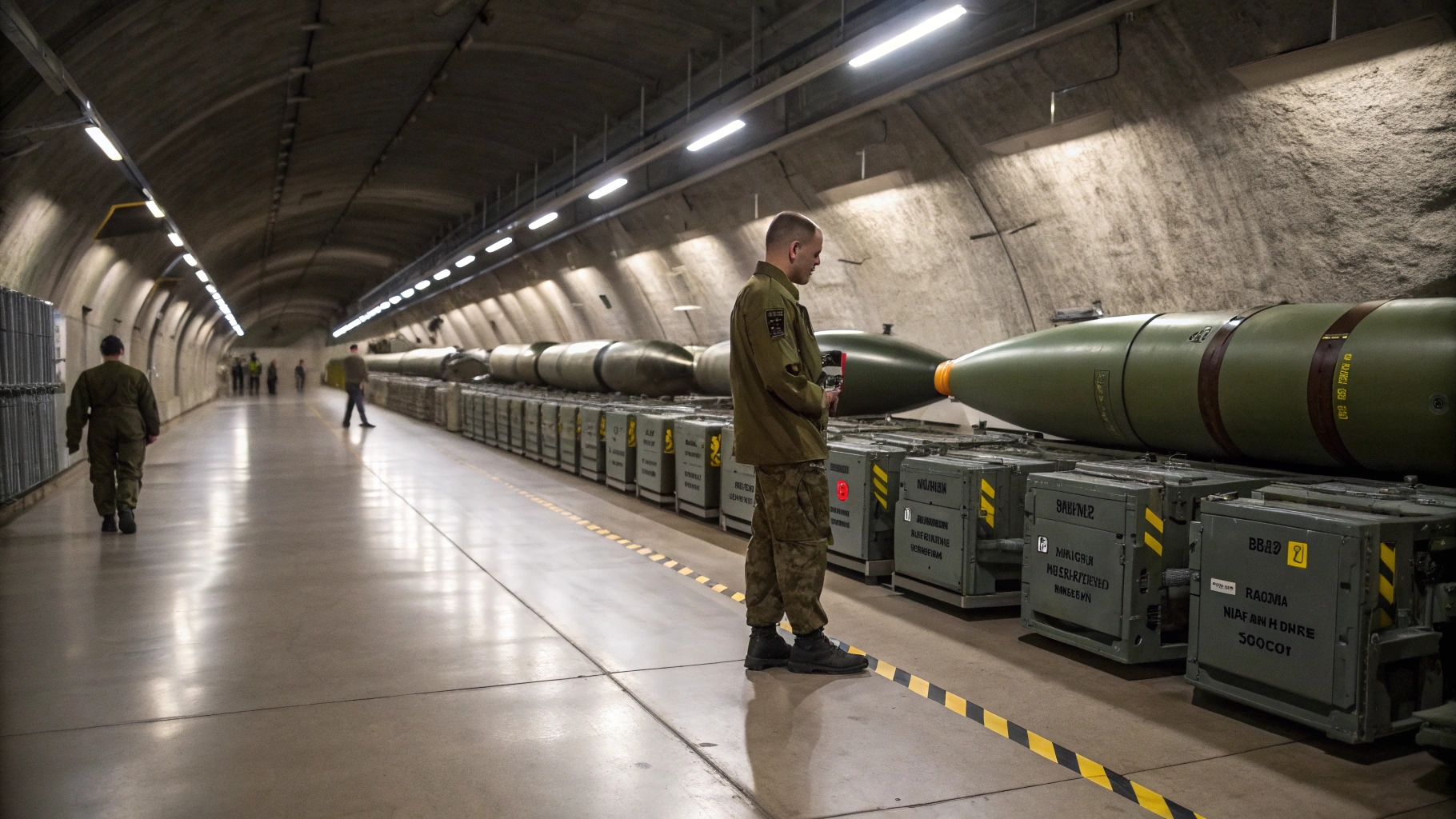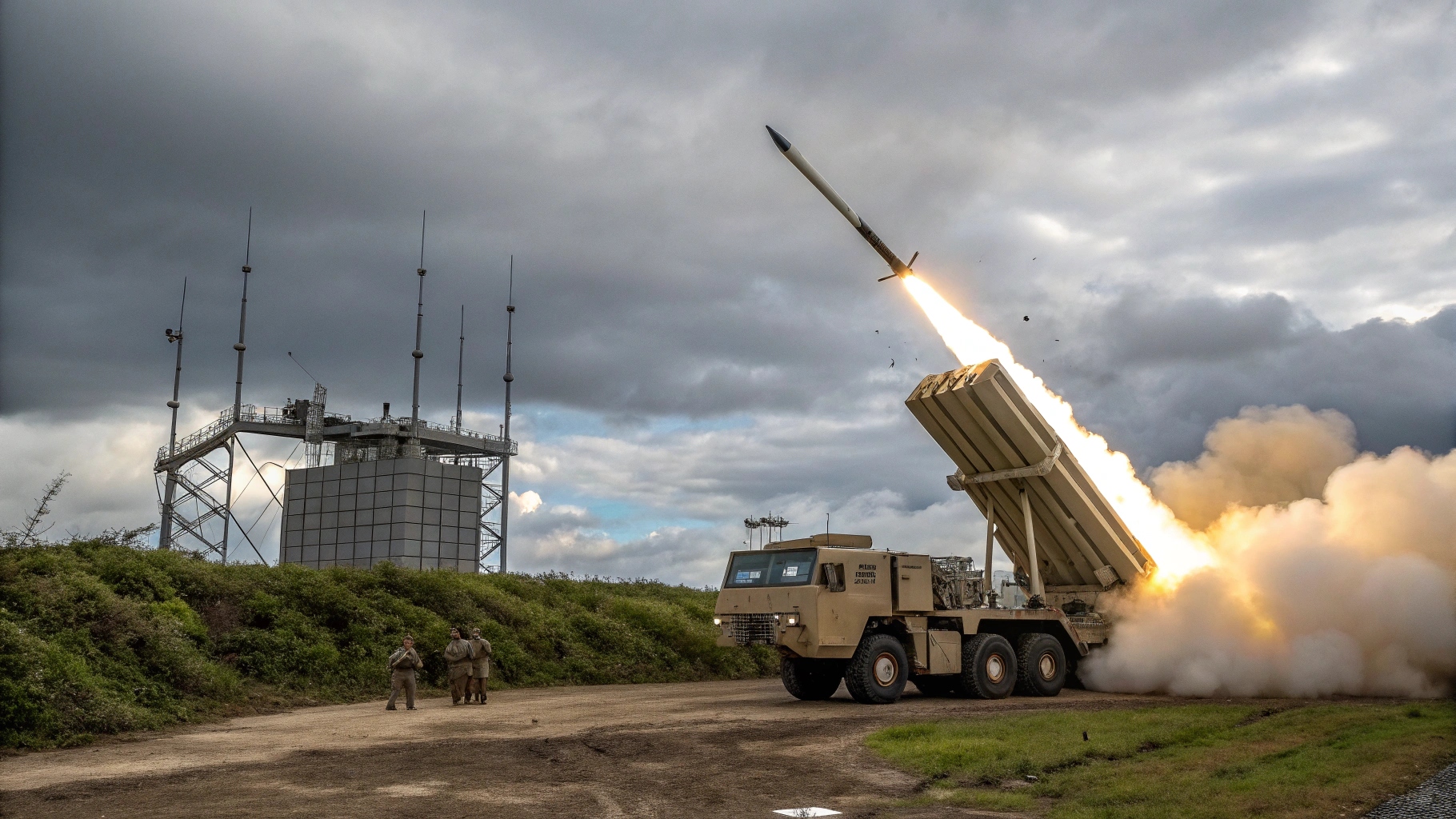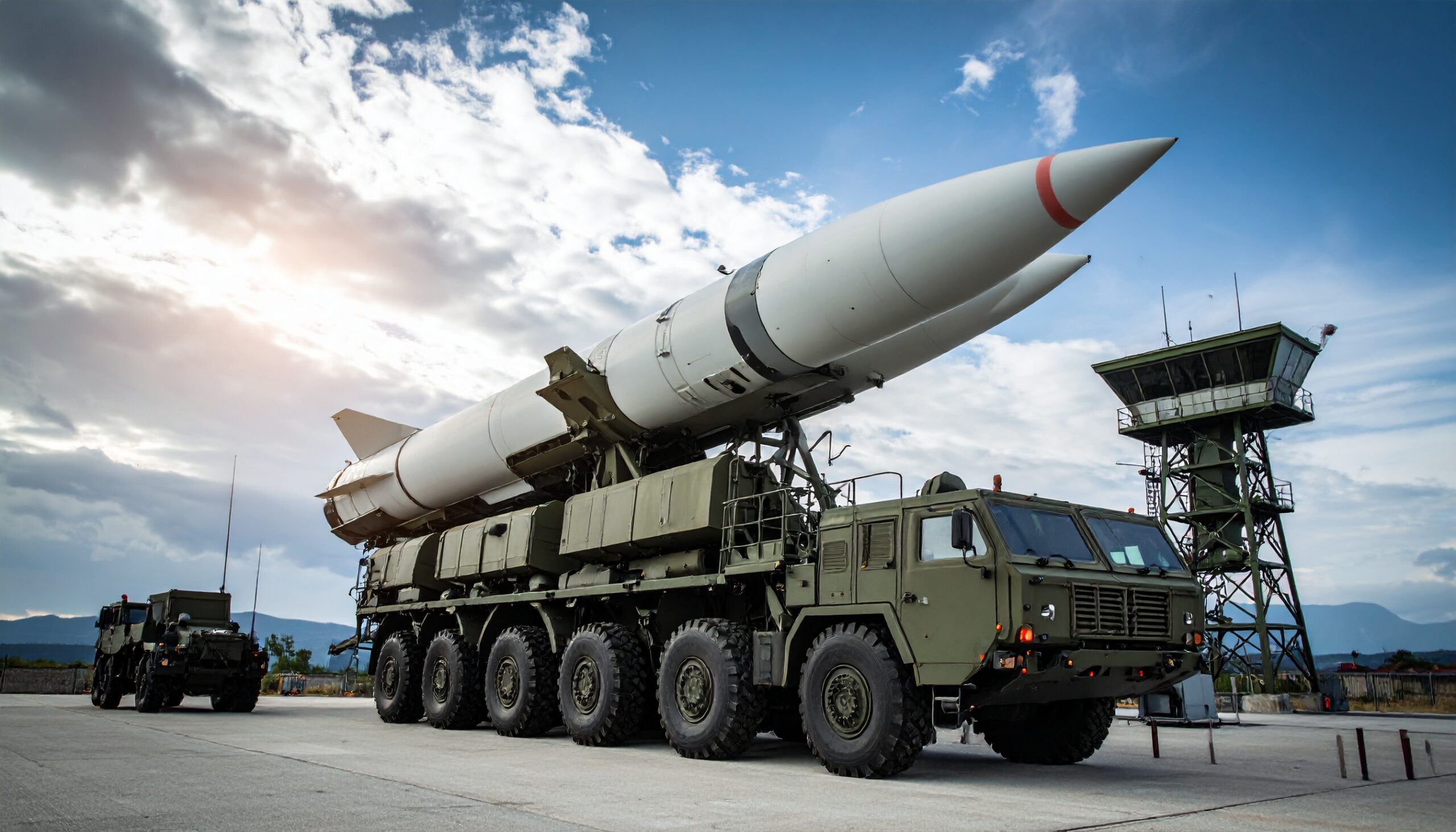
Turkey has signed nearly $6.5 billion worth of defense contracts to accelerate the development of its multi-layered “Steel Dome” air defense architecture, according to local reports. Announced in 2024, the Steel Dome initiative is envisioned as Turkey’s equivalent to Israel’s Iron Dome, integrating artificial intelligence to counter a wide range of aerial threats at different altitudes and distances. The system’s structure involves 47 interconnected components, including radars, interceptors, command nodes, and electro-optical systems forming a unified defensive network.
Turkish defense officials emphasize that the Steel Dome will be built entirely using indigenous technologies, aligning with the nation’s long-term strategic goal of defense self-sufficiency. The program has gained heightened importance amid rising geopolitical tensions in the Middle East and surrounding regions, including ongoing conflicts involving Israel, Iran, Syria, Lebanon, and the prolonged war between Russia and Ukraine. These threats have pushed Ankara to accelerate investment in advanced air and missile defense systems.
Prior to the latest investment, Turkey had already received over $460 million in system components earlier this year. These deliveries included Hisar O 100 and Siper long-range air defense missiles, Alp 300-G and 100-G radar systems, Puhu and Redet electronic warfare assets, and Korkut short-range air defense vehicles. Collectively, the components form critical building blocks for the Steel Dome’s layered defense model.
The program reflects Turkey’s broader goal of reducing reliance on foreign defense suppliers—from nearly 80 percent in the early 2000s to under 20 percent today. This shift has been supported by the rapid growth of its defense industry, led by armed drones and next-generation missile systems. In 2024, Turkish defense exports reached $7.15 billion, rising from $5.5 billion in 2023, with projections exceeding $8 billion for 2025, demonstrating Ankara’s expanding global defense footprint.