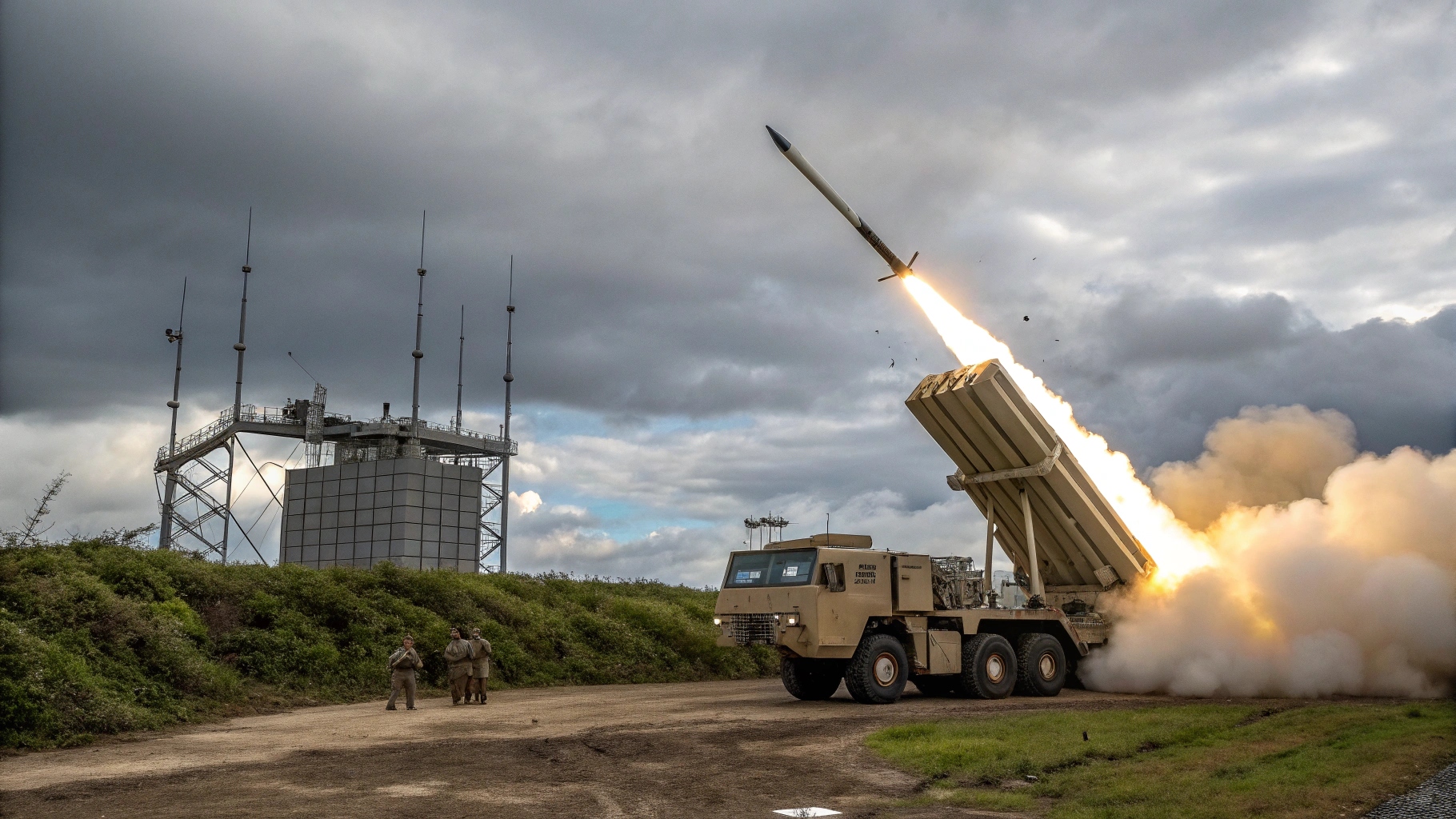
Japan has begun discreet discussions with the Philippines on a potential transfer of the Type 03 Chu-SAM medium-range air defense system, signaling a major shift in Tokyo’s long-standing restrictions on exporting lethal weaponry. If approved under Japan’s upcoming export rule overhaul, the deal would represent one of Japan’s most consequential steps toward becoming a more active security provider in the Indo-Pacific. For Manila, acquiring the Chu-SAM would significantly reinforce its air-defense posture amid persistent Chinese pressure in the South China Sea and West Philippine Sea.
According to Japanese and Philippine officials familiar with the talks, the dialogue remains informal but reflects mutual strategic interests as regional tensions intensify. The discussions come as Prime Minister Sanae Takaichi’s administration moves to eliminate the decades-old “five category” export limitation, which has allowed only non-lethal items such as rescue, transport, and surveillance equipment to be shipped abroad. A successful transfer would mark the first time Tokyo considers exporting a complete, lethal missile system to a foreign military.
Current export rules under Japan’s Three Principles on Transfer of Defense Equipment and Technology restrict full weapons systems from being sold overseas, except for licensed-production components returned to partner countries. Government policy papers and public statements in recent years have consistently reaffirmed these restrictions, even as Japan deepens defense industrial cooperation with the United States and European partners. However, growing regional instability and expanding security partnerships are now driving Tokyo to rethink longstanding constraints.
Should Japan approve the Chu-SAM transfer, it would reshape Japan’s defense-export profile, strengthen regional deterrence efforts, and further deepen the Japan–Philippines security relationship. Analysts say the move would also send a strong signal of Japan’s commitment to supporting like-minded partners facing coercion in the Indo-Pacific.