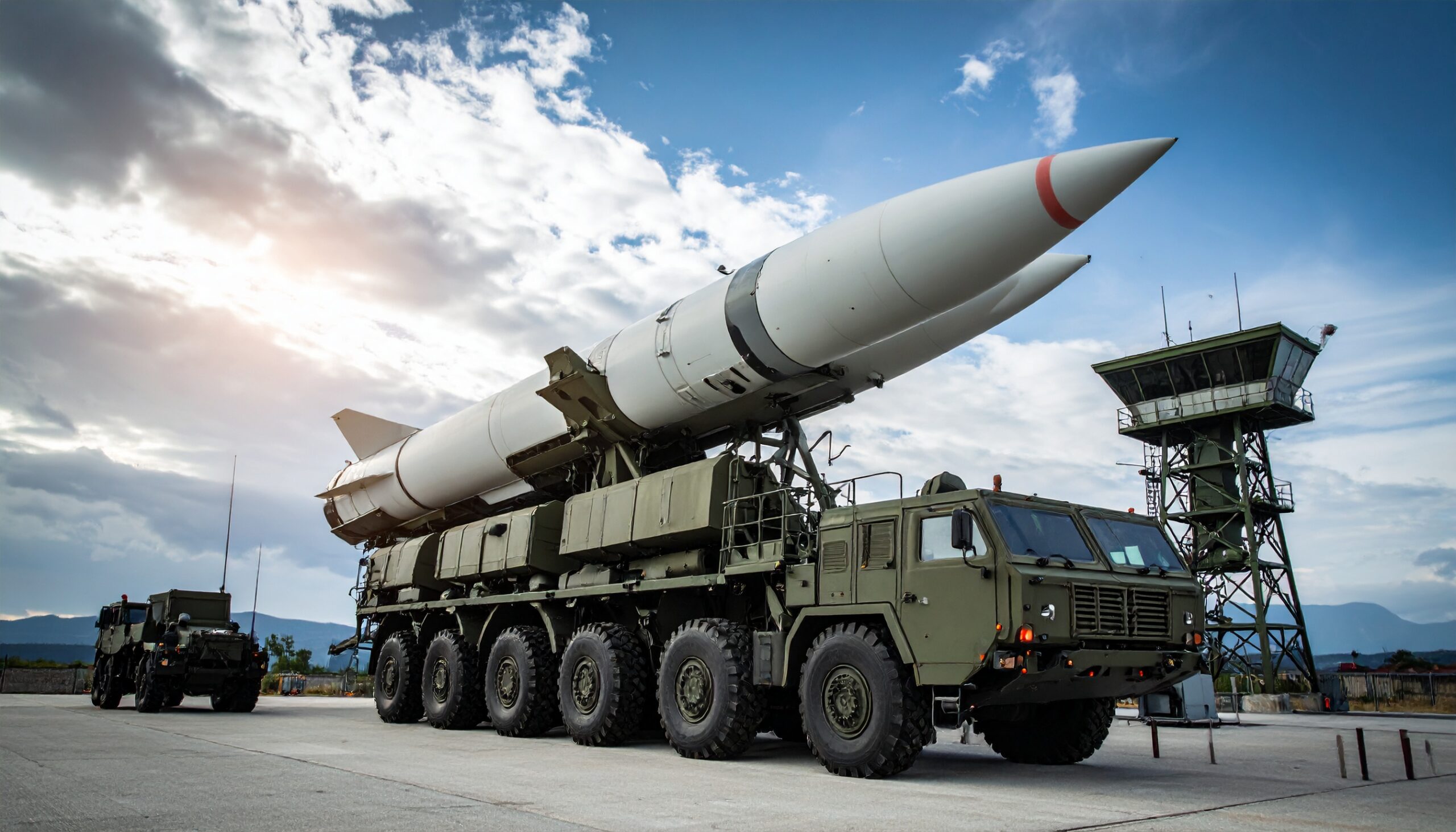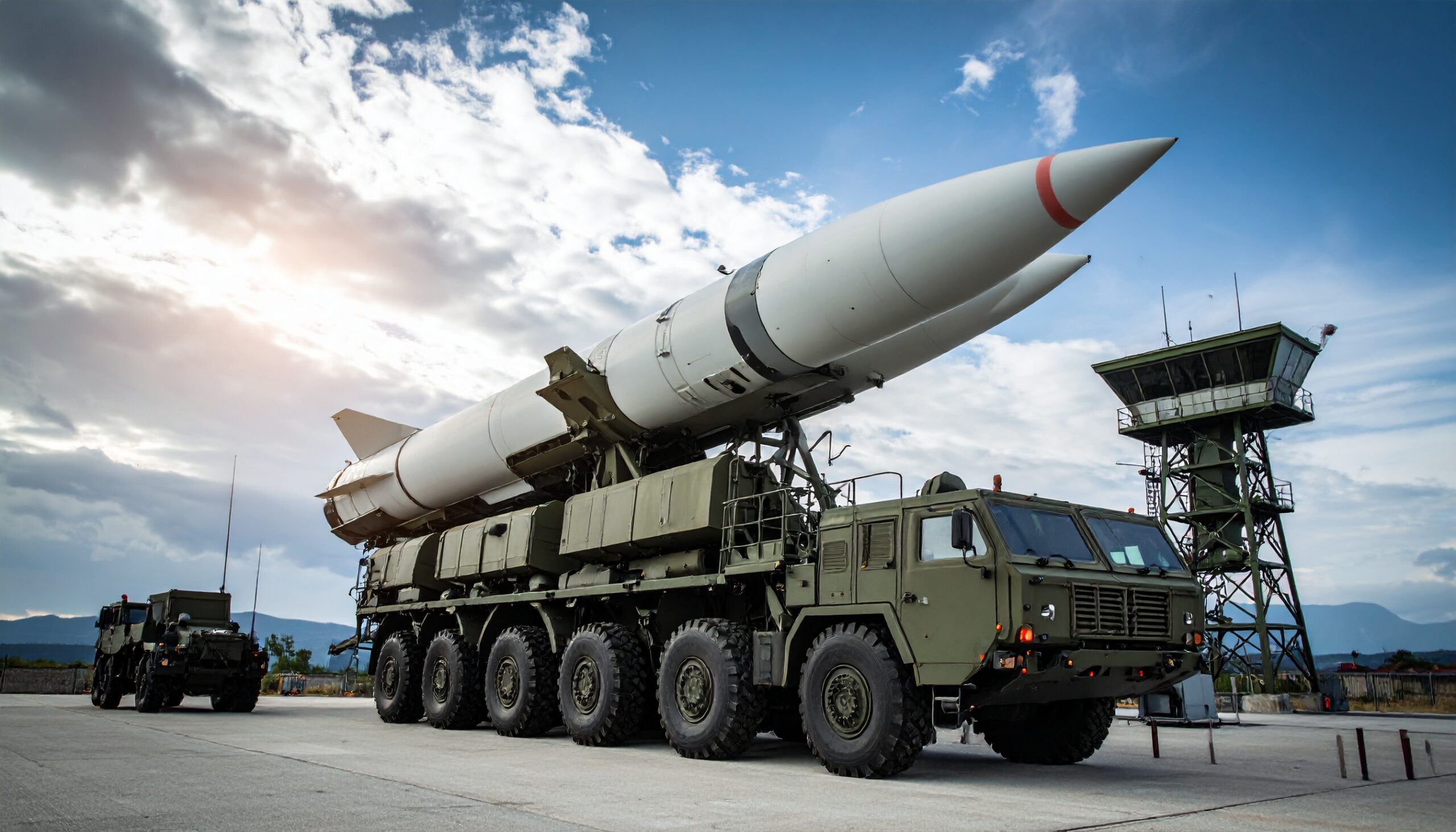
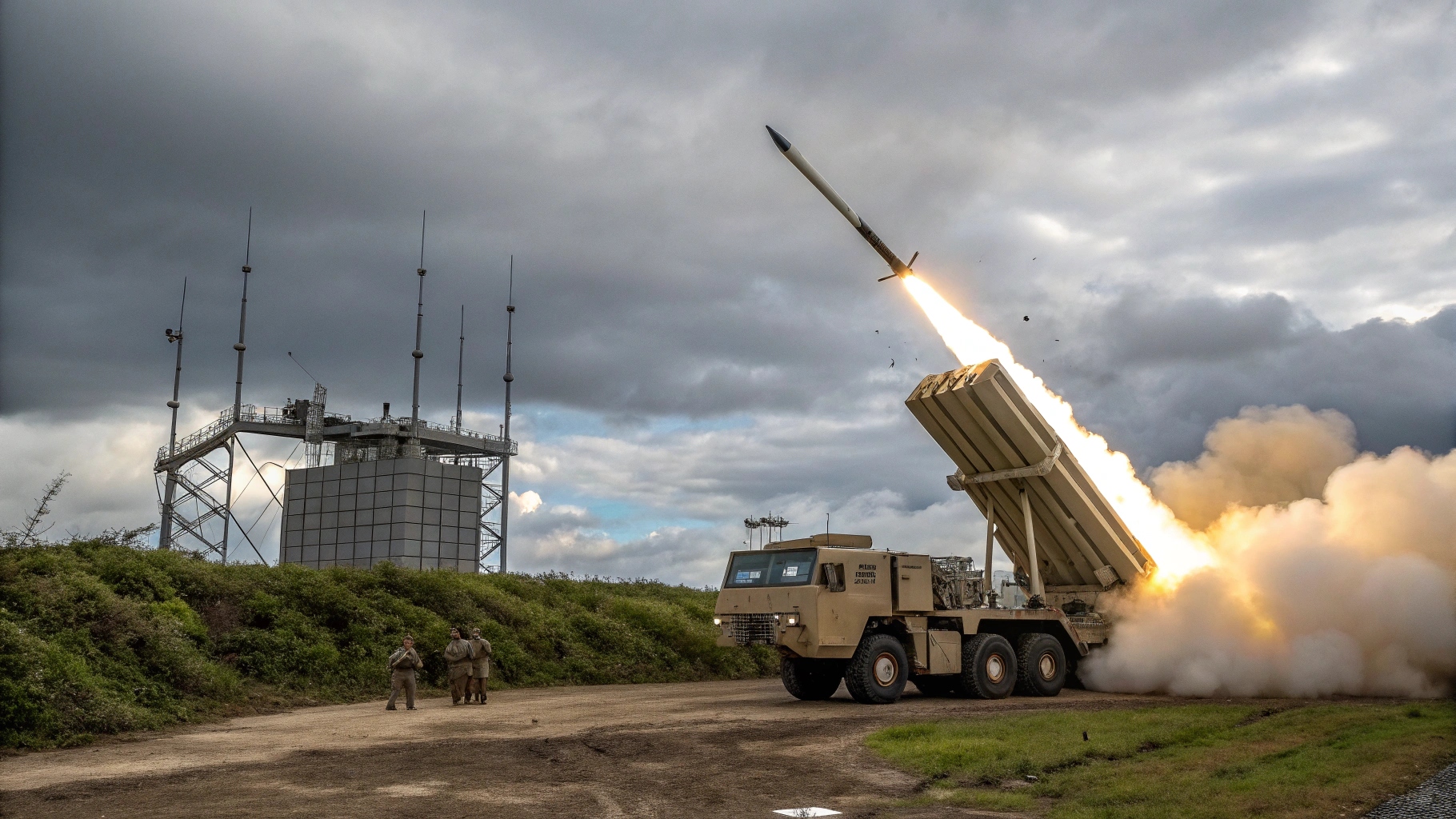
Lockheed Martin and the US Department of Defense have finalized a long-term framework agreement to sharply increase production of the Patriot PAC-3 Missile Segment Enhancement (MSE) interceptor, marking one of the most significant missile manufacturing expansions in recent years. Under the deal, annual PAC-3 MSE output is expected to rise from around 600 missiles to nearly 2,000 per year over the next seven years.
The agreement supports the Pentagon’s Acquisition Transformation Strategy, which aims to provide industry with predictable, long-term demand signals. Officials said the approach is intended to encourage manufacturers to invest in production capacity, workforce expansion, and supply-chain resilience. The strategy also introduces a collaborative financing model designed to maintain initial cash neutrality, allowing companies to scale output without assuming excessive upfront risk.
Despite the framework being signed, the planned production surge remains subject to congressional approval of additional FY 2026 funding. Pentagon officials noted that while there is broad conceptual alignment with lawmakers, the funding request is still under review. If approved, the agreement could serve as a template for similar long-term munitions contracts across the defense enterprise.
The PAC-3 MSE interceptor is a key element of the Patriot air and missile defense system, currently operated by 17 partner nations, including Poland, Bahrain, and Ukraine. Featuring a dual-pulse rocket motor, enhanced maneuverability, and advanced hit-to-kill technology, the missile is designed to counter ballistic, cruise, and hypersonic threats. Lockheed Martin has already increased PAC-3 MSE production by more than 60 percent over the past two years and continues to expand capacity through advanced manufacturing and supplier diversification.