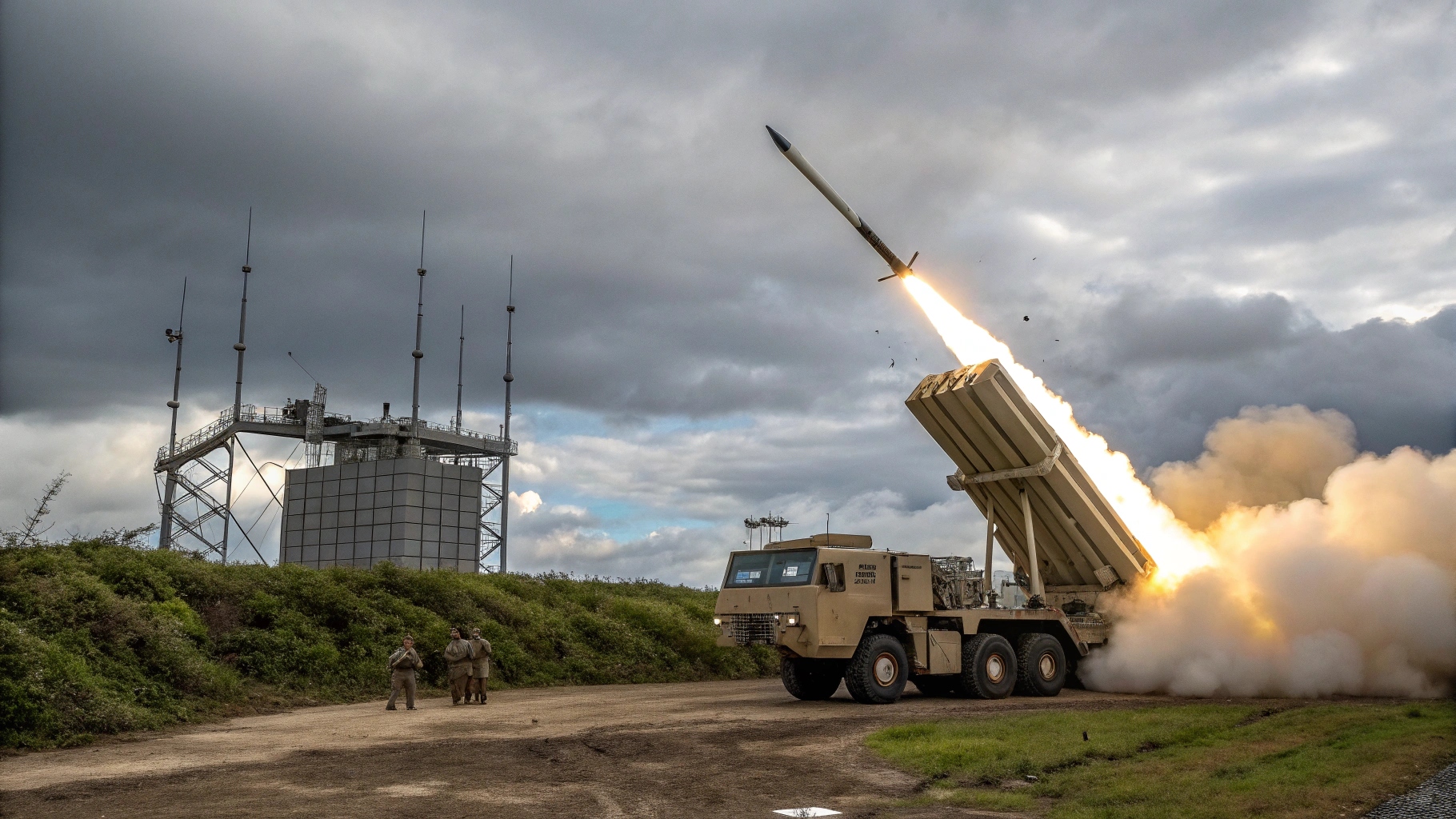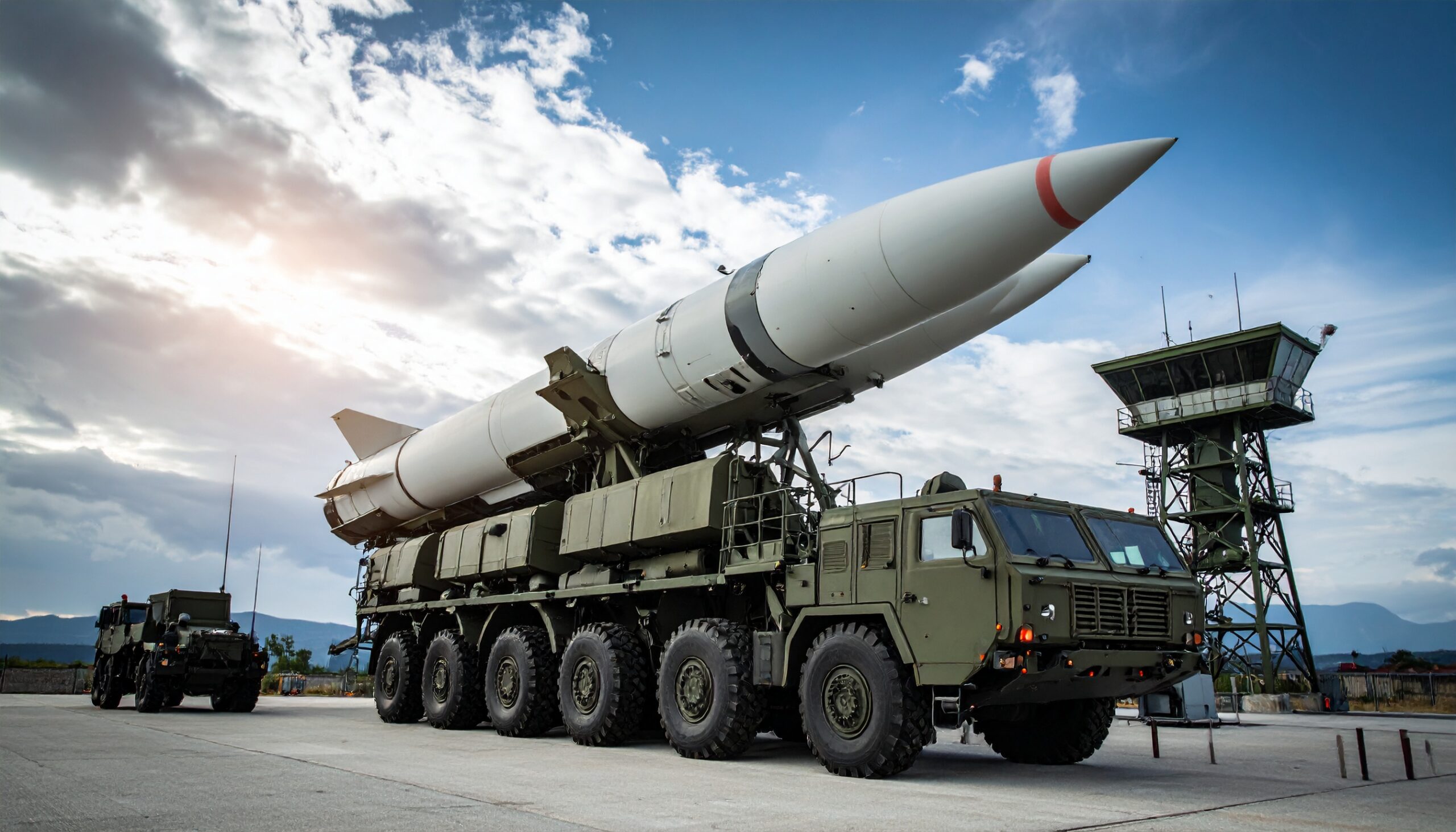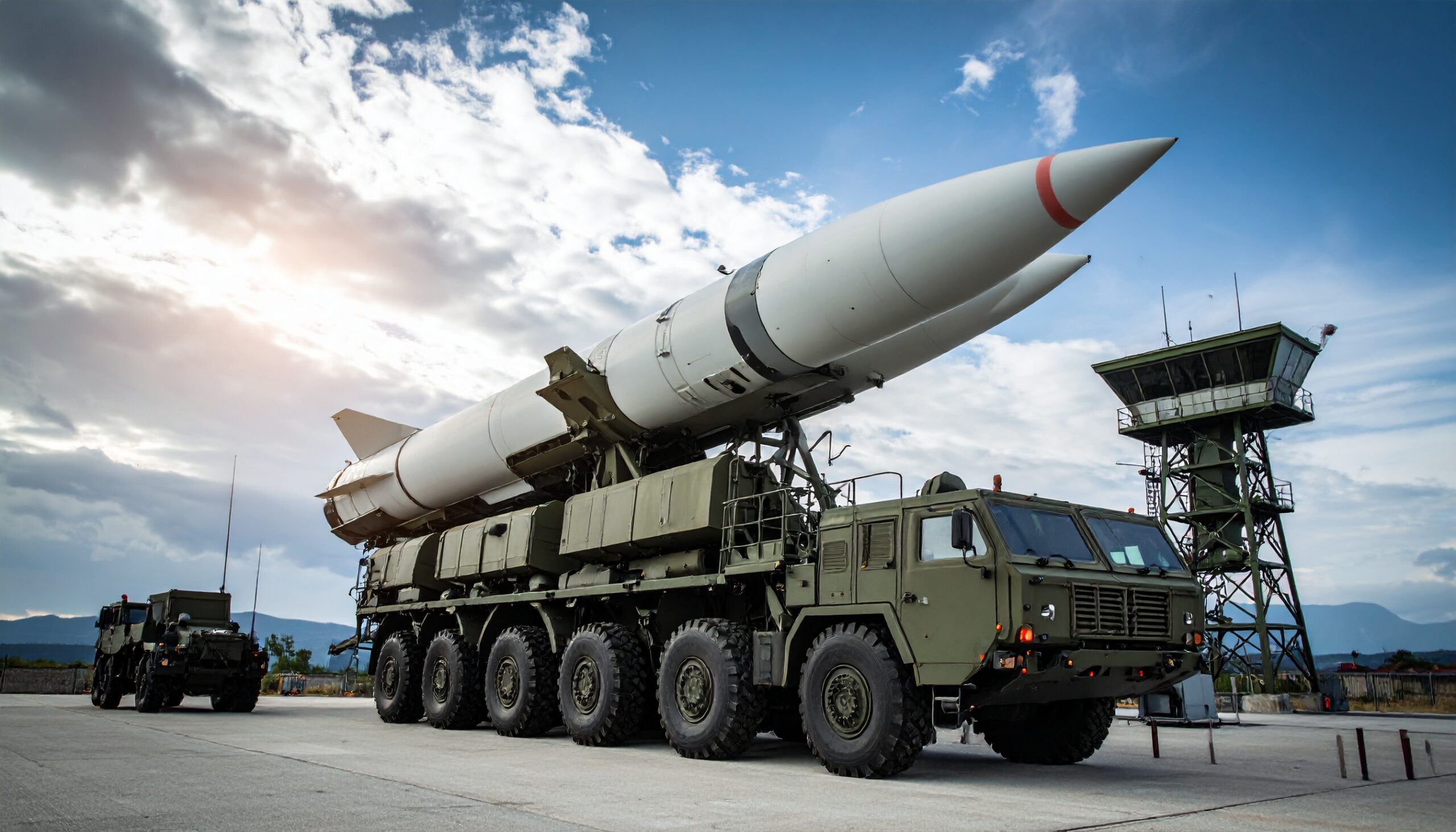
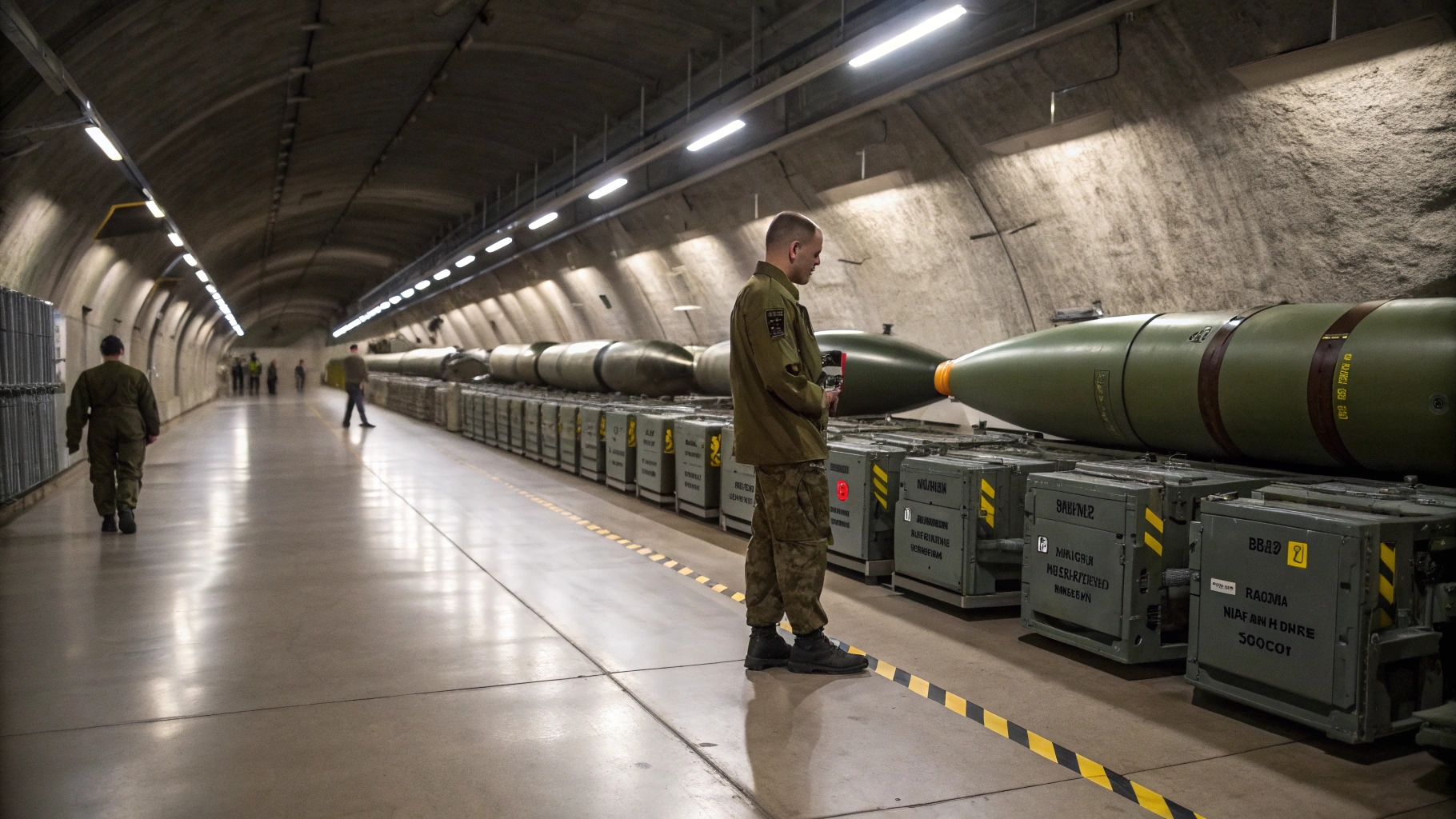
Lockheed Martin and the US Department of Defense have agreed to dramatically expand production of Terminal High Altitude Area Defense (THAAD) interceptors, responding to rising global demand for advanced missile defense systems. Under a new framework agreement, annual interceptor output will increase from 96 units to as many as 400, representing a more than fourfold production surge over the coming years.
THAAD is a ground-based ballistic missile defense system designed to intercept short-, medium-, and intermediate-range ballistic missiles during their terminal phase. The interceptor employs hit-to-kill technology, destroying incoming threats through direct high-velocity impact rather than explosive warheads. Operating at higher altitudes, THAAD complements lower-tier systems such as the Patriot PAC-3, strengthening layered air and missile defense architectures for the US and allied forces.
To support the production expansion, Lockheed Martin will build a new Munitions Acceleration Center in Camden, Arkansas, integrating robotics, automation, and digital manufacturing technologies. The facility will support production of THAAD interceptors, PAC-3 missiles, and other advanced munitions, while enabling workforce growth and higher sustained output rates.
The expansion is part of a broader multibillion-dollar investment plan that will modernize or expand more than 20 Lockheed Martin facilities across Arkansas, Alabama, Florida, Massachusetts, and Texas over the next three years. Since 2016, the company says it has increased deliveries of six major munition types by over 220 percent, with further growth expected through 2030.