Lockheed Martin has secured a $142.6 million contract modification to extend sustainment and support services for two Terminal High Altitude Area Defense (THAAD) batteries operated by the United Arab Emirates. Issued under an existing foreign military sales (FMS) case, the agreement increases the overall program value to $876.7 million, reinforcing long-term missile defense cooperation between Washington and Abu Dhabi.
The contract covers a wide range of sustainment activities, including logistics support, training, missile and ground system maintenance, hardware and software upgrades, engineering services, and surveillance support. While Lockheed Martin will coordinate program execution in the UAE, supporting work will be conducted at company facilities across California, Texas, Arkansas, and Alabama. The effort is scheduled to run through August 2028, with milestones aligned with the US Missile Defense Agency (MDA).
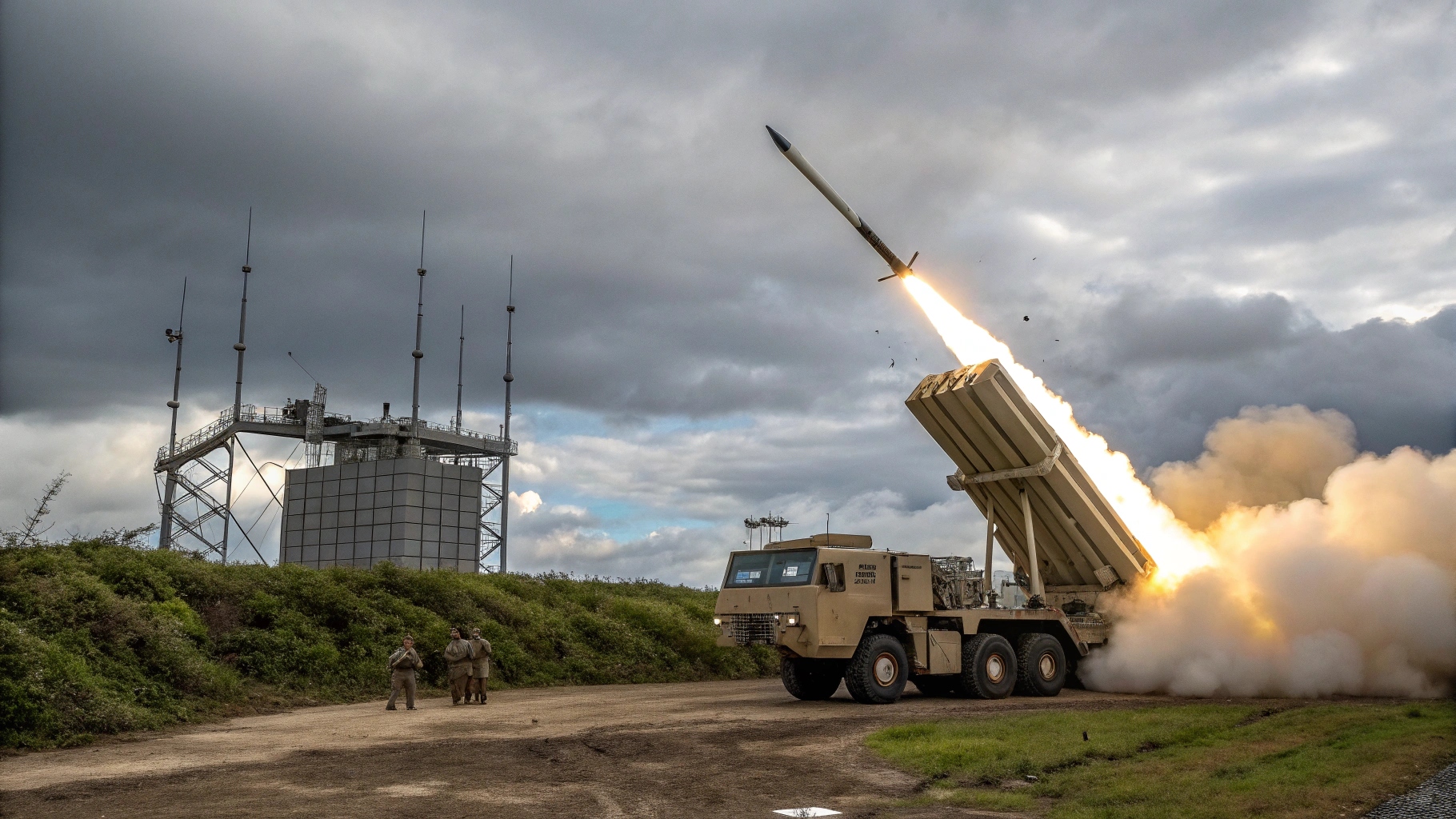
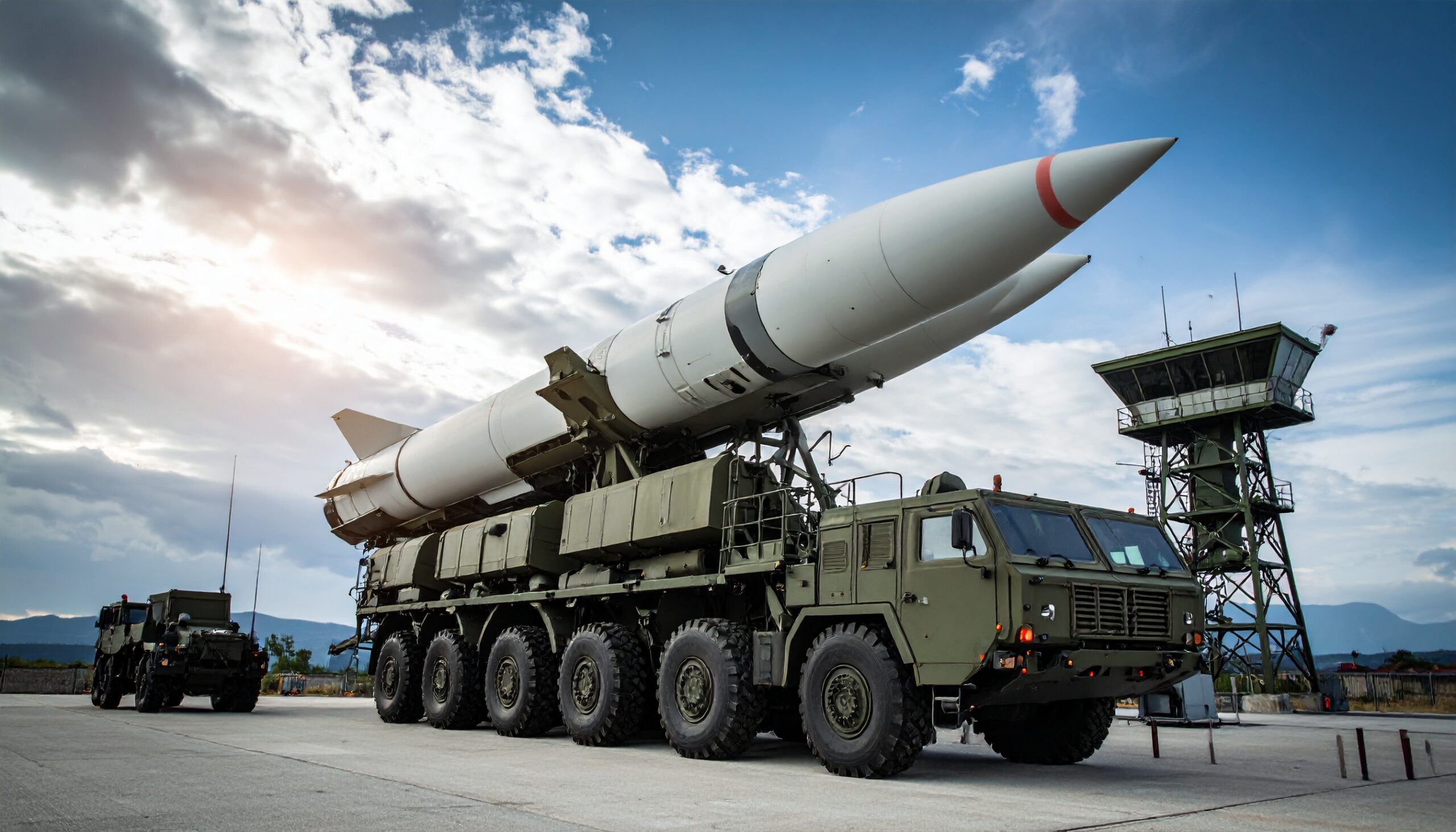
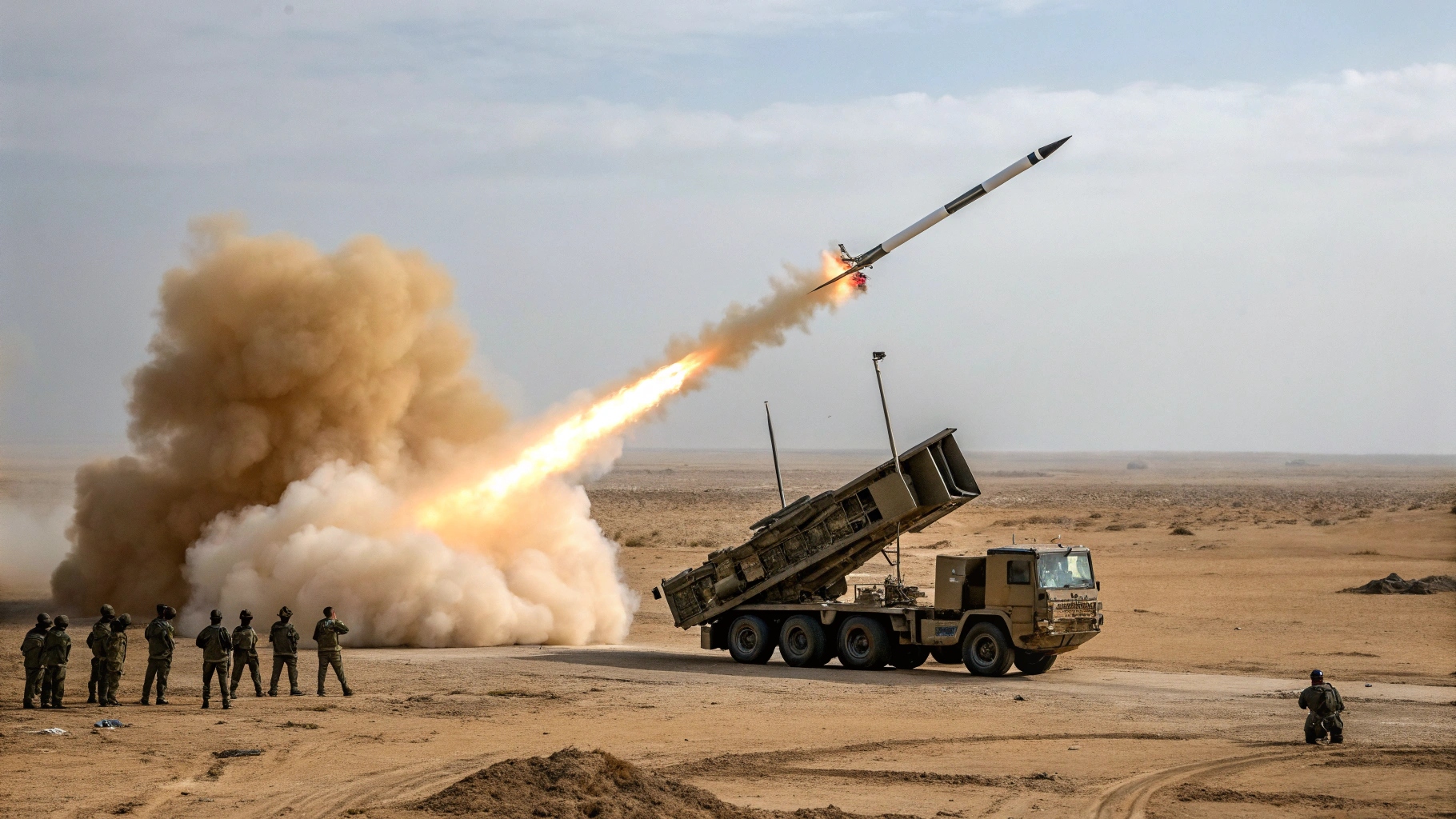
THAAD is a highly mobile missile defense system designed to intercept and destroy short-, medium-, and intermediate-range ballistic missiles during their terminal phase or re-entry into the atmosphere. Developed in the late 1990s, the system employs hit-to-kill kinetic interceptors, eliminating threats through direct impact rather than explosive warheads.
Each THAAD interceptor measures approximately 20 feet in length, weighs around 2,000 pounds, and can reach speeds of Mach 8.2. With an engagement range of up to 120 miles and an operational altitude nearing 93 miles, the system provides a critical layer of high-altitude missile defense. In December 2025, the UAE marked 10 years of THAAD service, while earlier that year the MDA awarded Lockheed Martin a $2 billion contract to produce additional interceptors for the country’s missile defense architecture.