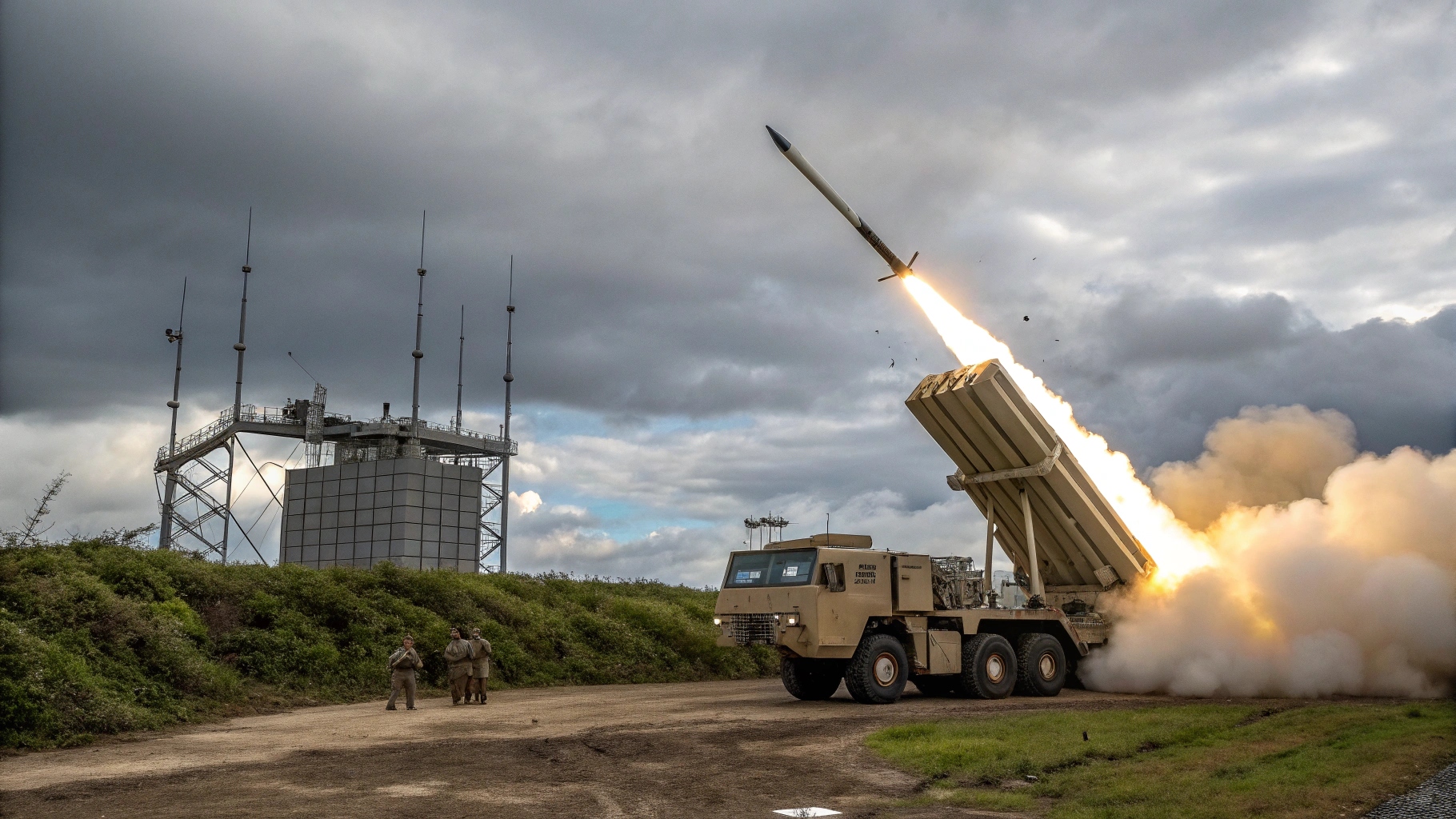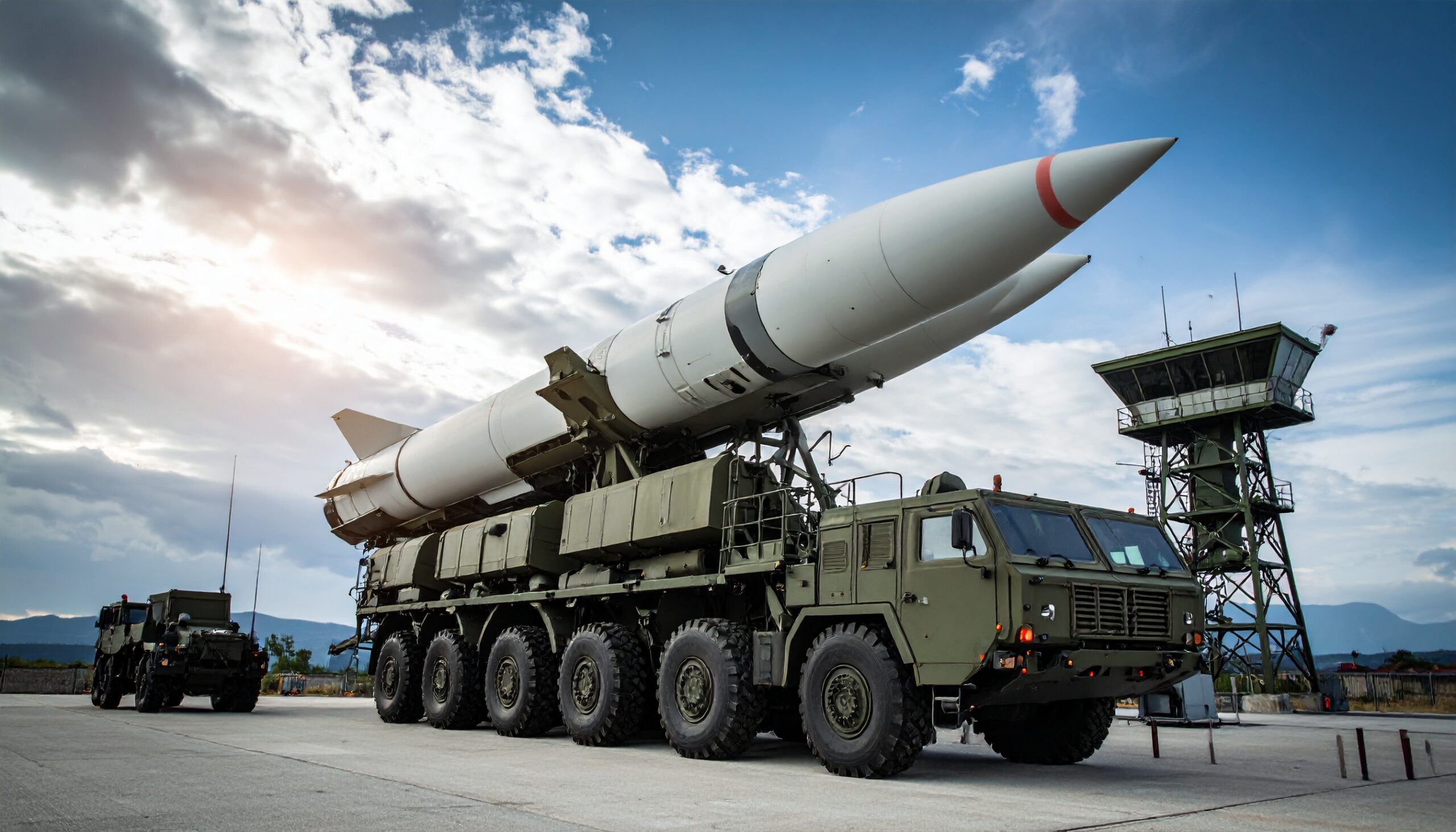
Northrop Grumman has successfully completed the first launch of its digitally redesigned intercontinental ballistic missile (ICBM) target vehicle, marking a major milestone in efforts to enhance US missile defense testing against advanced long-range threats. The test represented the debut of a new target system designed to more accurately replicate the flight profiles of modern ballistic missiles used in Missile Defense Agency (MDA) evaluations.
The launch met all performance objectives and utilized a decommissioned Peacekeeper ICBM second-stage motor, provided through the US Space Force’s Rocket Systems Launch Program. These target vehicles play a critical role in validating missile defense architectures, including the Aegis Ballistic Missile Defense and Ground-Based Midcourse Defense (GMD) systems. Since 2011, Northrop Grumman has delivered 27 ICBM target vehicles and supported 12 successful flight tests, underscoring its long-standing role in US missile defense programs.
Unlike previous designs, the new target vehicle was developed using a digital-first engineering approach. Northrop Grumman reported that the adoption of advanced digital tools reduced field execution time by 25 percent during Pathfinder operations, while also improving safety and system integration prior to launch. A digital twin was employed throughout manufacturing, testing, and integration to ensure continuous alignment between the physical hardware and its virtual model.
Engineers further leveraged virtual reality and augmented reality technologies to streamline production. Virtual reality pathfinders enabled teams to rehearse factory integration and stacking procedures before hardware assembly, identifying potential issues earlier. Augmented reality tools were later used during interstage integration, reducing mechanical assembly time and minimizing the risk of errors. The redesigned target also replaces legacy propulsion with an updated SR119 first stage, reflecting a broader, multi-year effort to modernize and adapt missile test vehicles to evolving threat environments.