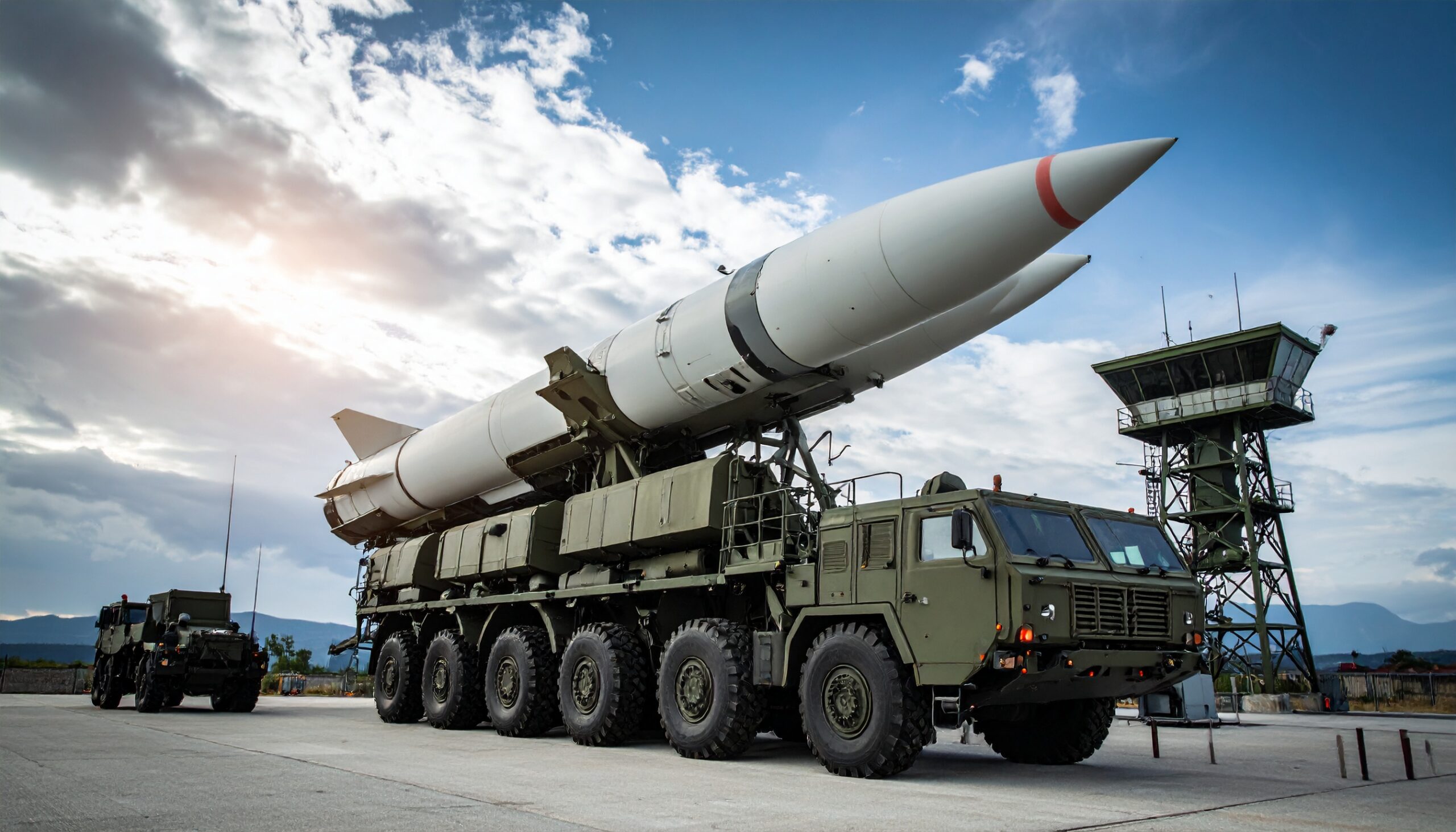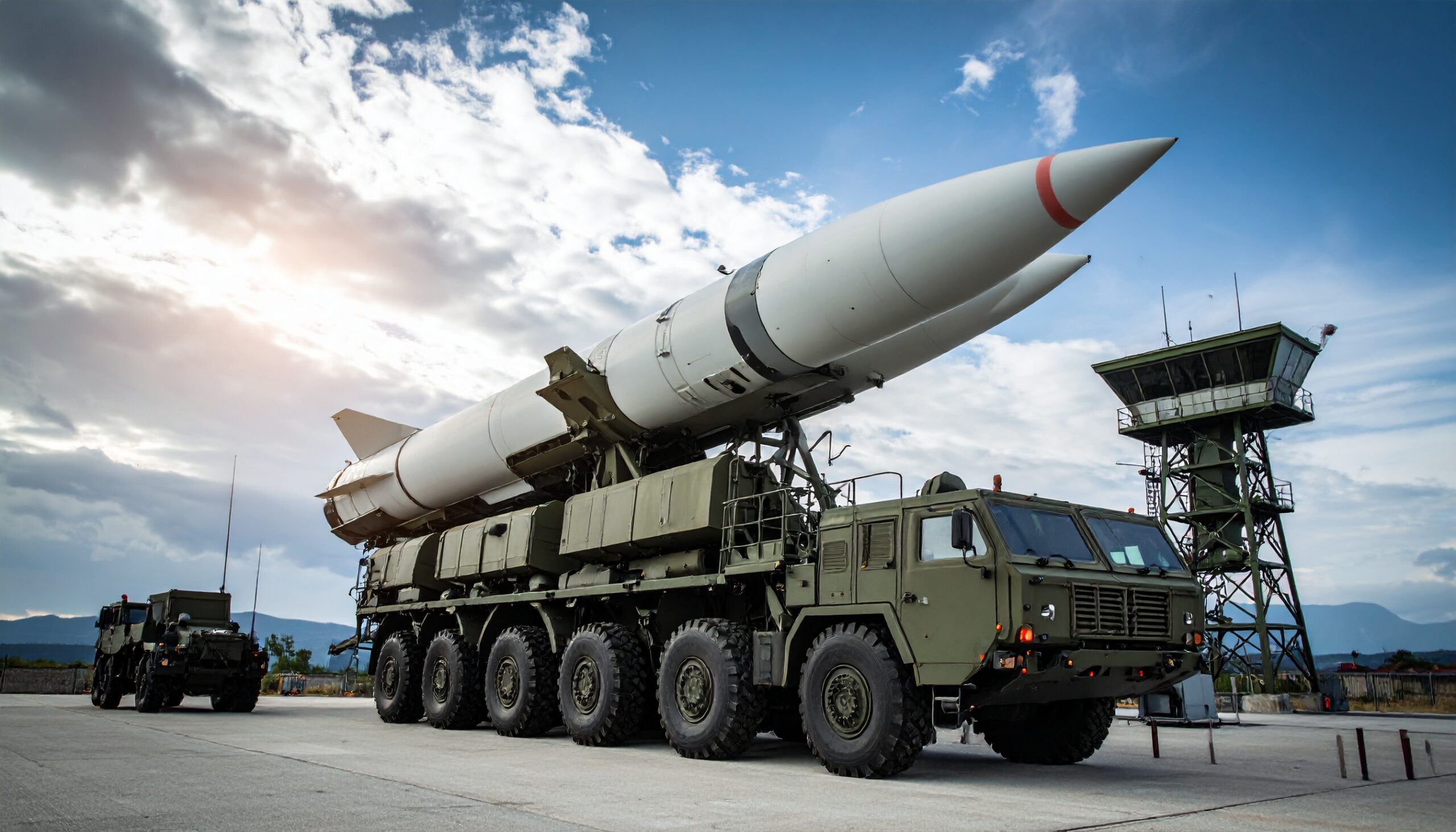
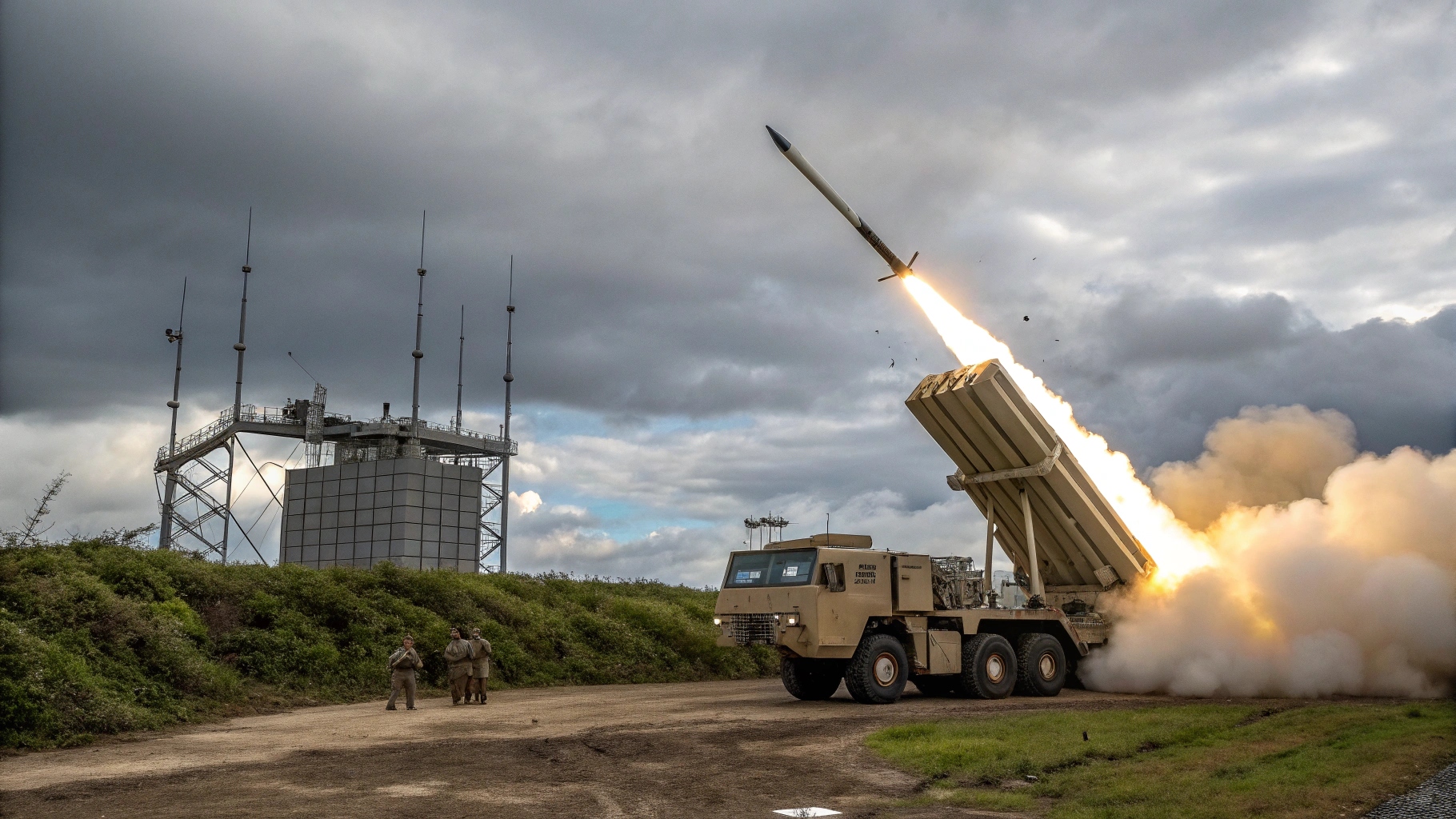
The Pakistan Air Force (PAF) has successfully conducted the first confirmed flight test of the indigenous Taimoor air-launched cruise missile, marking a major milestone in the country’s air power modernization. The test, carried out on January 3, 2026 under operational conditions, validates Taimoor as a credible stand-off precision strike weapon capable of engaging both land and maritime targets at extended ranges.
PAF officials indicated that the successful trial represents Taimoor’s transition from development into an operationally relevant system. Designed to enhance long-range strike options for combat aircraft, the missile significantly expands Pakistan’s ability to conduct precision attacks while remaining outside hostile air defense envelopes, reinforcing deterrence and conventional strike flexibility.
Technically, Taimoor is assessed as a subsonic air-launched cruise missile, optimized for range, accuracy, and survivability. It is believed to be powered by a compact turbofan engine that enables sustained low-altitude flight and terrain-following profiles. Radar cross-section reduction measures, achieved through airframe shaping and materials, are intended to improve penetration against integrated air defense systems.
The missile’s guidance suite reportedly combines inertial navigation with satellite updates, allowing reliable mid-course accuracy even in GPS-degraded environments. In the terminal phase, an advanced imaging or scene-matching seeker is believed to provide meter-level precision, while a conventional high-explosive or penetrator warhead enables effective engagement of hardened land targets and naval vessels. The system’s dual land-and-sea attack capability highlights Pakistan’s growing emphasis on multi-domain precision strike capabilities.