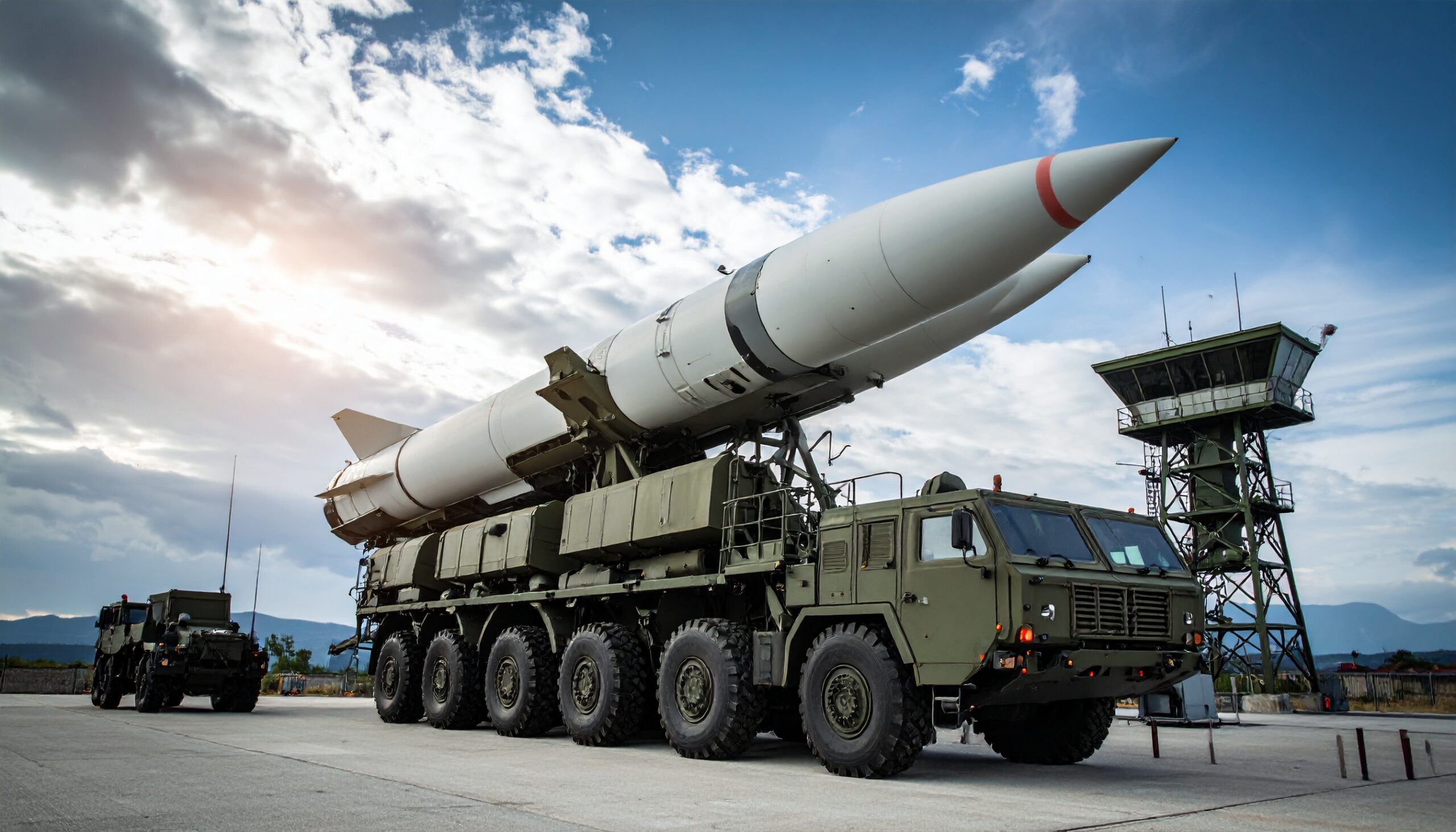
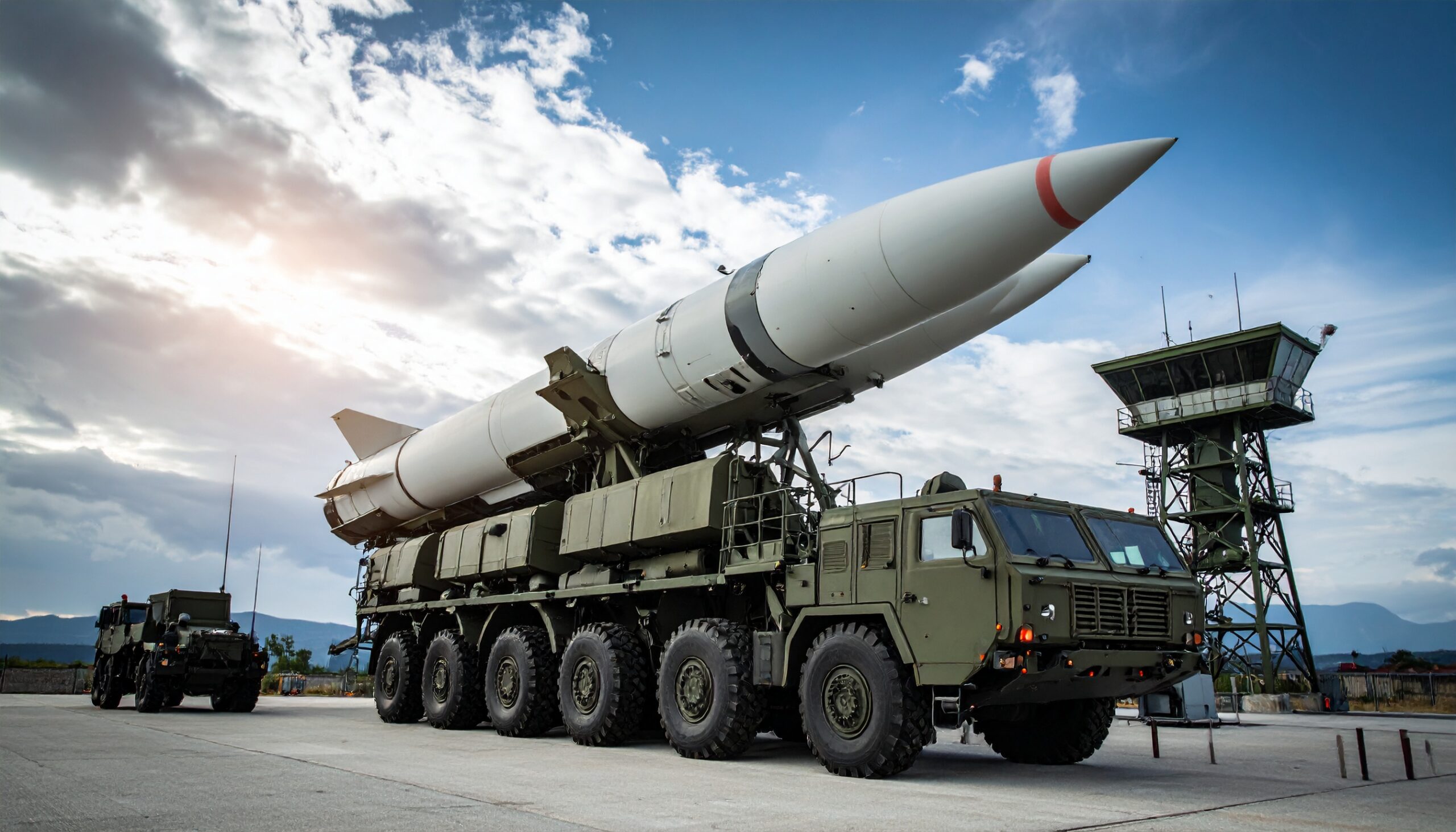
The US Navy has awarded Raytheon a $19.3 million contract modification to continue providing design authority and engineering support for the Rolling Airframe Missile (RAM) program, a critical ship self-defense capability fielded by the US Navy and multiple allied fleets. The contract supports ongoing system sustainment and technical oversight as the missile remains a core element of naval close-in defense.
The award covers work through March 2028 and includes foreign military sales participation from Japan, Qatar, South Korea, and Canada. Funding is sourced from a combination of US Navy fiscal year 2025 and 2026 budgets, along with allied contributions under the FMS framework. Engineering and support activities will be conducted primarily at Raytheon’s facility in Tucson, Arizona.
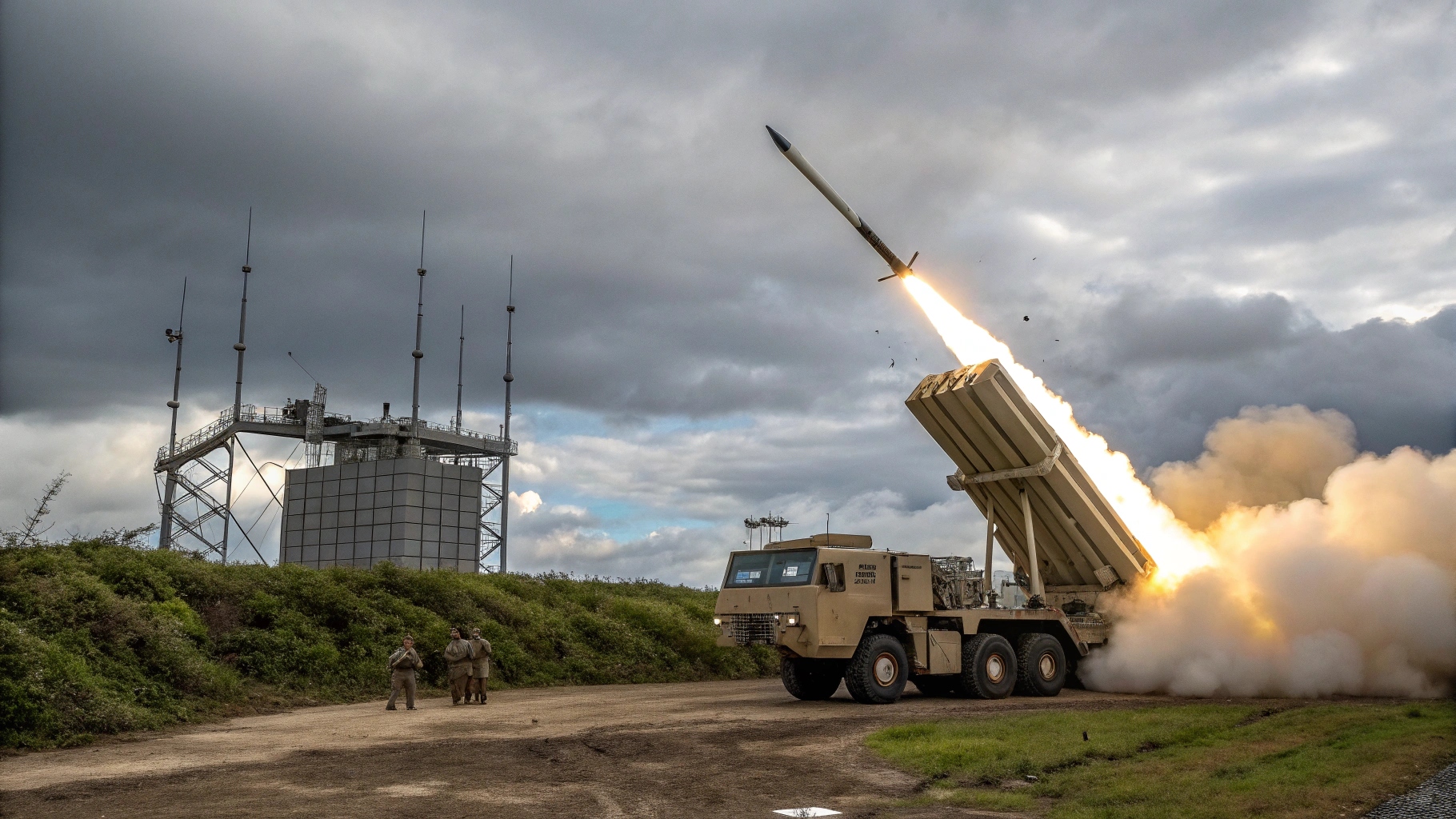
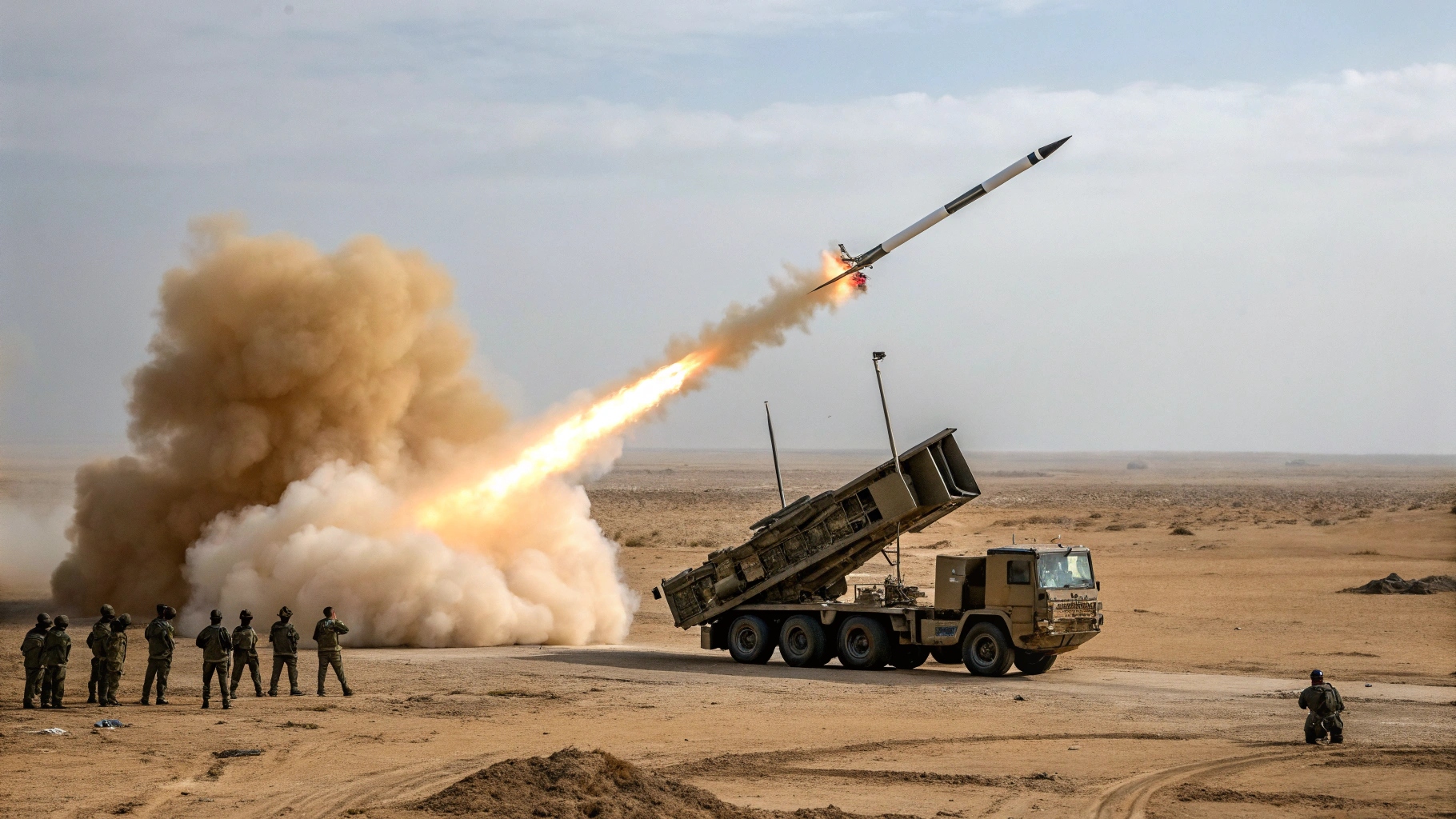
The Rolling Airframe Missile is a lightweight, fire-and-forget surface-to-air missile designed to protect ships against anti-ship cruise missiles, aircraft, and other short-range aerial threats. Its Block 2 variant employs a dual-mode passive radio frequency and infrared guidance system, enabling rapid target engagement without the need for external radar illumination. The missile is deployed across a wide range of naval platforms using the MK49 Guided Missile Launching System or the SeaRAM close-in weapon system.
Raytheon and the US Navy have continued to expand RAM production and modernization efforts in recent years. In 2025, Raytheon received a major contract to manufacture and upgrade RAM launch systems for the US fleet, while international demand remains strong, highlighted by recent foreign sales approvals and sustained allied investment in the missile’s capabilities.