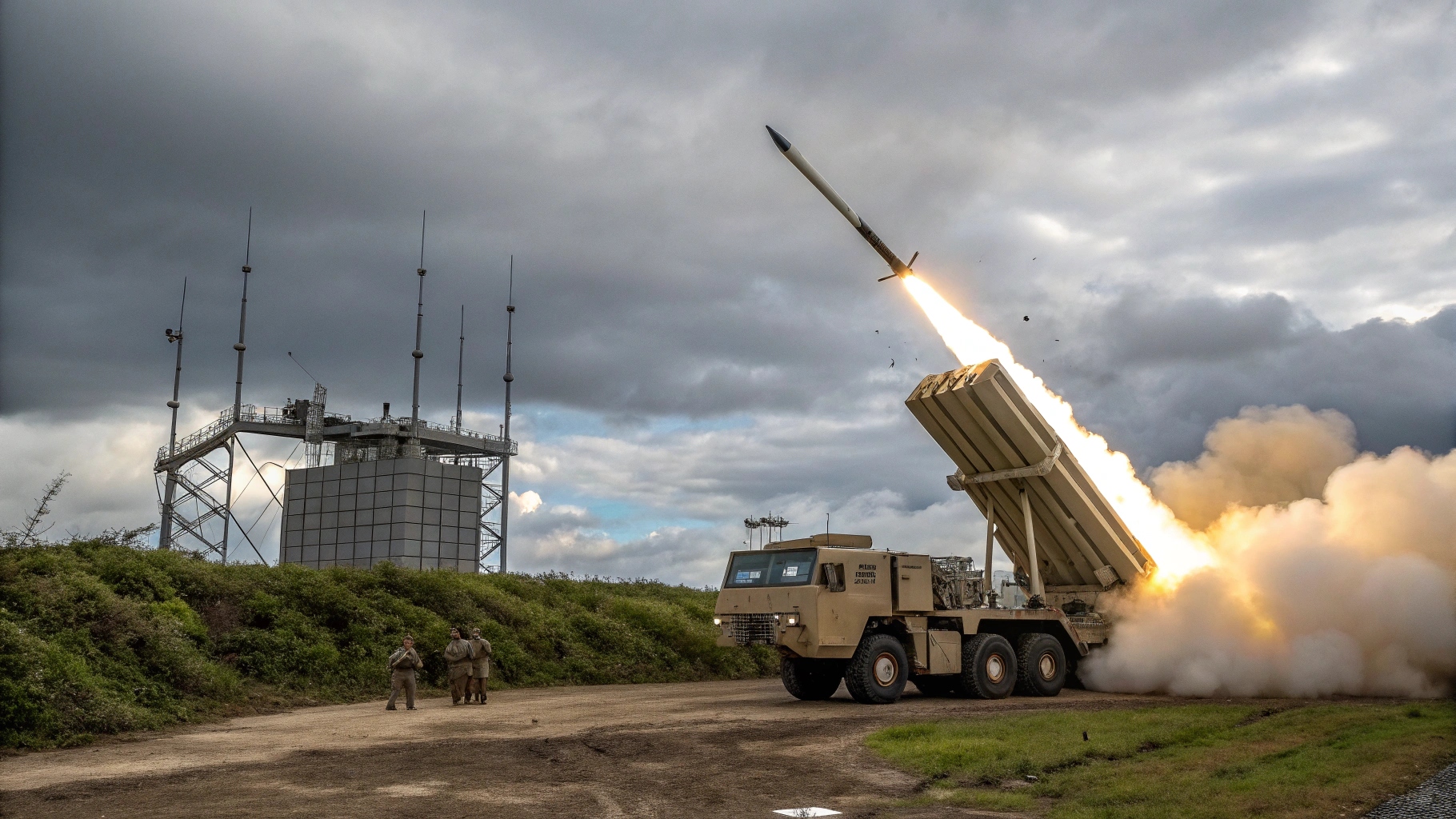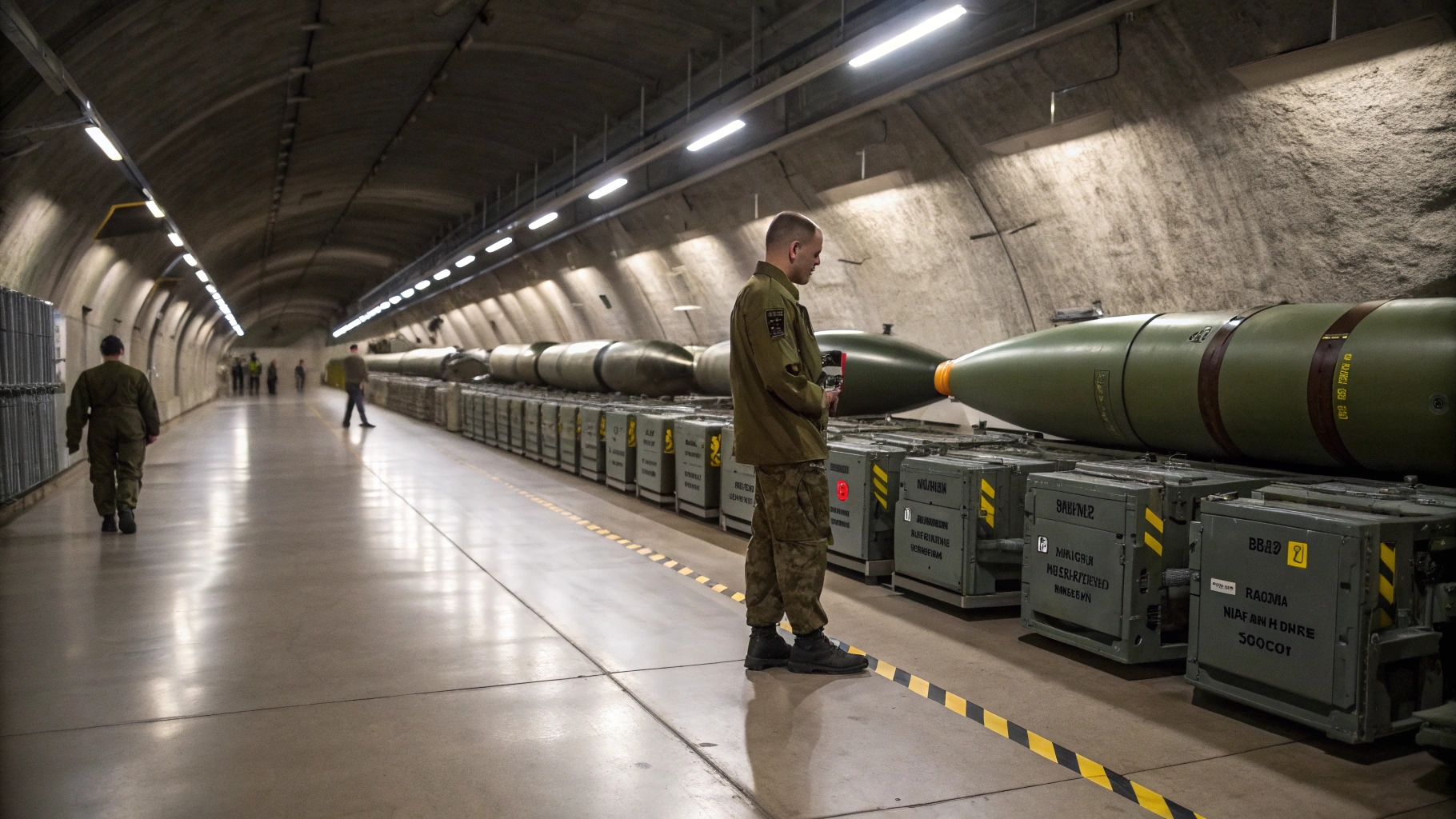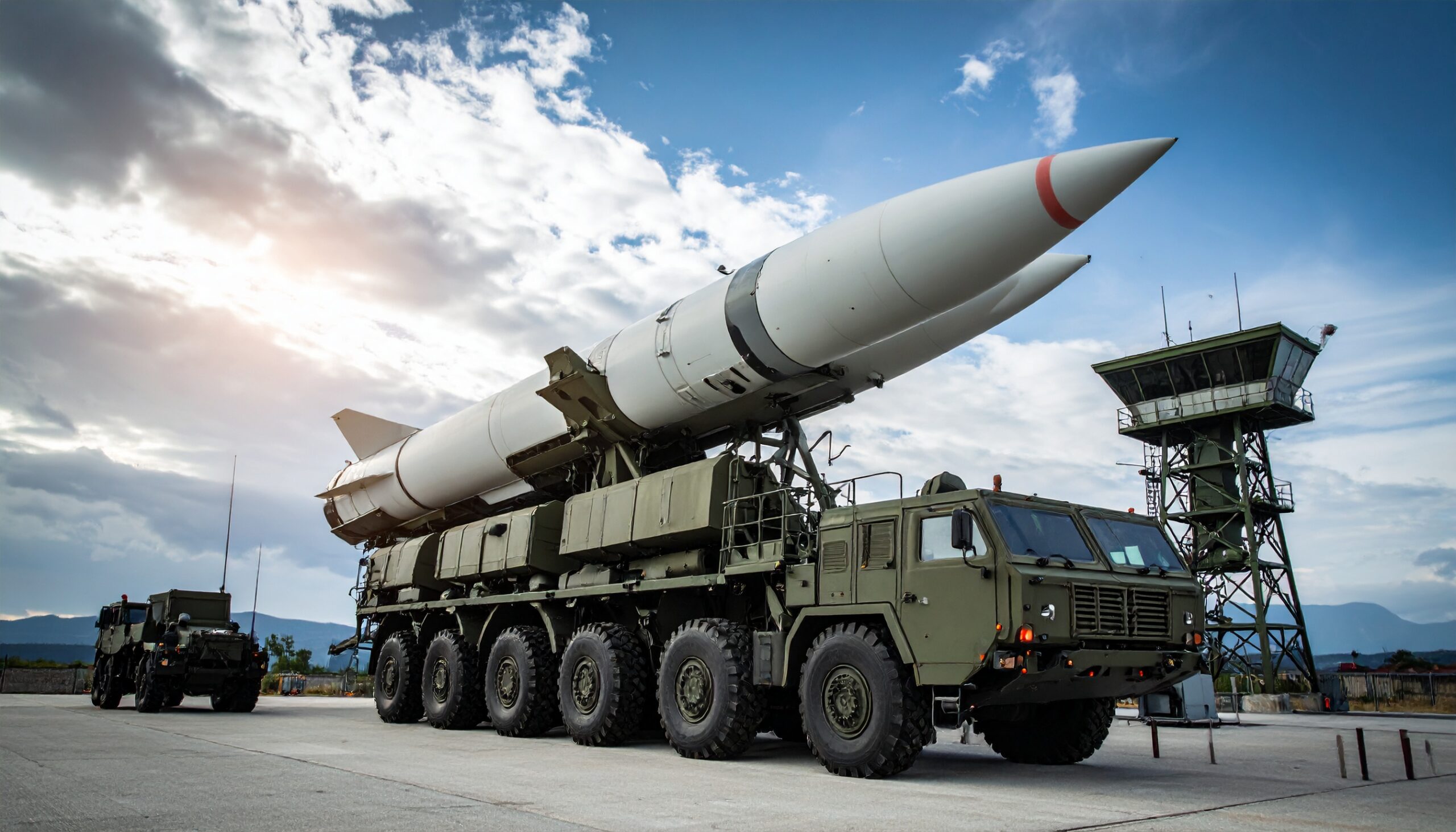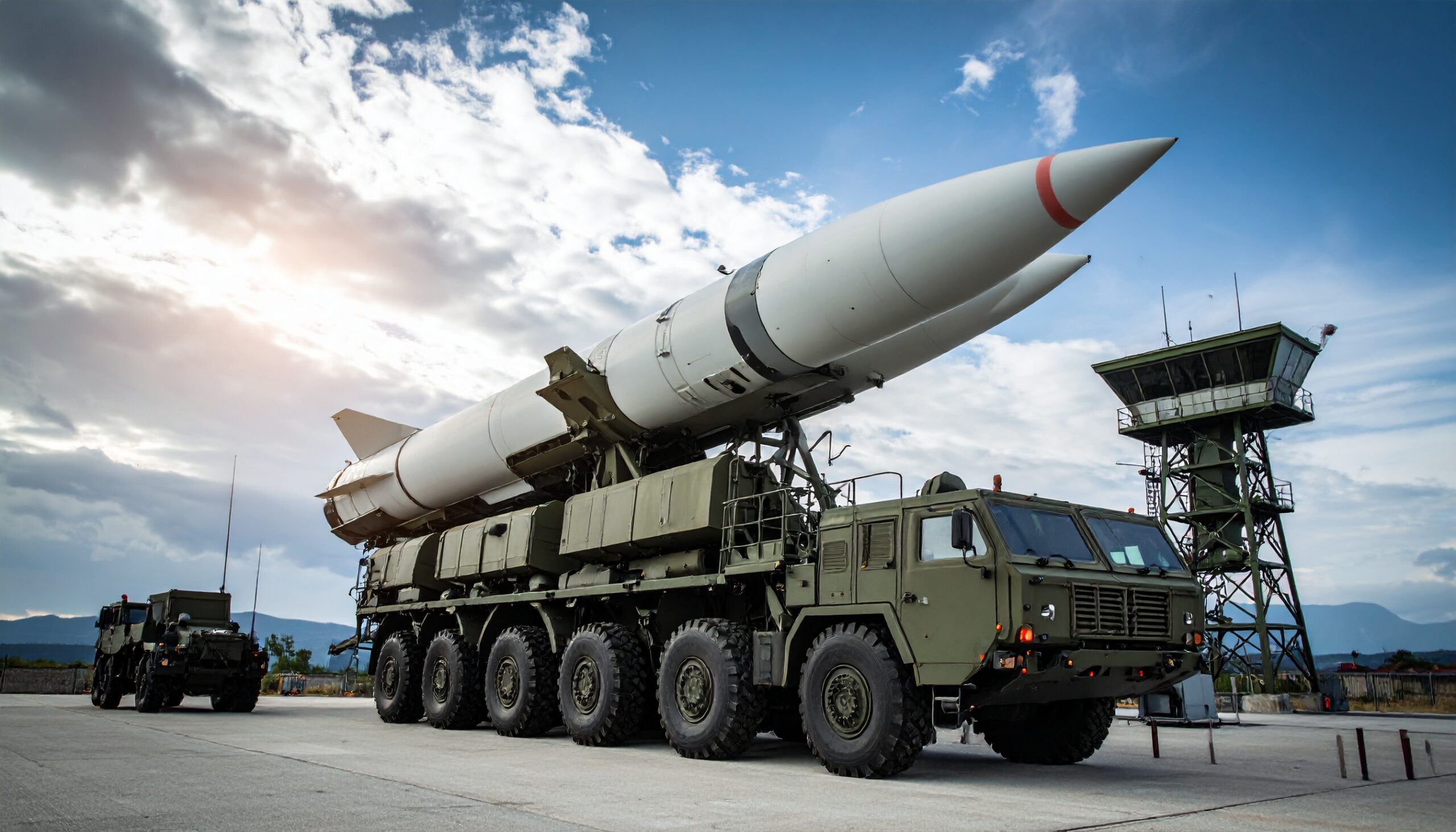

The United States has outlined new discretionary funding commitments in its Fiscal Year 2026 acquisition plan to sustain and expand the Terminal High Altitude Area Defense (THAAD) missile defense system. The plan includes funding to procure 25 additional THAAD interceptors, along with continued investment in interceptor obsolescence mitigation and the Stockpile Reliability Program. U.S. defense officials have stressed that maintaining THAAD readiness is increasingly critical as adversaries deploy more capable ballistic missiles and strain existing missile defense inventories.
Beyond interceptor procurement, the FY2026 plan prioritizes modernization of THAAD Battery Ground Components, targeting aging hardware and electronics that could otherwise reduce system availability. These upgrades are closely linked to ongoing efforts to integrate THAAD into the U.S. Army’s Integrated Air and Missile Defense Battle Command System (IBCS). Once integration is complete, THAAD will operate as a fully networked asset, able to receive targeting data from joint and allied sensors rather than functioning as a largely standalone system.
The acquisition roadmap also supports continued enhancements to THAAD interceptor and weapon-system performance. Engineering work is focused on improving seeker discrimination, guidance accuracy, propulsion reliability, and software resilience, enabling the system to counter advanced ballistic missiles equipped with decoys, maneuverable reentry vehicles, and other countermeasures. These upgrades are viewed as essential as potential adversaries accelerate the deployment of hypersonic and maneuvering missile threats.
To validate these improvements, FY2026 funding supports a robust program of flight testing, ground testing, infrastructure upgrades, and operational exercises aligned with the Integrated Master Test Plan. Large-scale war-games and joint exercises will assess THAAD performance in high-density and multi-axis attack scenarios, helping refine tactics and procedures for integrated missile defense operations while confirming technical performance under realistic conditions.