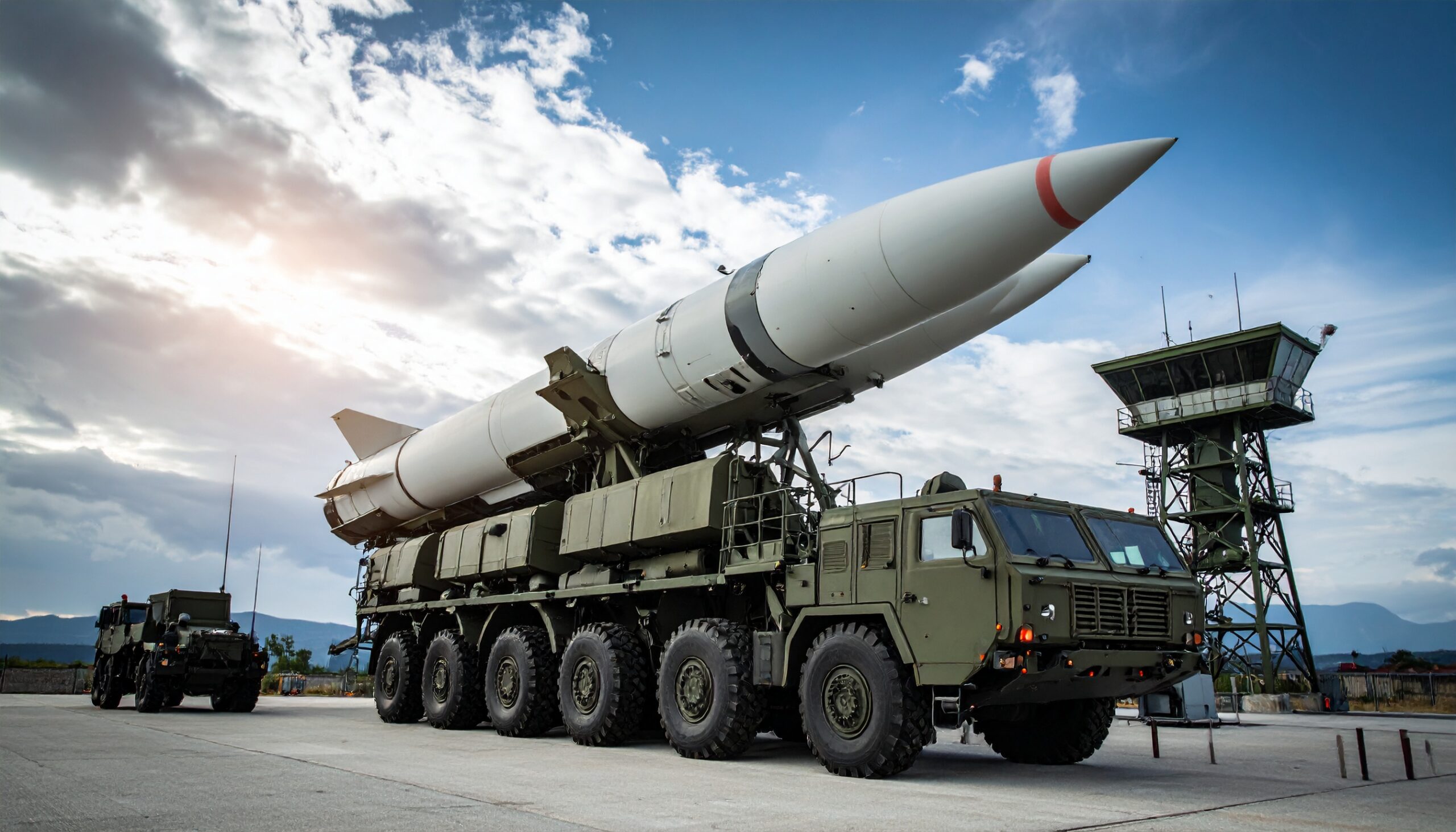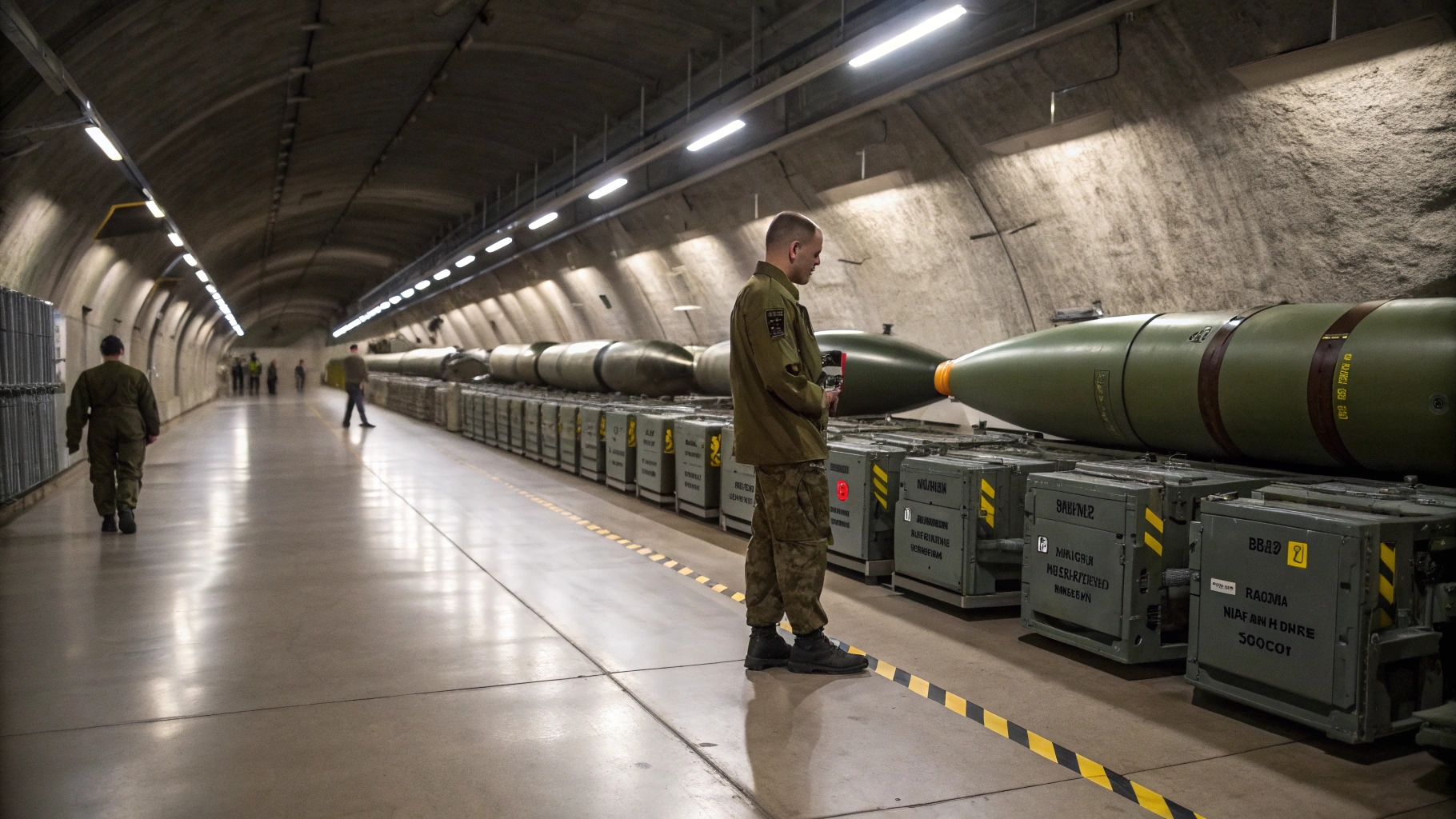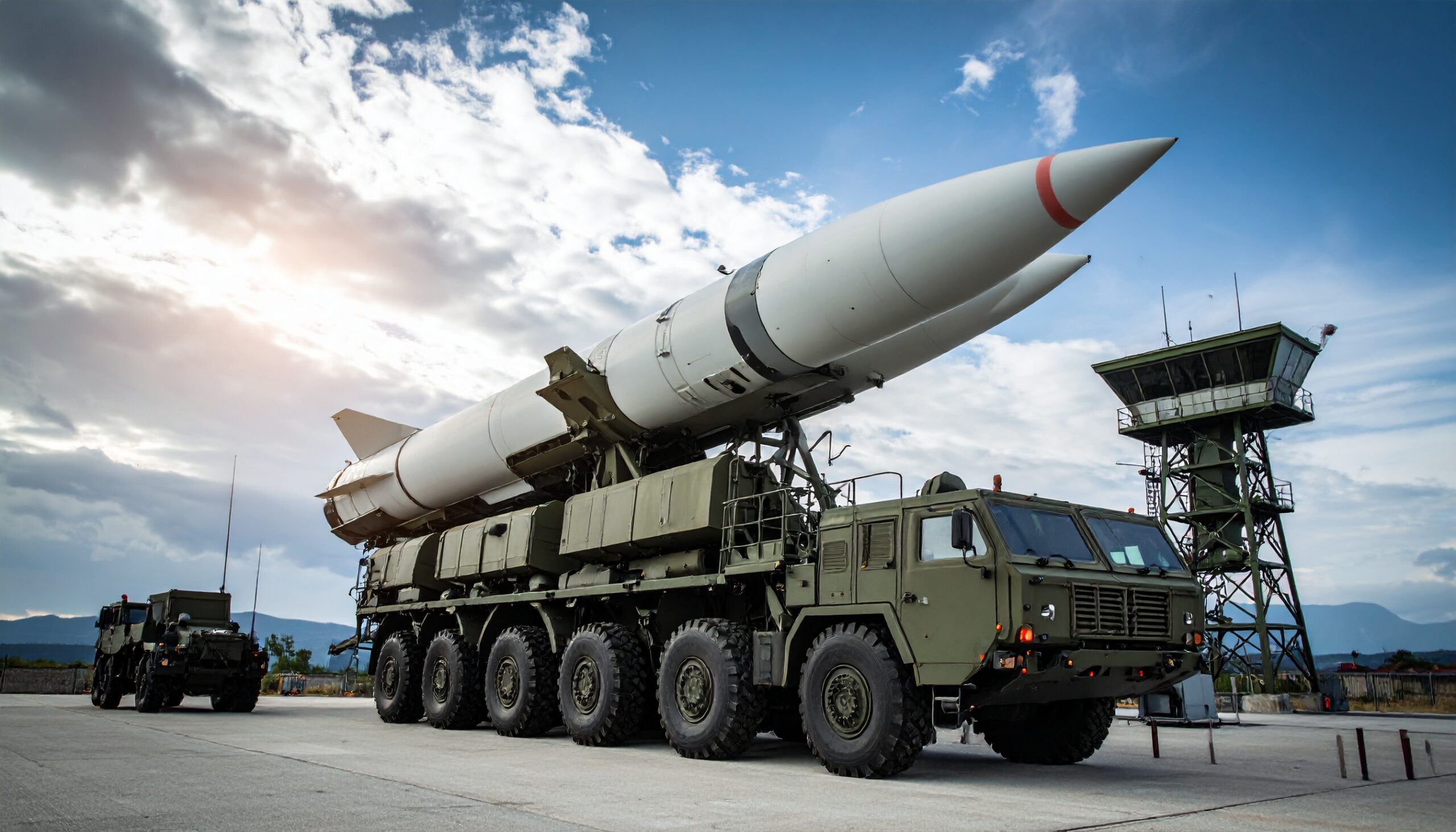
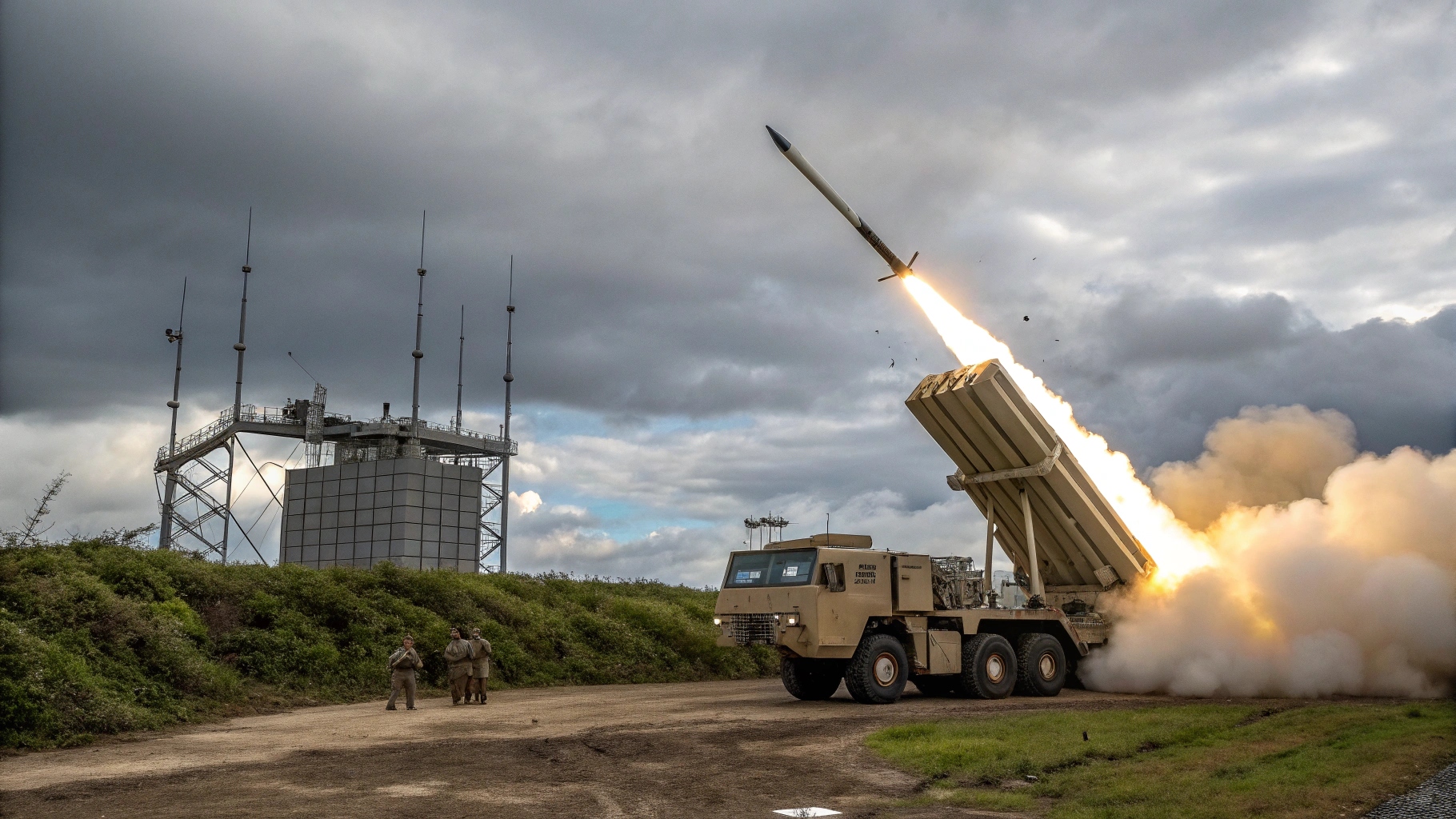
The US Defense Innovation Unit (DIU) has issued a solicitation seeking commercially developed sensing and seeker technologies to enhance national defense against ballistic missiles and hypersonic glide vehicles. The initiative calls for advanced integrated systems using LIDAR/LADAR, electro-optical/infrared (EO/IR), radio frequency (RF) technologies, or hybrid combinations capable of delivering fire-control-quality data. These systems must perform high-precision detection, tracking, and discrimination functions under extreme operational environments, including intense vibration, radiation exposure, and severe thermal conditions. Additionally, designs must comply with strict size, weight, and power (SWaP) limitations suitable for interceptor platforms and space-based deployments. Modular architectures are encouraged so the sensors can function either as primary seekers on kinetic kill vehicles or as hosted payloads aboard low Earth orbit satellites, with a projected operational life of up to five years in space. The timeline is aggressive, requiring laboratory demonstrations within six to nine months of contract award and on-orbit demonstrations within 12 to 24 months. Affordability and scalability are central requirements, with production goals exceeding 100 units annually at lower costs than legacy systems. The effort will be executed through the Commercial Solutions Opening process under prototype Other Transaction Agreements (OTAs), allowing rapid transition to production contracts if prototypes succeed.