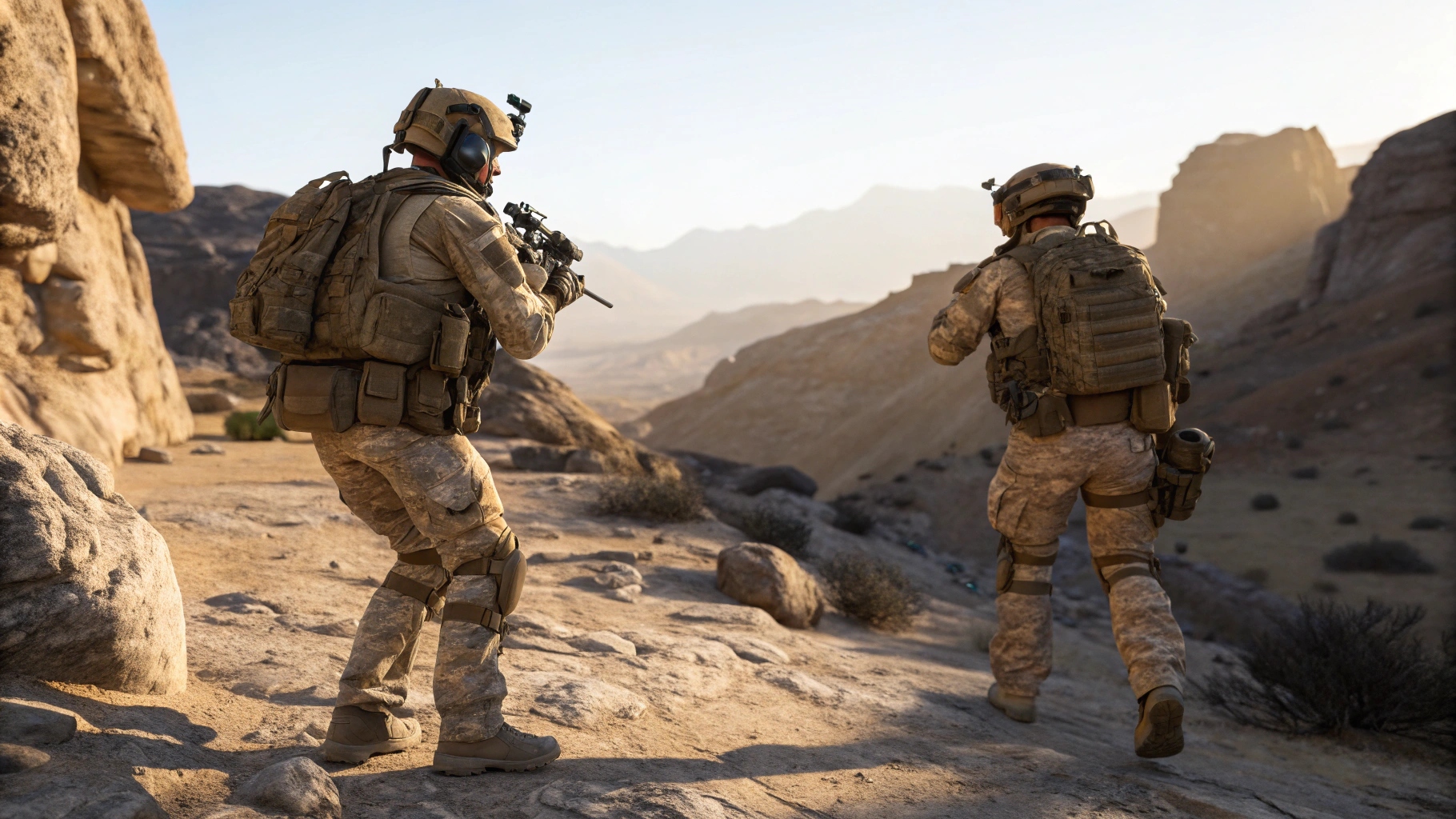
US and Indonesia Open Super Garuda Shield With More Than 4,700 TroopsThe United States and Indonesia have begun the latest edition of their annual Super Garuda Shield military exercise, bringing together more than 4,700 personnel, Reuters reported.The multinational drills are scheduled to continue until September 11 at multiple locations throughout Indonesia.A total of 13 countries are participating, including Japan, South Korea, Australia, and Canada.Exercise activities will cover a broad range of missions, including airborne infiltration, Stinger surface-to-air missile firing, jungle warfare, naval operations, and cyber-defense training.Participating forces will also undertake humanitarian assistance and disaster-relief exercises, reflecting Indonesia’s response to recent natural disasters. A magnitude-7.7 earthquake in East Nusa Tenggara killed more than 100 people in August, while wildfires affected nearly 95,000 hectares (234,750 acres) across Indonesia in July.Growing Defense CooperationThe exercise takes place as Jakarta continues to deepen military cooperation with regional and international partners.In July, Indonesia and Singapore announced plans for three joint military training areas at locations across the Indonesian archipelago.In May, Indonesia and Japan formalized closer defense relations, creating opportunities for expanded joint exercises, maritime cooperation, and defense-industrial collaboration.Indonesia also became the first international customer for Türkiye’s Bayraktar Kizilelma combat drone under an agreement with manufacturer Baykar. The deal covers 12 aircraft, with deliveries scheduled to begin in 2028, alongside options for 48 additional aircraft and plans for local production and support infrastructure.These developments followed an April agreement between Washington and Jakarta aimed at strengthening defense ties through military modernization, troop training, professional military education, and operational cooperation.The two governments also discussed a US request for wider access to Indonesian airspace. Jakarta has stressed that the proposal remains separate from the defense agreement and is still subject to technical consultations and national approval procedures.