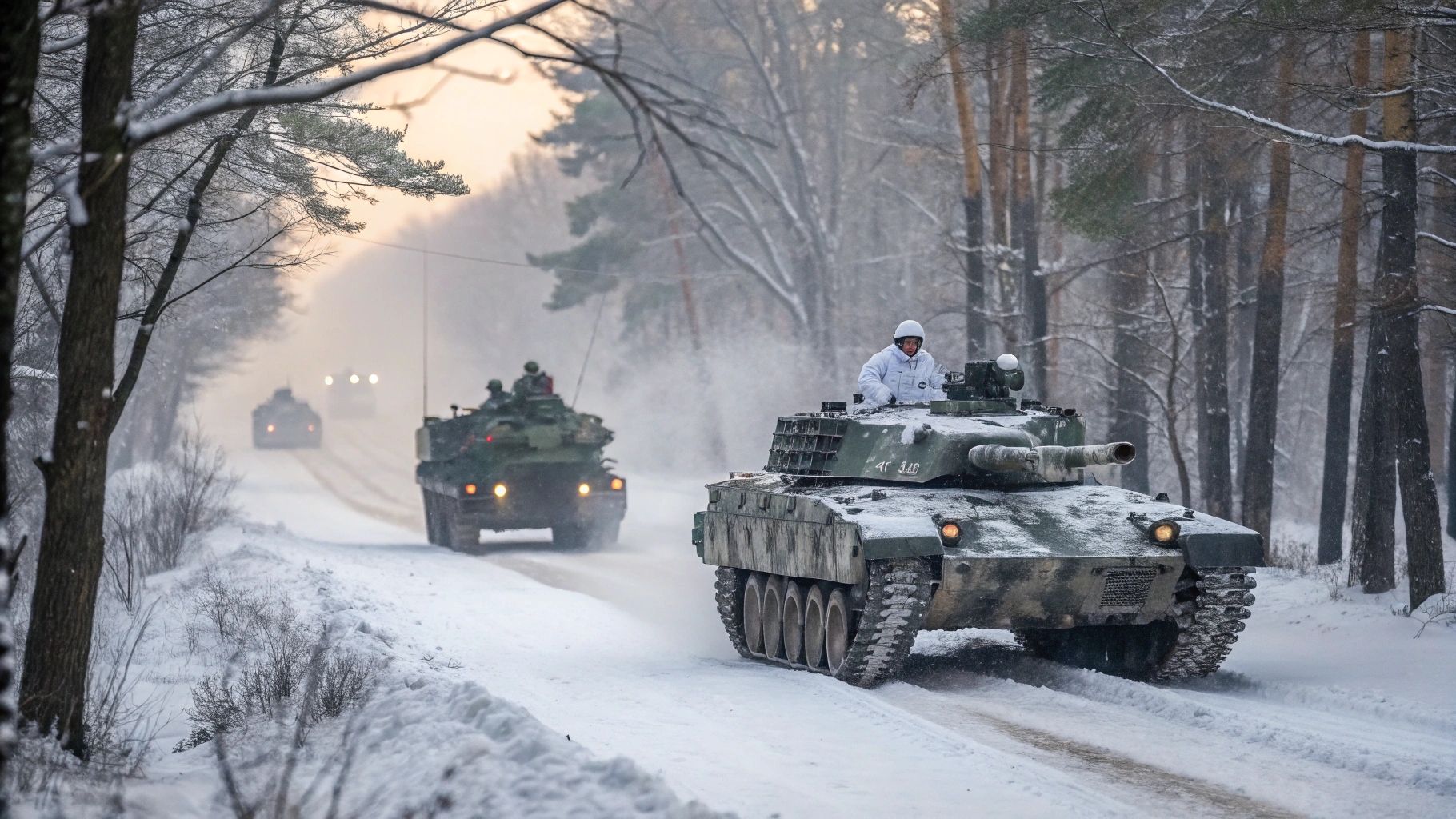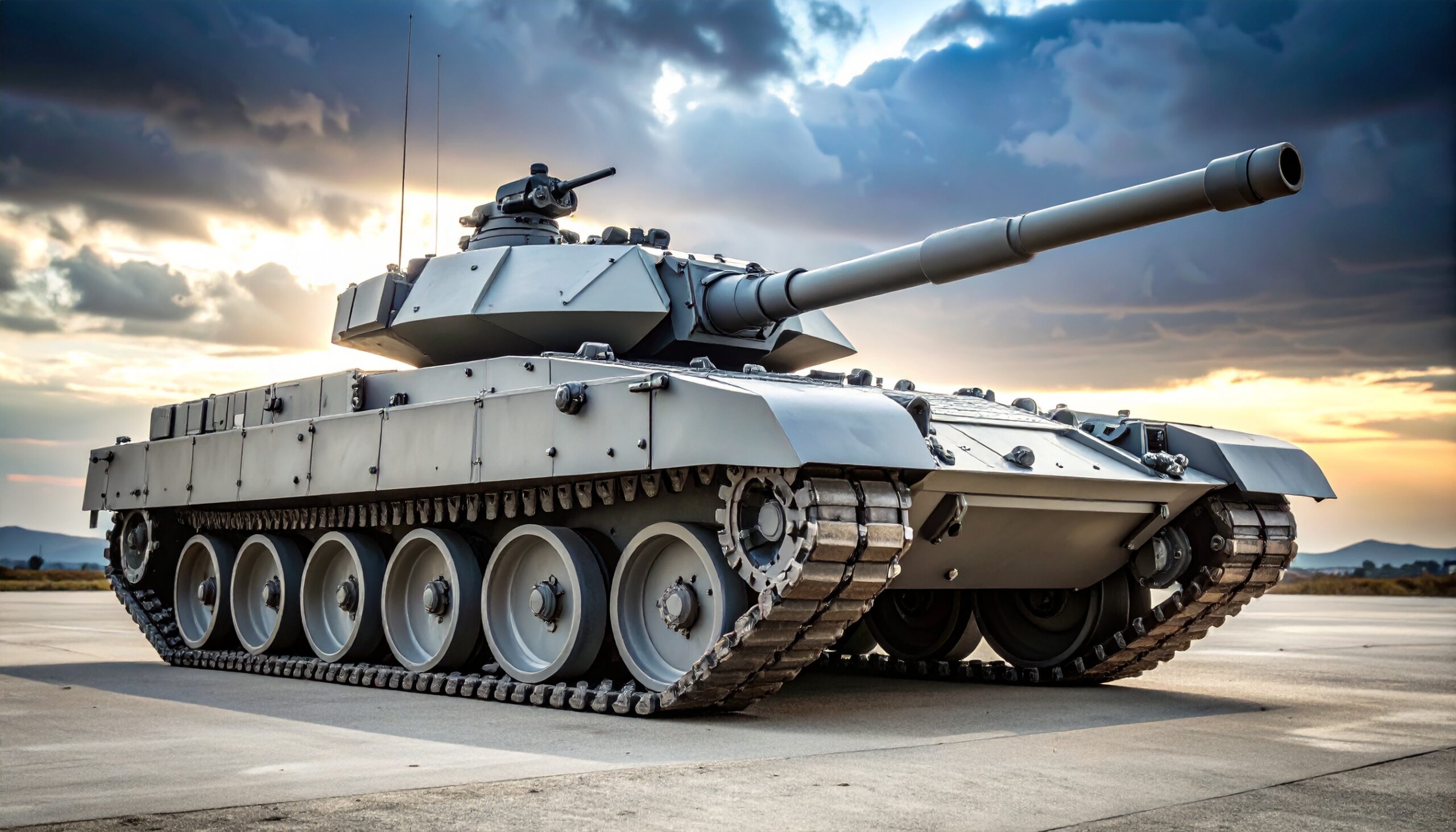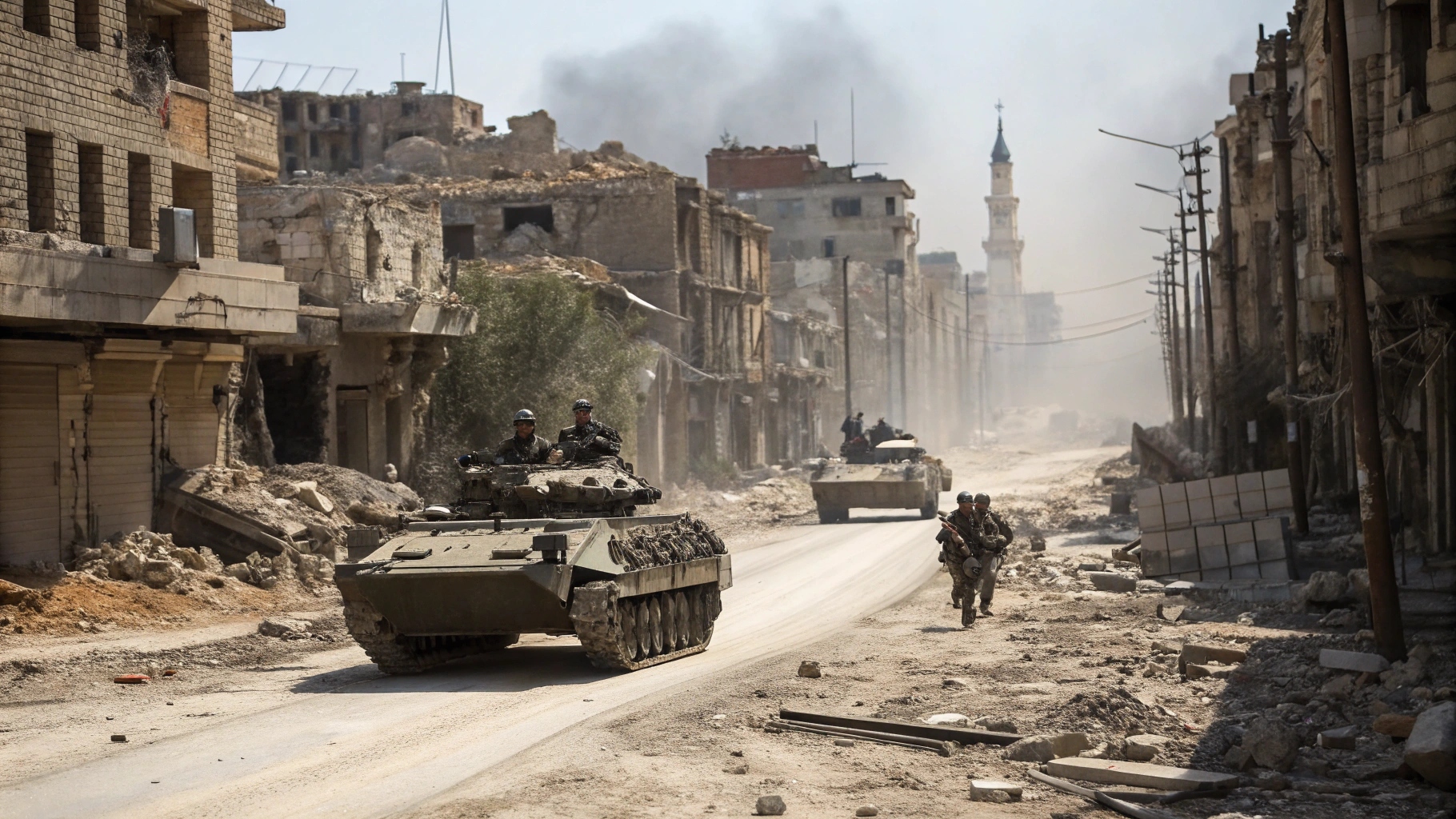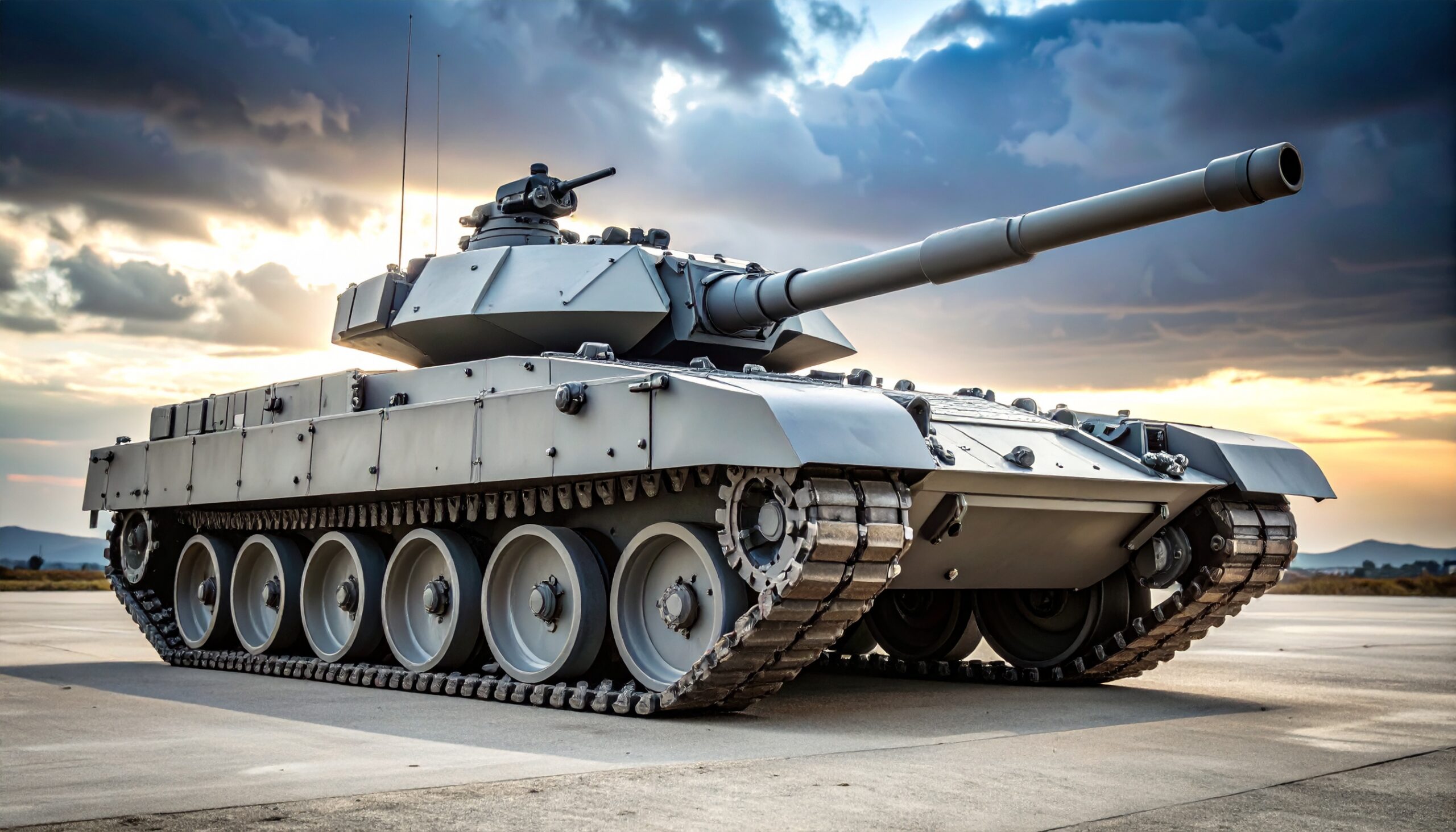
The Leopard tank series stands among the most respected main battle tank families in the world. Developed in Germany during the Cold War, the Leopard was designed to meet the demands of high-intensity armored warfare in Europe. Engineers aimed to produce a tank that balanced firepower, mobility, and survivability while remaining adaptable for future upgrades. The first model, Leopard 1, entered service in the mid-1960s and quickly gained recognition for its speed and maneuverability. Instead of relying on extremely heavy armor, its designers prioritized mobility and accurate long-range firepower. Armed with the well-known 105-mm L7 cannon and powered by a reliable diesel engine, the tank proved highly effective across varied terrain. The introduction of the Leopard 2 in 1979 marked a significant evolution in tank design. This new model incorporated composite armor, a powerful 120-mm smoothbore gun, and advanced fire-control systems that greatly improved targeting accuracy. Over time, the Leopard 2 underwent numerous upgrades, resulting in variants such as the 2A4, 2A6, and the modern 2A7. Each version added improved armor protection, better sensors, and enhanced digital battlefield connectivity. Today, the Leopard tank is used by several countries including Canada, Sweden, Norway, Hungary, and Brazil. Its reputation for reliability and adaptability has made it one of the most widely exported Western main battle tanks. Even decades after its introduction, the Leopard continues to evolve through modernization programs that keep it relevant against modern threats. Its combination of mobility, protection, and powerful weaponry ensures that the Leopard remains a central element of armored warfare strategies around the world.