The United States Marine Corps has begun installing a new radar system at ANR Robinson International Airport in Tobago, following a reversal by Trinidad and Tobago’s prime minister, who recently acknowledged the presence of U.S. personnel despite earlier denials. Officials describe the deployment as an airport upgrade and counter-narcotics initiative. However, the system’s advanced capabilities and its strategic position near Venezuela indicate a broader role in regional air and maritime surveillance across the southern Caribbean.
According to reporting by the Trinidad and Tobago Guardian, U.S. Marines are overseeing the installation as part of a bilateral security effort aimed at strengthening the country’s ability to detect drug-trafficking networks operating in nearby waters. While the government has avoided referring to the move as a military deployment, open-source flight and satellite data strongly suggest that the radar in question is the AN/TPS-80 G/ATOR, a sophisticated U.S. Marine Corps multi-mission air and missile-defense radar. The deployment comes amid expanded U.S. counter-drug operations and growing American military engagement in the Caribbean, including recently negotiated access agreements with the Dominican Republic.
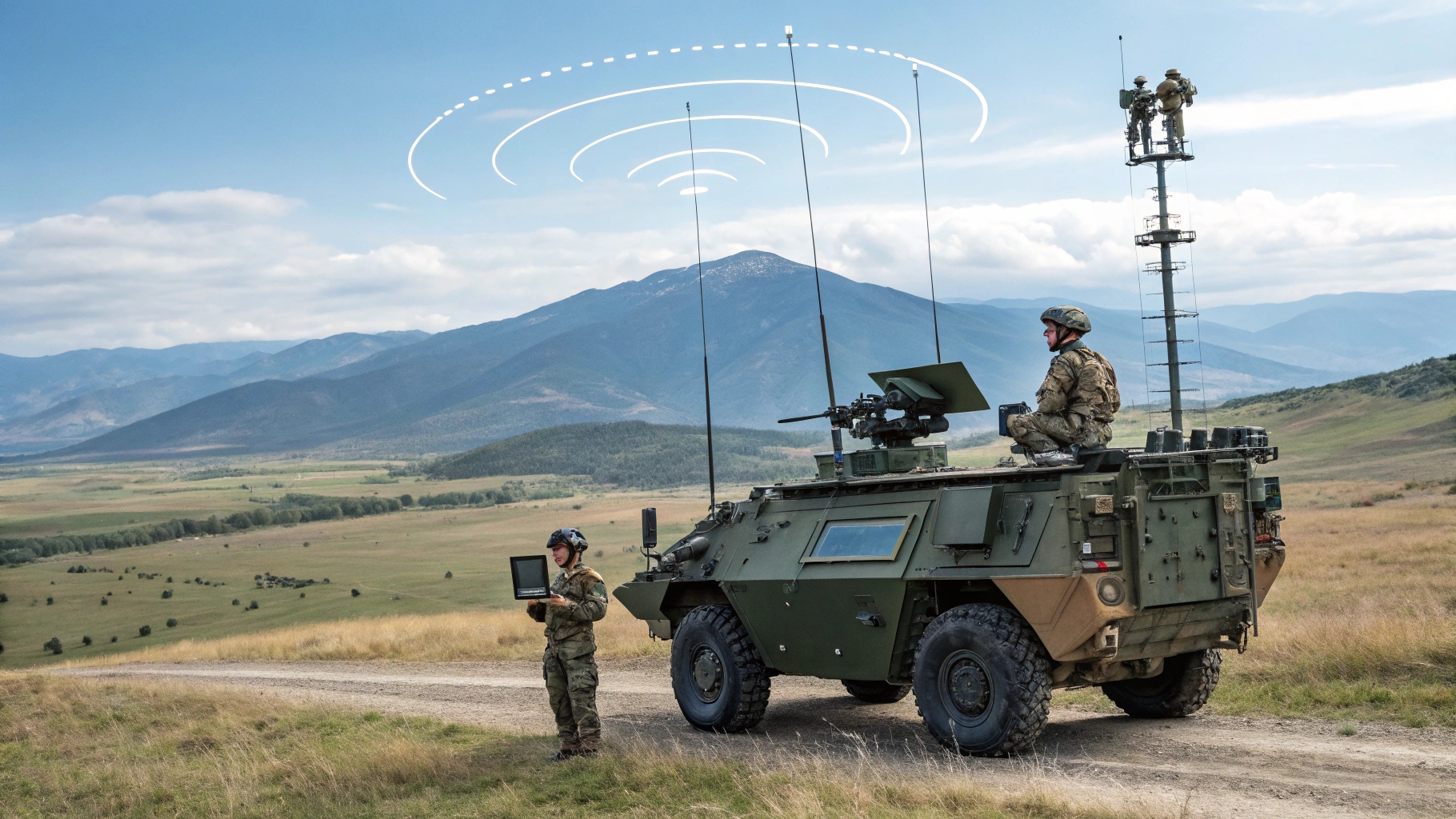
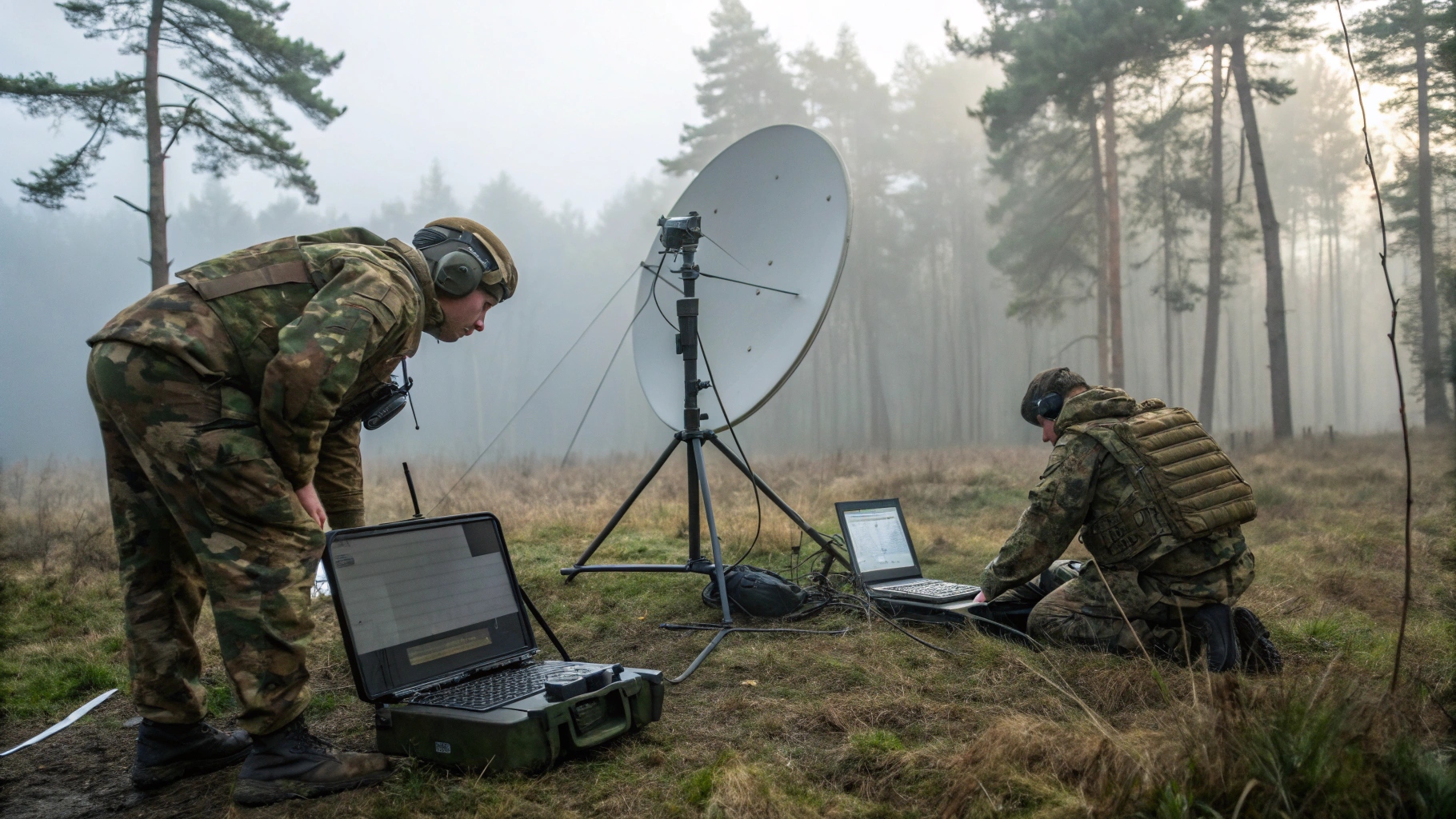
The G/ATOR system is a highly mobile AESA radar that merges multiple mission sets previously handled by separate sensors. Operating in the S-band, it provides full 360-degree, four-dimensional tracking, capable of detecting manned aircraft, cruise missiles, small drones, artillery projectiles, and mortar rounds. Public data show a detection range exceeding 160 km, enabling surveillance across significant portions of the southern Caribbean and along Venezuela’s northern approaches when positioned in Tobago.
Designed for rapid mobility, the radar’s components—its sensor, power unit, and communications group—can be transported by a C-130 or heavy-lift helicopter and set up in under an hour. This gives U.S. forces the flexibility to reposition the system quickly or withdraw it if conditions change, adding another layer of operational adaptability to America’s presence in the region.