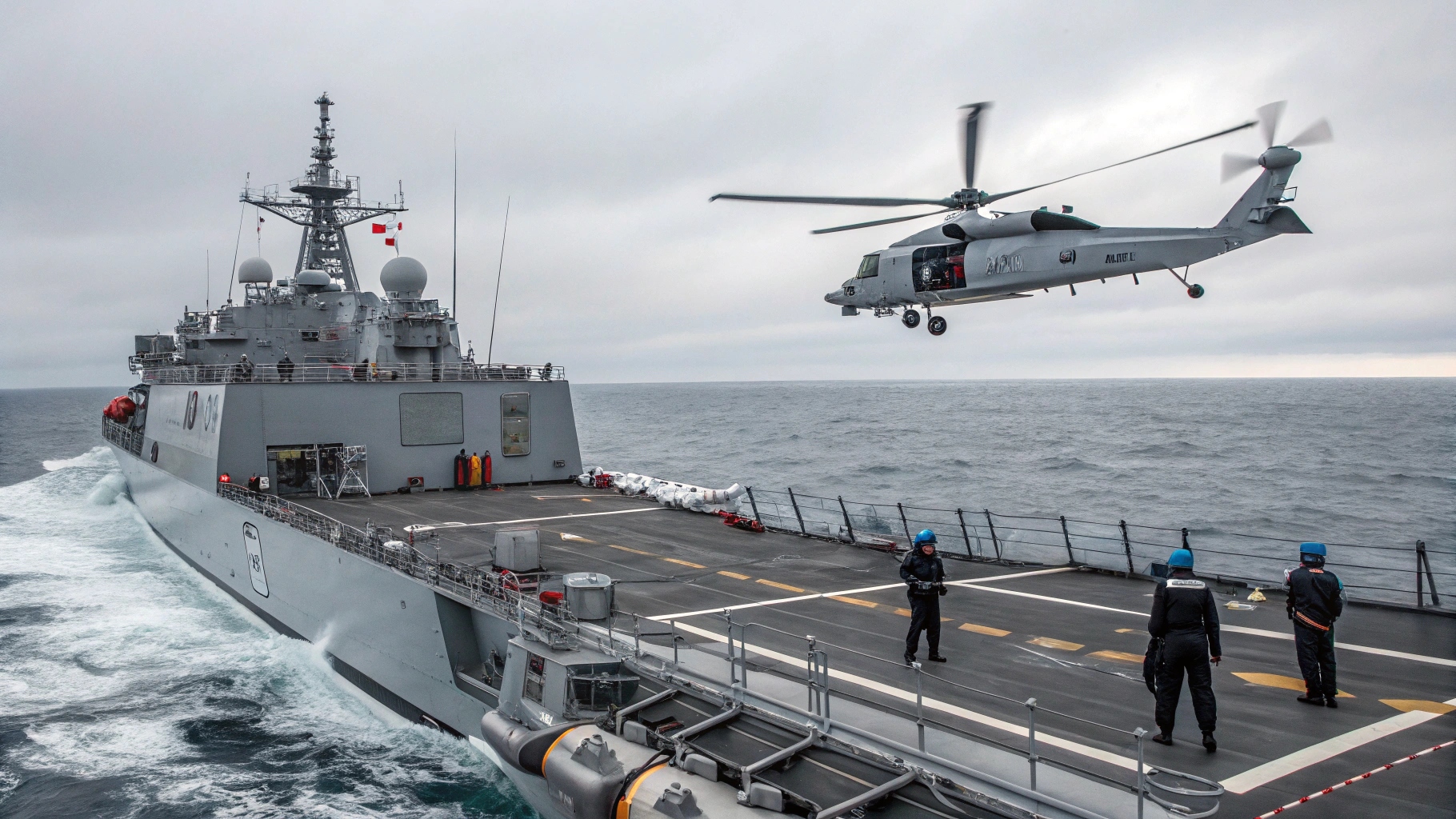
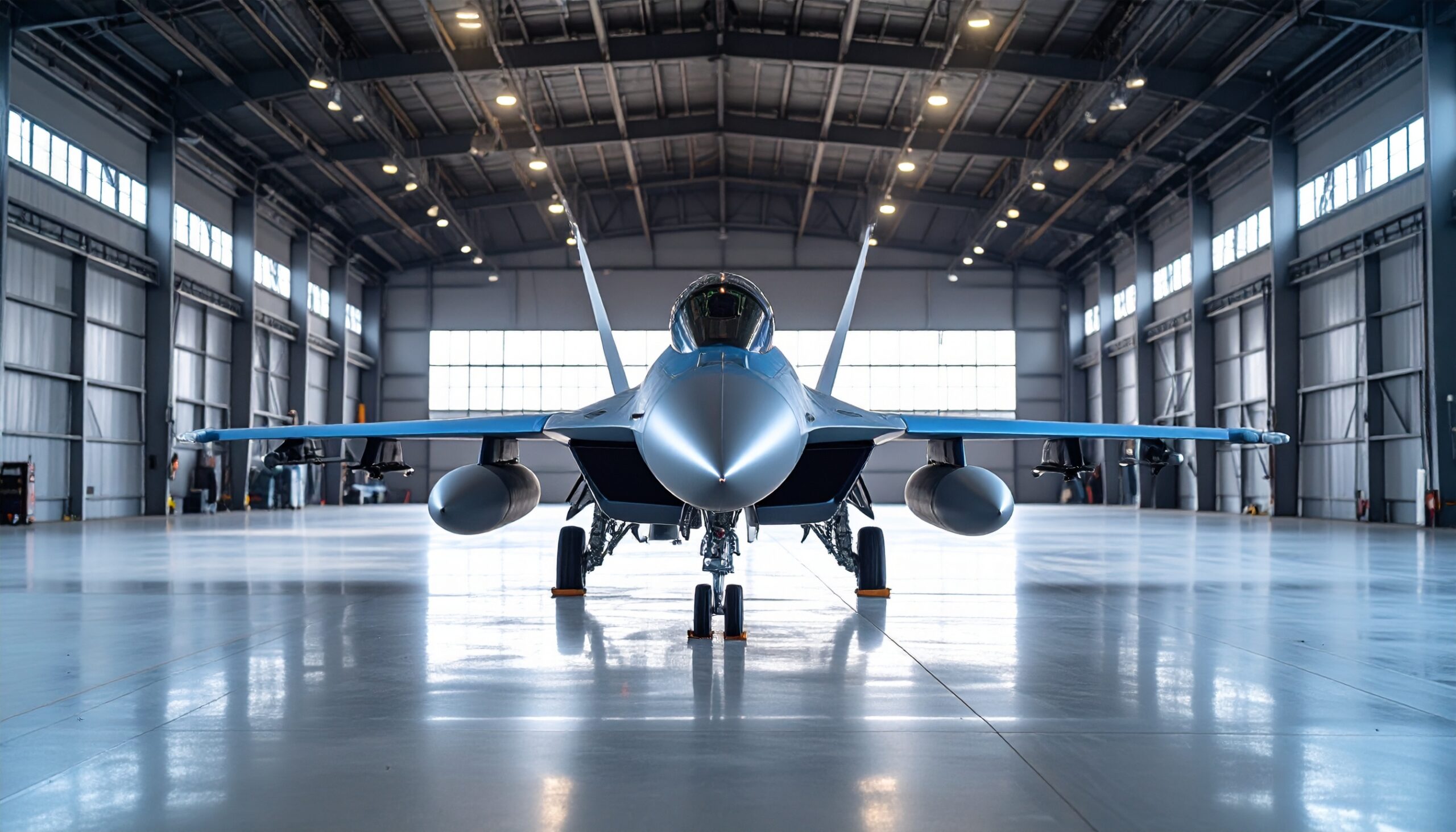
The U.S. Navy has achieved a key milestone in unmanned carrier aviation as its first operational MQ-25A Stingray successfully completed an autonomous taxi test, according to an announcement by Boeing. The test marks an important early step toward safely integrating uncrewed aircraft into routine aircraft carrier flight deck operations, one of the most complex environments in naval aviation.
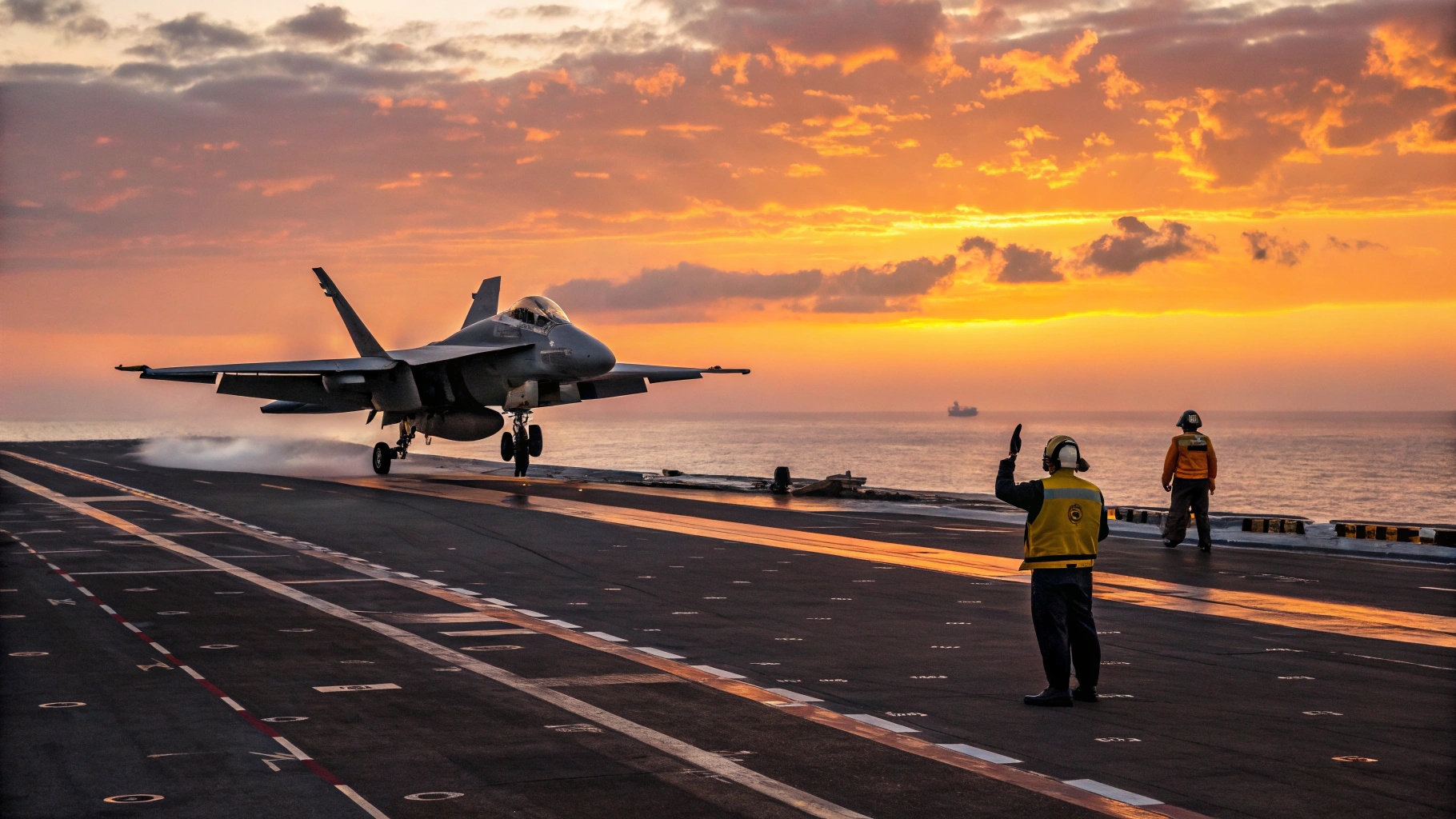
During the shore-based trial, the MQ-25A executed a series of pre-programmed ground maneuvers in response to commands from Air Vehicle Pilots. The aircraft autonomously initiated movement, followed designated taxi paths, performed controlled turns, and conducted stop-and-hold actions designed to mirror real carrier deck handling procedures. Navy officials emphasized that while the test did not take place aboard a carrier, it represents a critical precursor to future at-sea operations, where precise and predictable aircraft movement is essential for safety.
Unlike earlier unmanned demonstrators, the aircraft used in the test was built to full operational standards, underscoring the MQ-25A’s role as a fleet-ready asset rather than a technology testbed. Boeing confirmed that the aircraft’s autonomy system successfully integrated navigation sensors, flight control logic, and safety constraints to ensure stable and reliable behavior in a dynamic ground environment. This reliability is considered vital for gaining Navy confidence ahead of carrier deployment.
The MQ-25A Stingray was developed to address a long-standing operational gap in carrier aviation: organic aerial refueling. By shifting tanker duties away from F/A-18E/F Super Hornets, the Navy aims to restore valuable fighter flight hours for combat missions. Powered by a Rolls-Royce AE 3007N engine, the MQ-25A is expected to offload more than 15,000 pounds of fuel at range, significantly extending the strike reach of carrier-based F-35C and Super Hornet aircraft. Navy planners also view the platform as a foundation for future unmanned roles, including ISR, communications relay, and battlespace sensing.