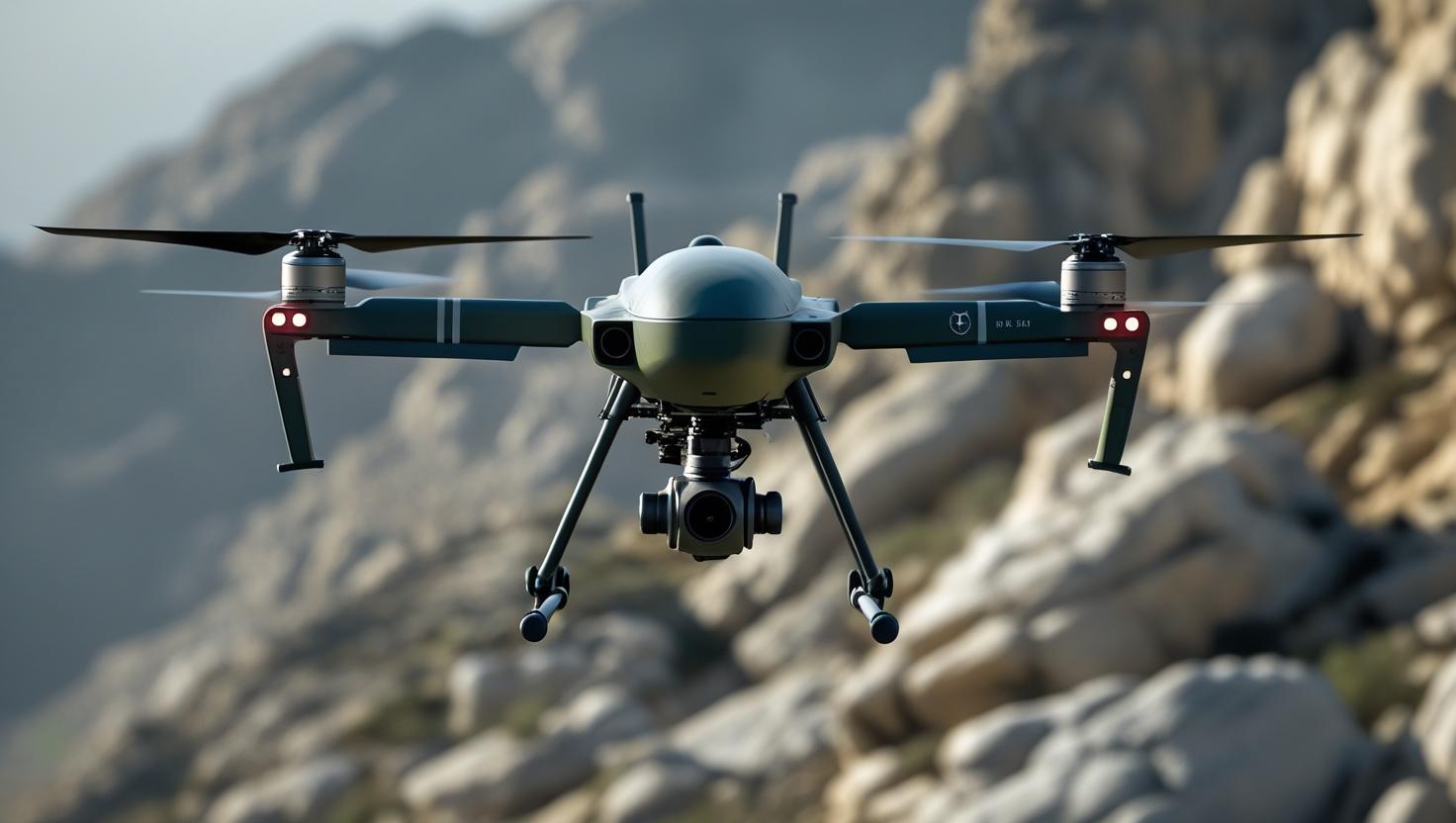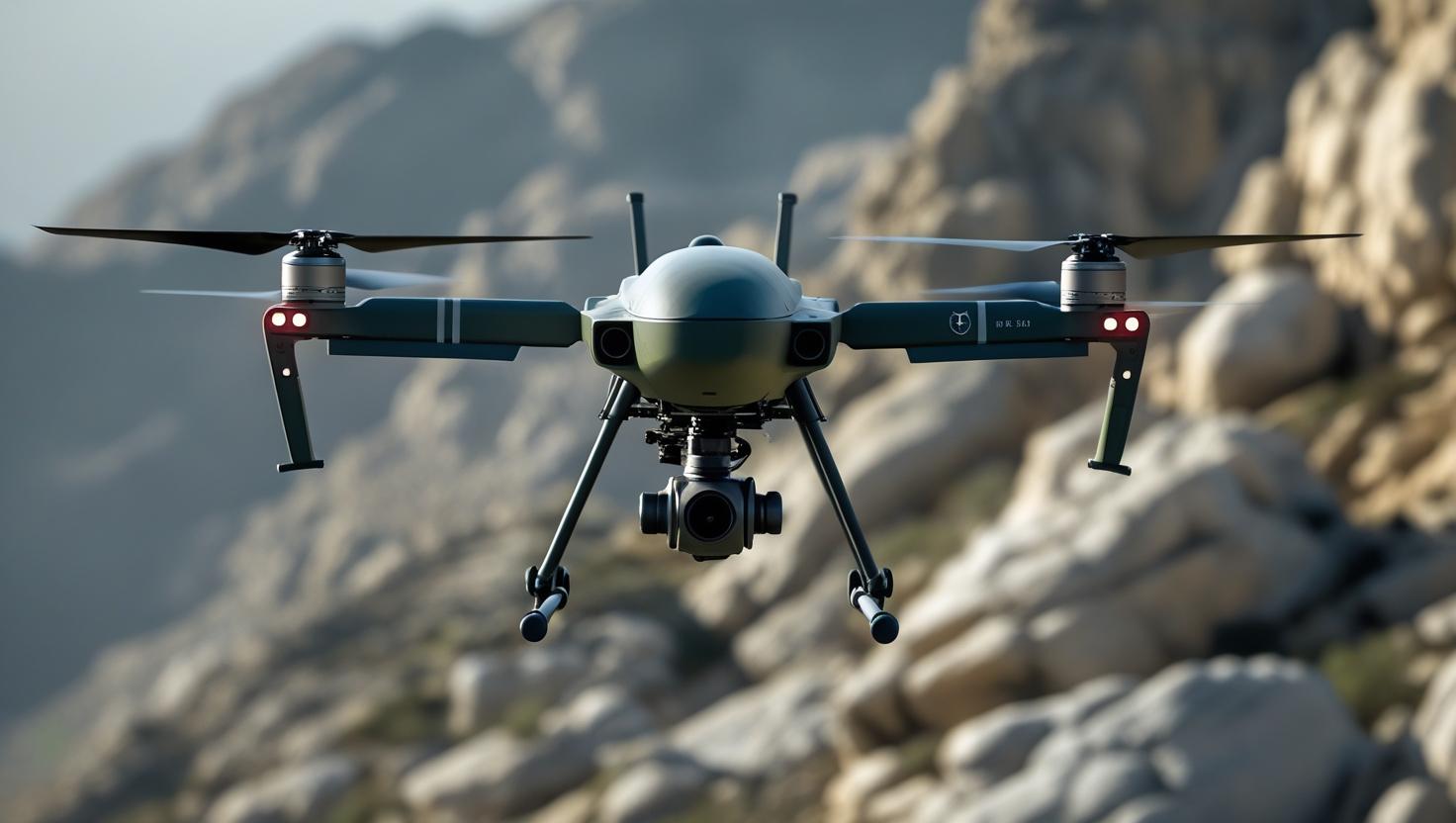

Lantronix has unveiled a new Drone Reference Platform, aiming to simplify and accelerate the development of both defense and commercial unmanned aerial systems (UAS). The company says the AI-enabled solution allows developers to move from concept to working prototype in a matter of weeks rather than months, significantly shortening traditional drone development timelines.
Designed to meet US security and compliance standards, the platform integrates onboard computing, sensor interfaces, and flight control systems into a single, developer-friendly package. By eliminating the need to connect and configure multiple standalone components, the system reduces engineering complexity and enables faster deployment across a wide range of drone applications.
The platform supports UAS missions ranging from surveillance, security, and reconnaissance to industrial inspection and monitoring. With onboard artificial intelligence, the system enables real-time, autonomous decision-making, allowing drones to process data and respond dynamically while in flight without reliance on continuous ground control.
At the core of the platform is Lantronix’s Open-Q 8550 Micro System-on-Module (µSOM), powered by Qualcomm’s Dragonwing QCS8550 processor. The chipset delivers up to 50 trillion operations per second (TOPS), providing the compute power needed for advanced AI workloads across drones, robotics, smart imaging systems, and edge computing applications.
The Drone Reference Platform runs on Linux and is delivered with comprehensive software tools and documentation to accelerate prototyping. It also includes native support for the FLIR Hadron 640 payload, with optional integration for similar thermal and optical sensors, while Pixhawk PX4 handles flight control to ensure flexible and reliable operations.
Lantronix’s entry into the UAS market marks a strategic expansion beyond its traditional Internet of Things (IoT) hardware portfolio. The California-based company is positioning itself to capitalize on a drone market projected to reach $57.8 billion by 2030, with the platform currently being showcased at the CES trade show in Las Vegas.