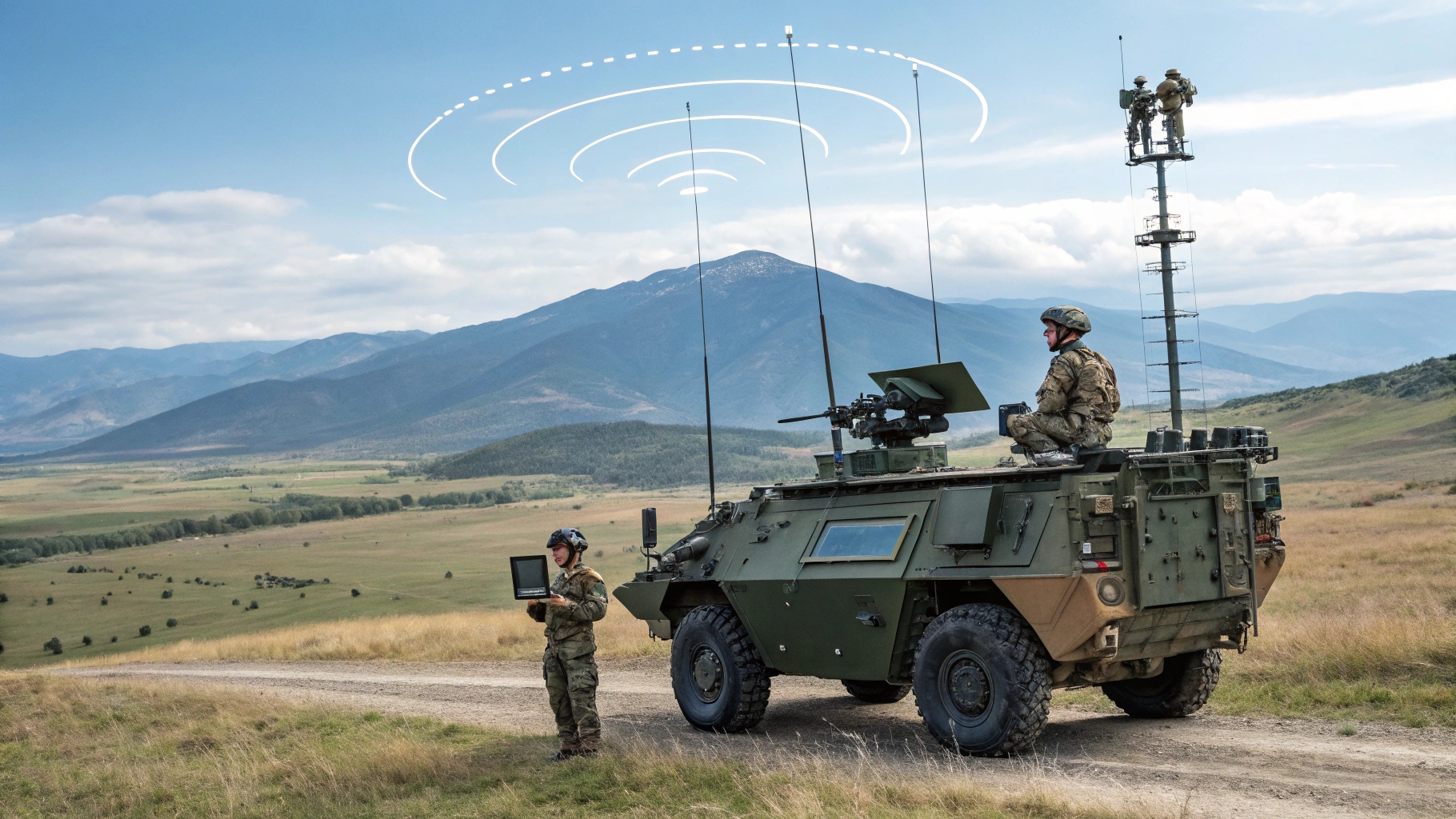
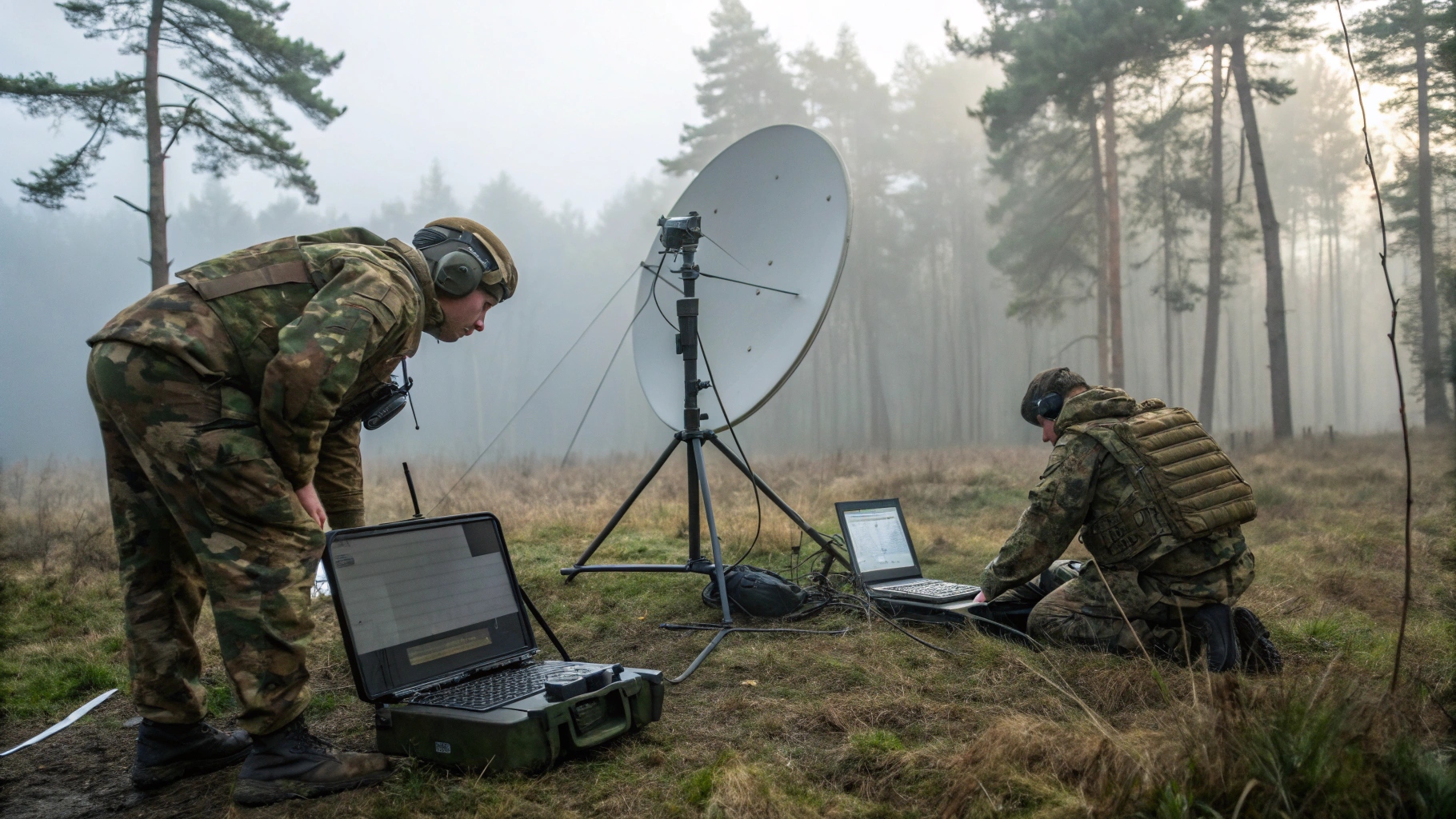
The Indian Air Force has enhanced its long-range air surveillance capability with the induction of the Russian-origin 55Zh6ME Nebo-UM Very High Frequency (VHF) radar into its integrated air defence network. The advanced mobile 3D radar is designed to detect a wide range of aerial threats, including stealth aircraft, cruise missiles, ballistic missiles, and conventional aircraft, providing India with improved early-warning capability against emerging security challenges. Operating in the VHF frequency spectrum, the Nebo-UM uses longer wavelengths that offer advantages in detecting low-observable aircraft. Unlike higher-frequency fire-control radars, VHF systems interact differently with stealth aircraft structures, making complete radar avoidance more difficult. The radar can provide critical detection data at long ranges, allowing other air defence systems to engage threats effectively. The system features advanced digital signal processing, electronic counter-countermeasure technology, and three-dimensional tracking capability, allowing it to determine target range, altitude, and direction simultaneously. Mounted on highly mobile platforms, the Nebo-UM can be rapidly deployed and repositioned, improving survivability during high-threat situations. The radar can operate independently or as part of a wider network-centric defence architecture, sharing information with surface-to-air missile systems and command networks. Its induction strengthens India’s layered air defence structure, particularly as advanced stealth fighters and sophisticated missile technologies continue to evolve in the Indo-Pacific region.