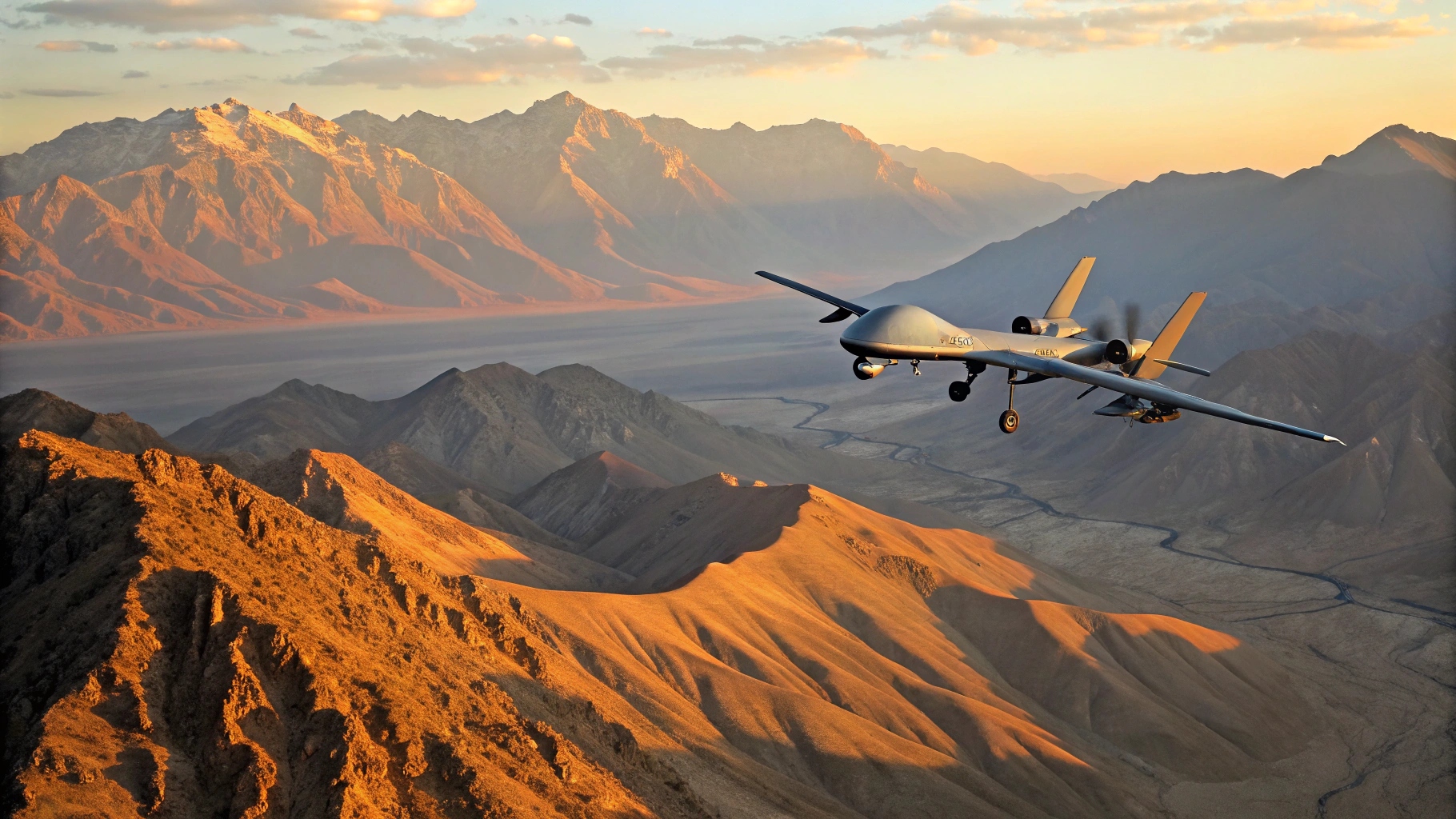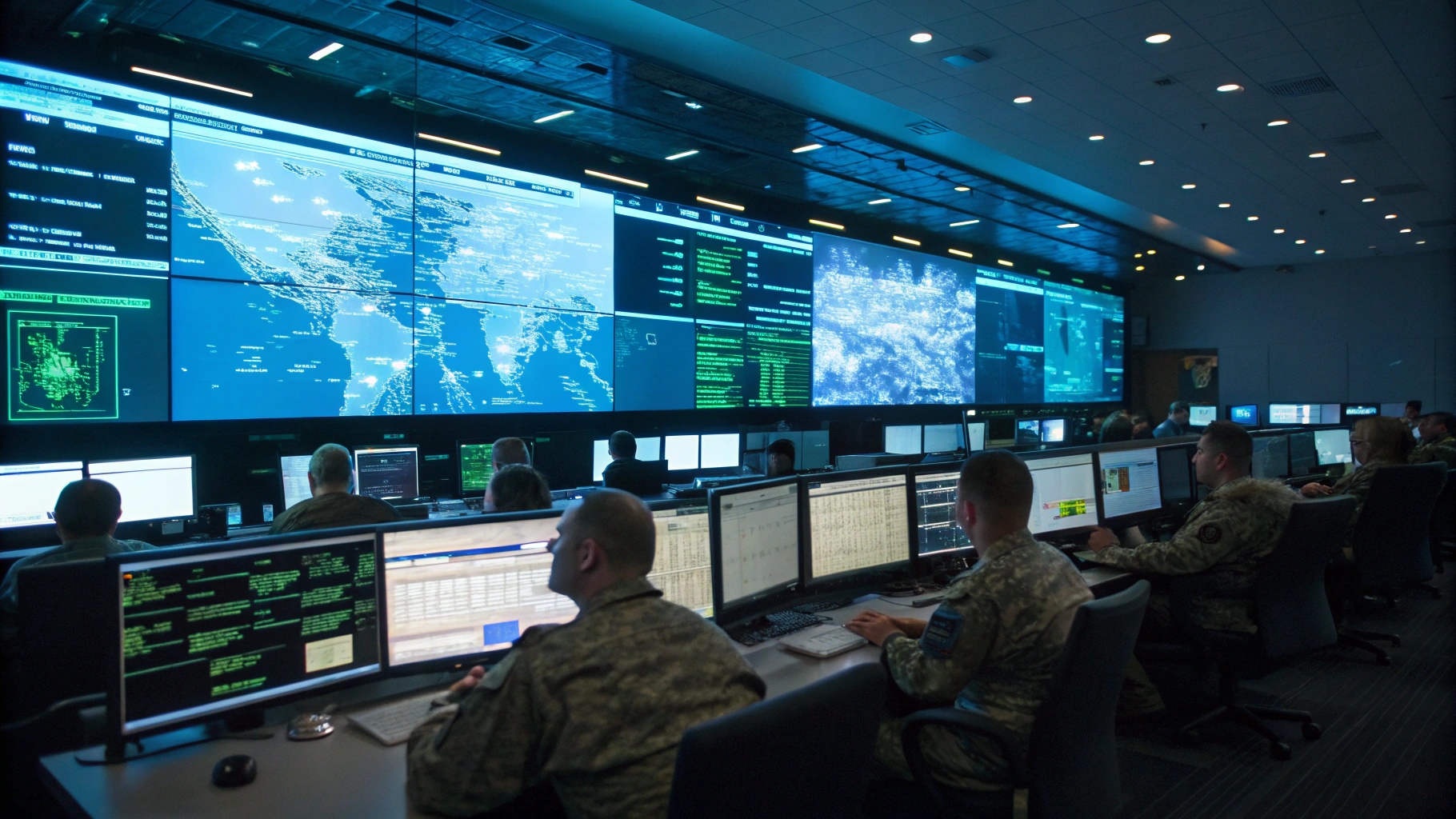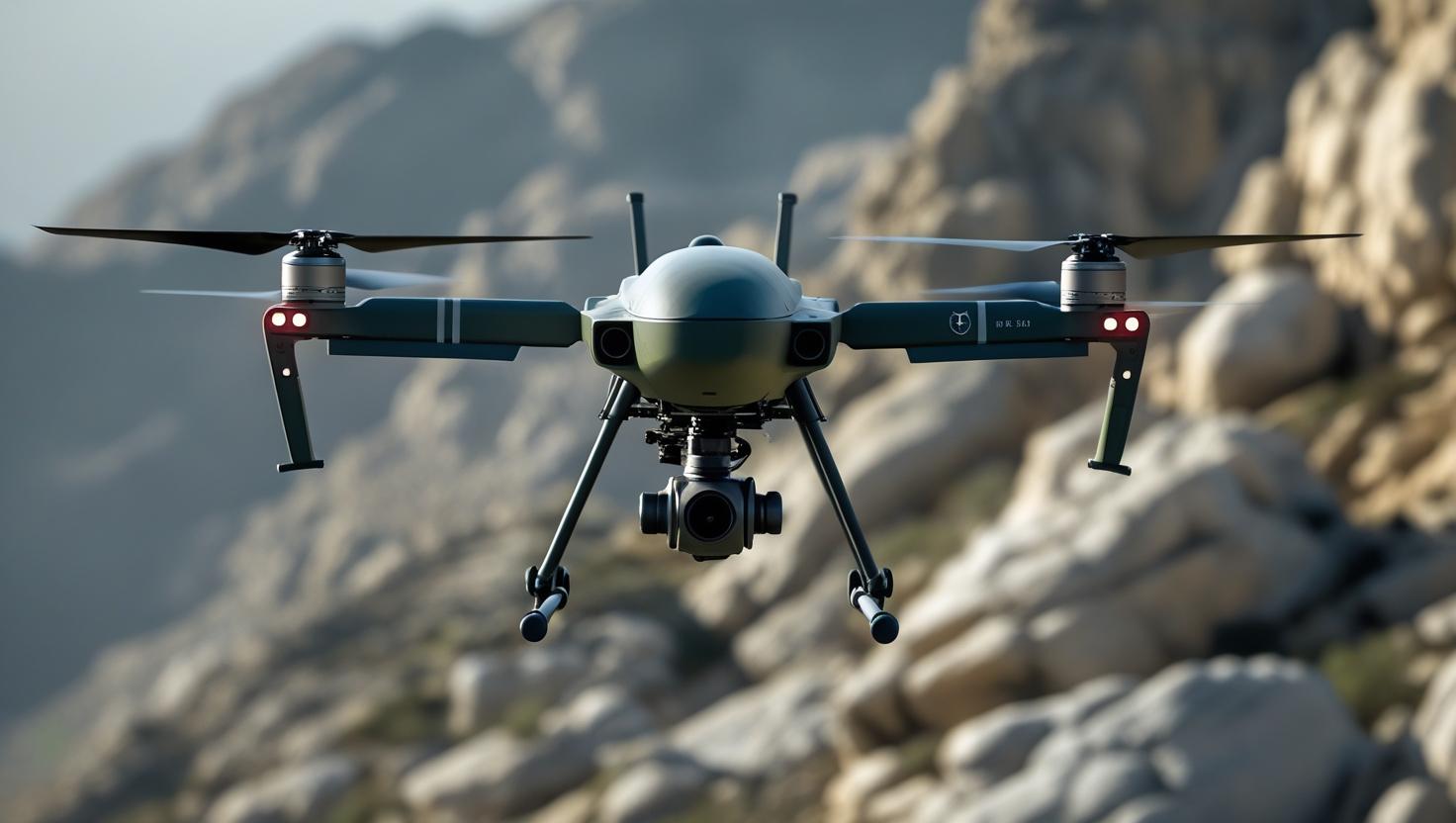
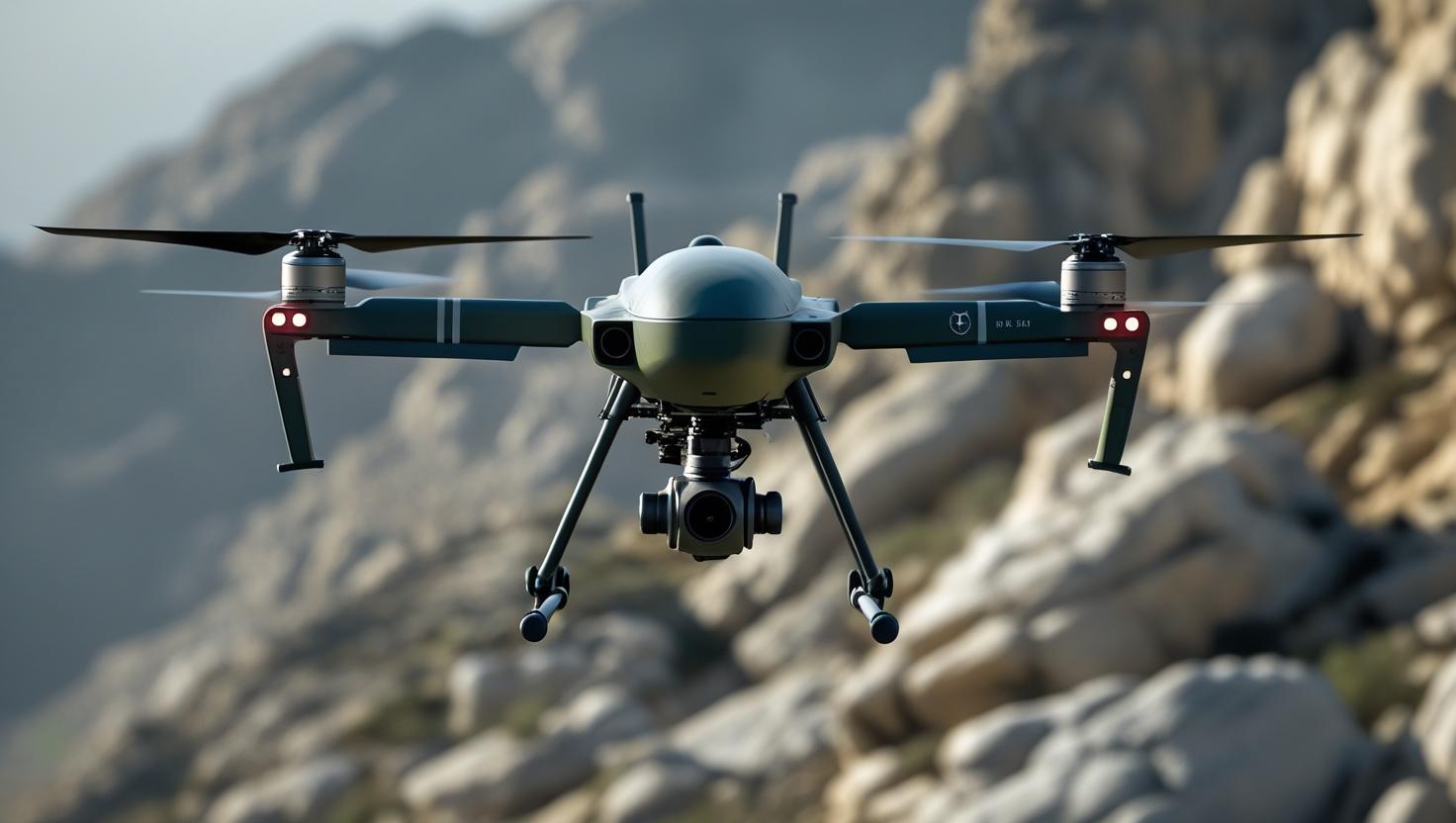
The Hermes drone family, developed by Israel’s Elbit Systems, has emerged as one of the most influential unmanned aerial vehicle platforms in modern warfare. Long before drones became a central feature of military operations, the Hermes series was already supporting intelligence, surveillance, reconnaissance, and target acquisition missions worldwide. The program began in the 1990s with the Hermes 450, a tactical UAV introduced in 1998 that became known for its endurance, modular payload capability, and relatively low operational cost. Building on this success, Elbit later introduced the Hermes 900 in 2009, offering higher altitude performance, greater payload capacity, and endurance exceeding 30 hours. In 2024, the company launched the Hermes 650, positioned between the two earlier models with improved survivability and advanced multi-mission capability. The Hermes family includes multiple variants designed for different mission profiles. The Hermes 450 supports tactical reconnaissance operations, while the Hermes 900 is intended for long-range strategic surveillance. The Watchkeeper WK450, developed with the United Kingdom, is another notable derivative. These UAVs operate through ground control stations and feature autonomous takeoff, navigation, and landing systems. They can carry electro-optical cameras, infrared sensors, radar systems, and electronic intelligence payloads for multi-domain data collection. One of the biggest strengths of the Hermes family is its long endurance, allowing continuous monitoring for more than 20 to 30 hours without risking pilots. The drones are also flexible and cost-effective compared to manned aircraft. However, they are not stealth platforms and can be vulnerable in heavily contested airspace or under electronic warfare conditions. Hermes drones are currently operated by several countries including Israel, Brazil, Thailand, Switzerland, Serbia, Singapore, and the Philippines for missions ranging from border security to maritime patrol and disaster response. Despite facing political and technical controversies in some regions, the Hermes family continues to evolve with AI integration, advanced sensors, and improved autonomous systems, ensuring its continued importance in modern military aviation.