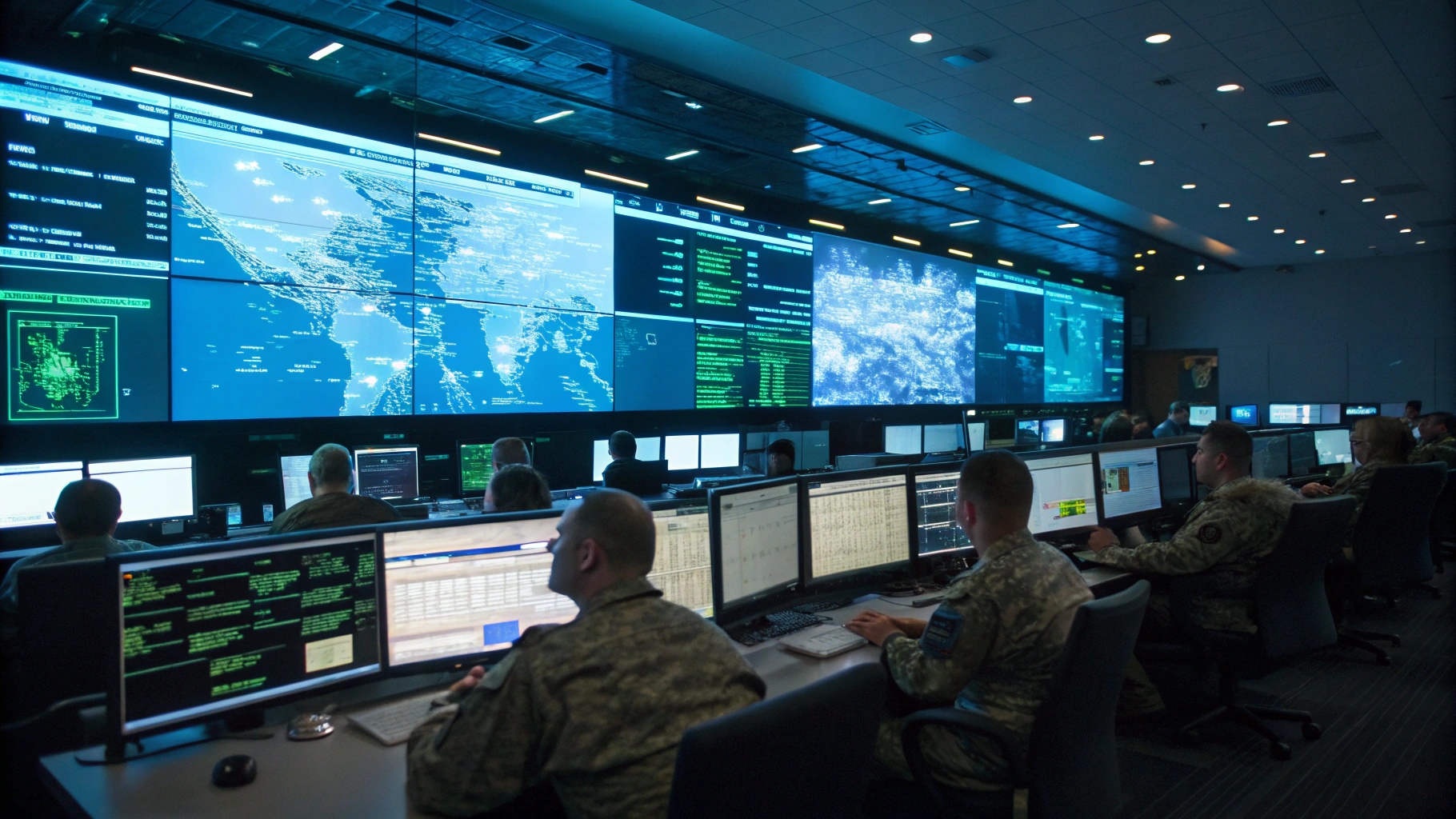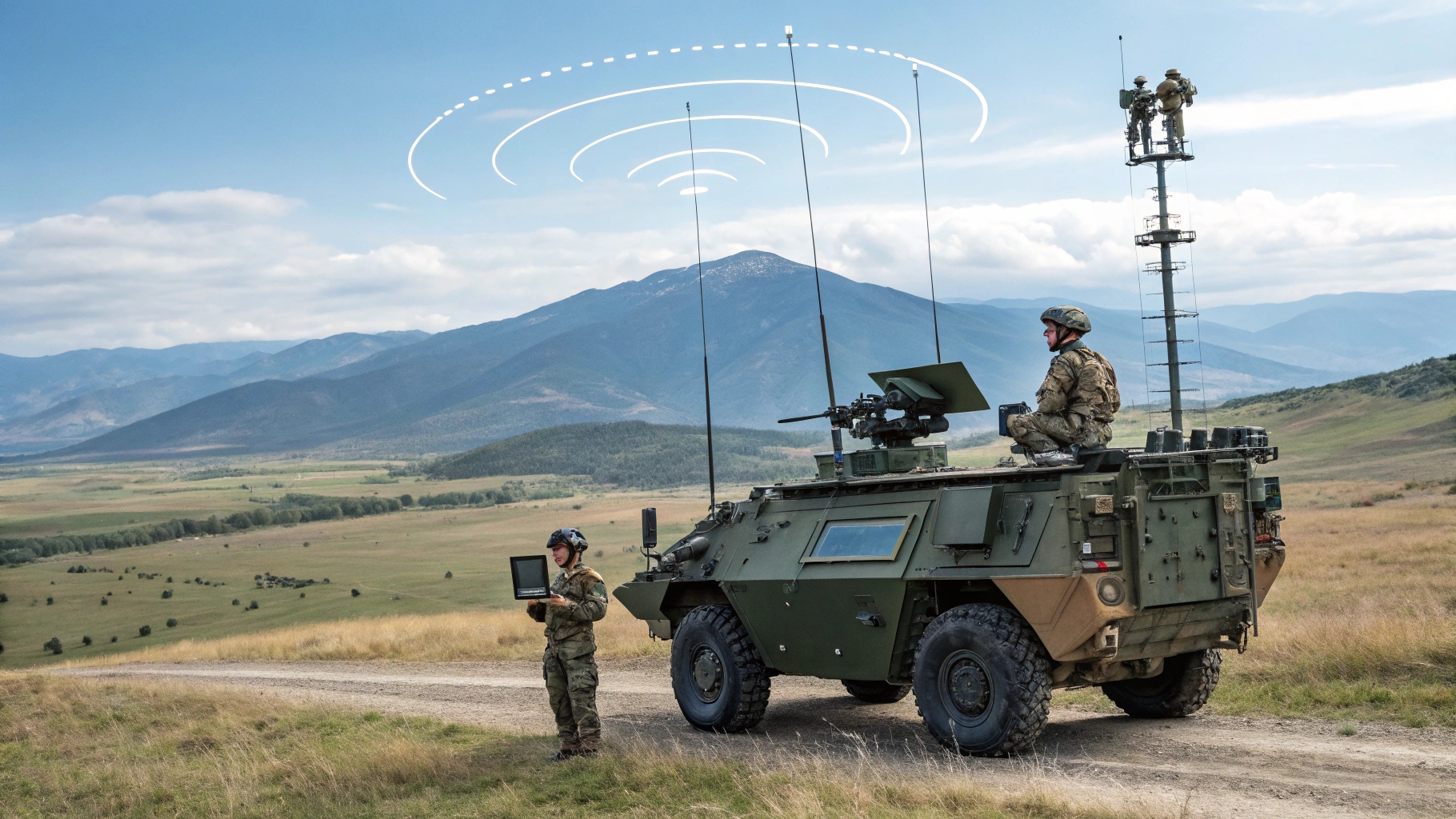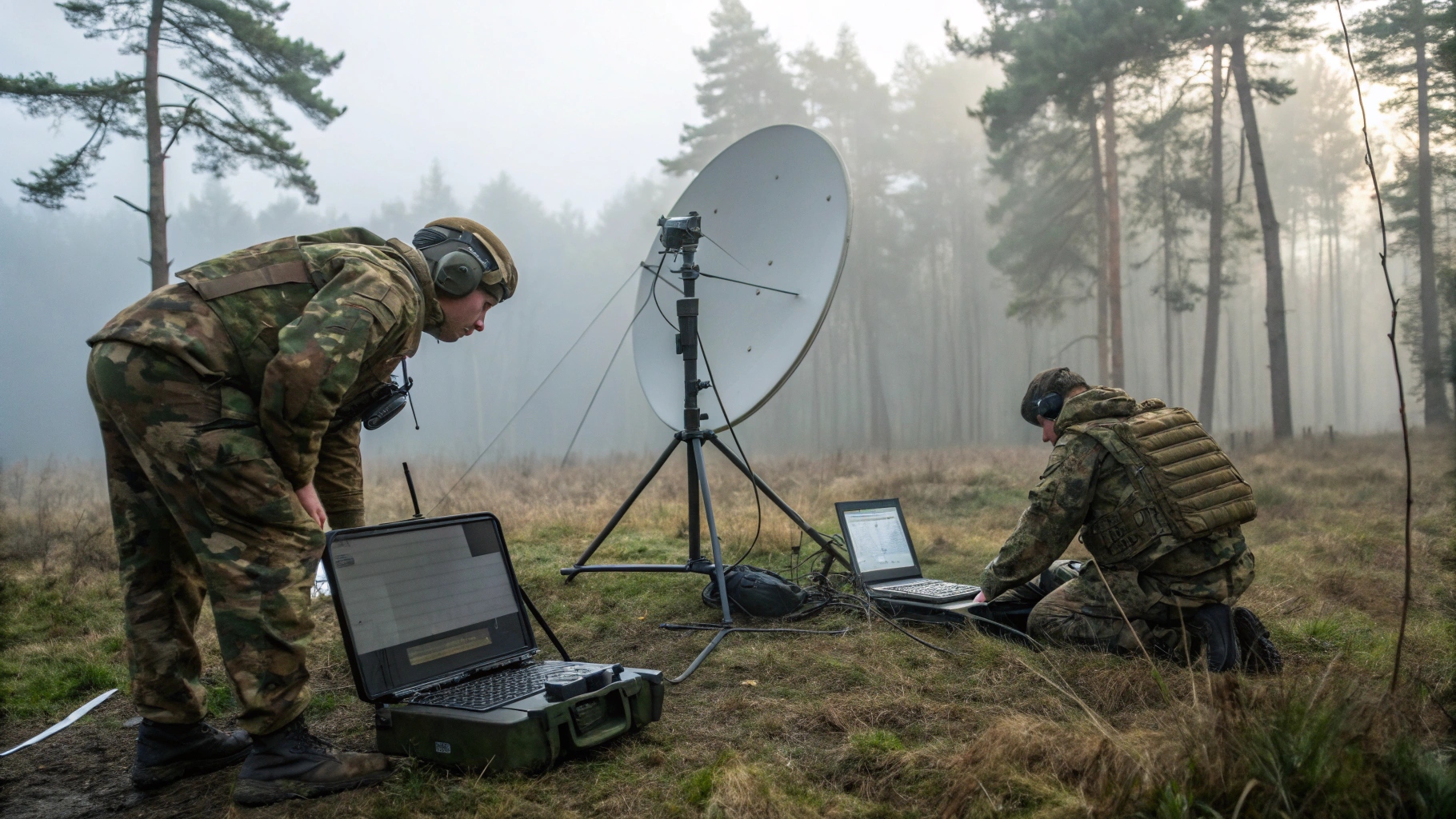

The US Army has awarded Palantir USG a contract to manufacture and deliver eight Tactical Intelligence Targeting Access Node (TITAN) ground stations, taking the program from its prototype stage toward operational fielding. TITAN is a crewed ground-based system designed to combine information gathered from space-based, high-altitude, airborne, and terrestrial sensors. The latest order consists of four Basic systems and four Advanced variants. The Advanced configuration is intended to provide greater data-processing and integration capacity, while the lighter Basic version emphasizes rapid deployment and improved mobility. Artificial intelligence and machine-learning technologies are used to process incoming sensor information and generate targeting data for commanders and long-range precision-strike systems. The objective is to reduce the time required to move from initial target detection through intelligence analysis and ultimately deliver usable information to Army command-and-control networks and weapon systems. Palantir will act as the prime contractor, managing production and supplying the software used by the stations. The TITAN systems will also incorporate hardware and technologies from Anduril Industries, L3Harris Technologies, Sierra Nevada Corporation, Strategic Technology Consulting, and World Wide Technology. Production development will incorporate feedback obtained from soldiers who operated earlier TITAN prototypes. The contract adds to Palantir’s expanding role in US defense programs. Last month, Mercury Systems selected Palantir software to digitize elements of its factory operations, including automated production planning and a virtual model of its manufacturing network. The effort is intended to identify bottlenecks and increase the production of processing systems used throughout US defense programs. Earlier this year, the US Army selected Palantir’s Foundry platform as the baseline architecture for its Next Generation Command and Control (NGC2) program. Foundry will provide the cloud environment, while Anduril’s Lattice will manage the tactical data layer. NGC2 is intended to replace fragmented command networks with a shared digital environment connecting sensors, headquarters, weapons, and personnel.