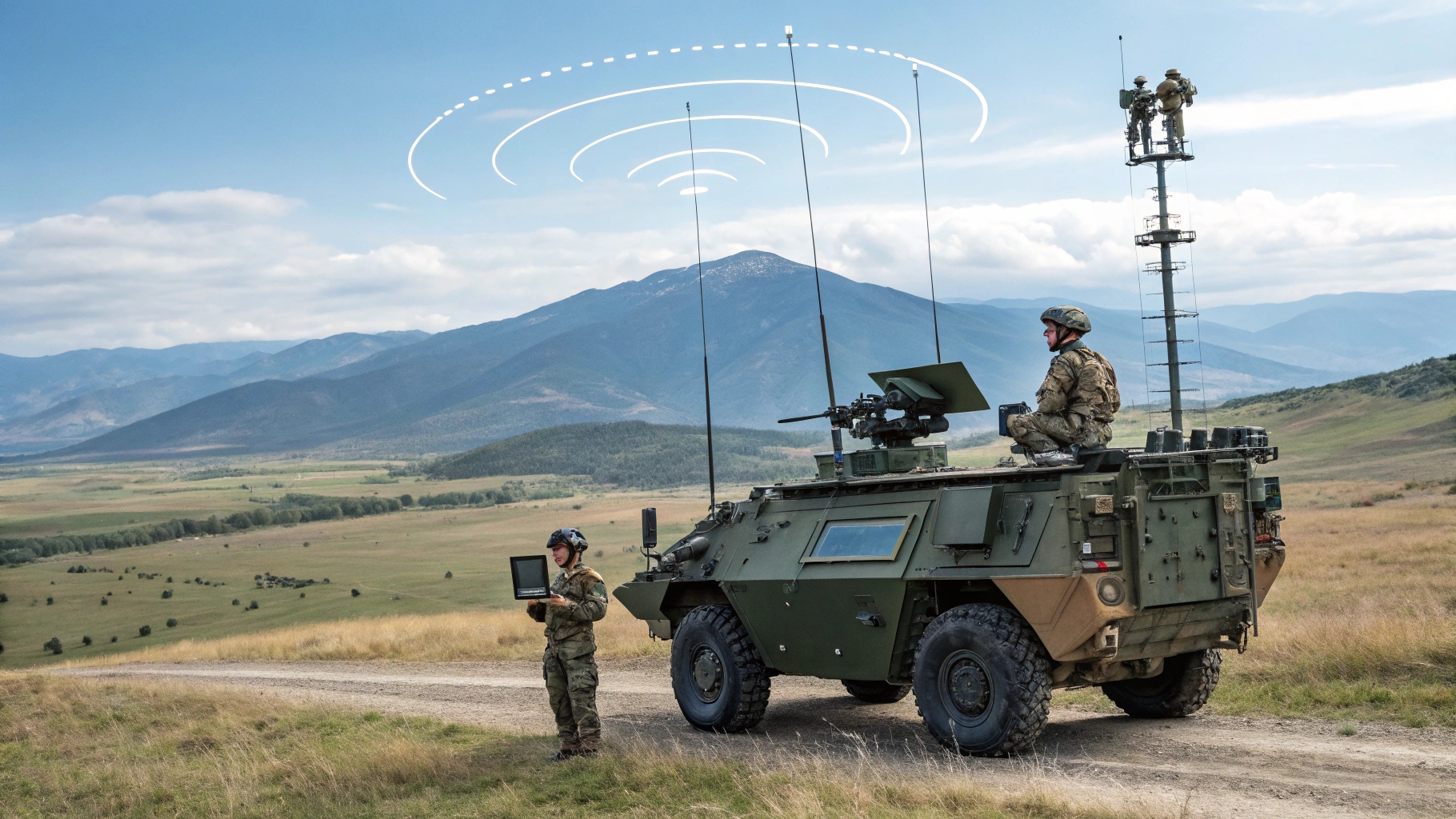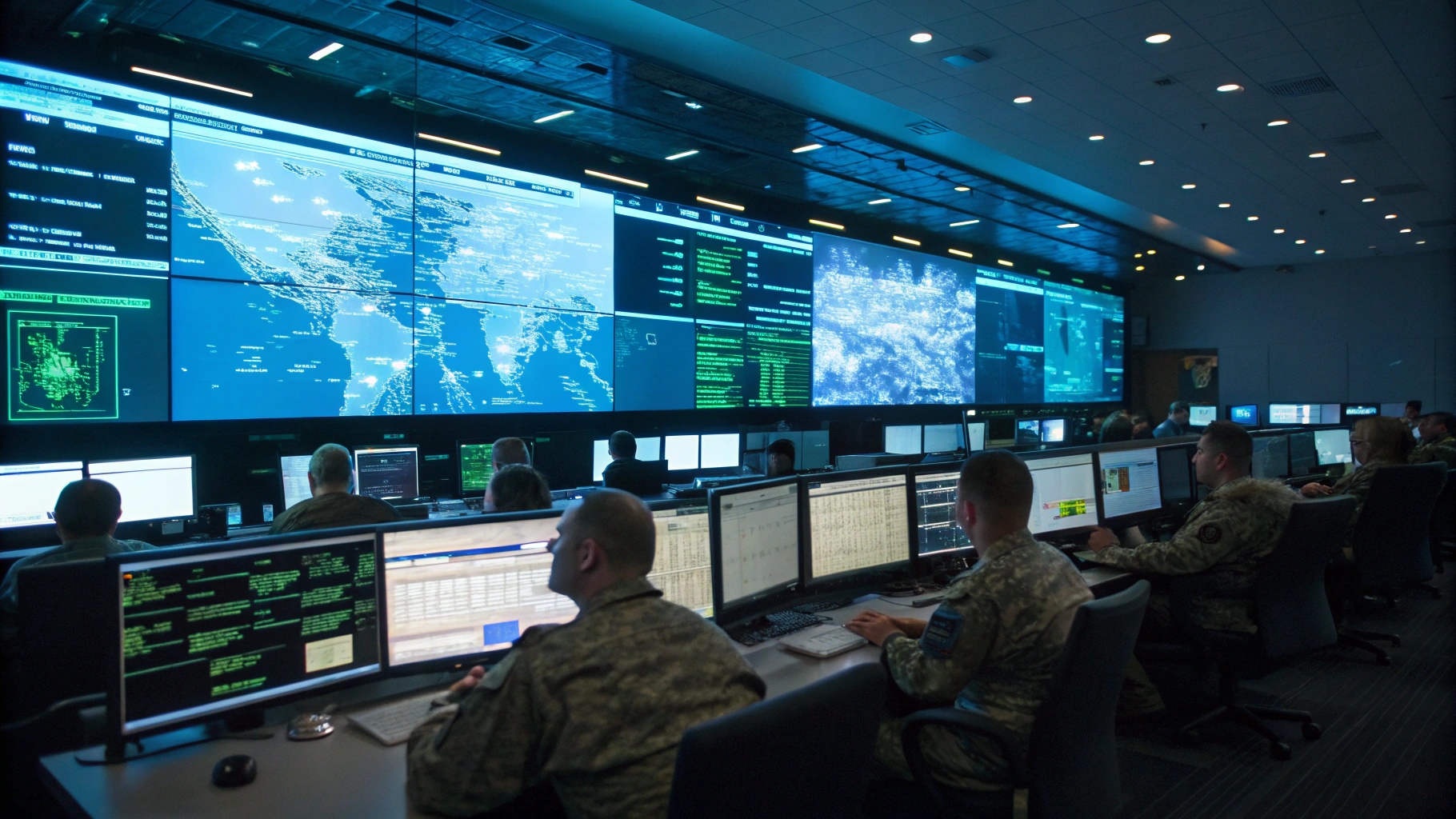
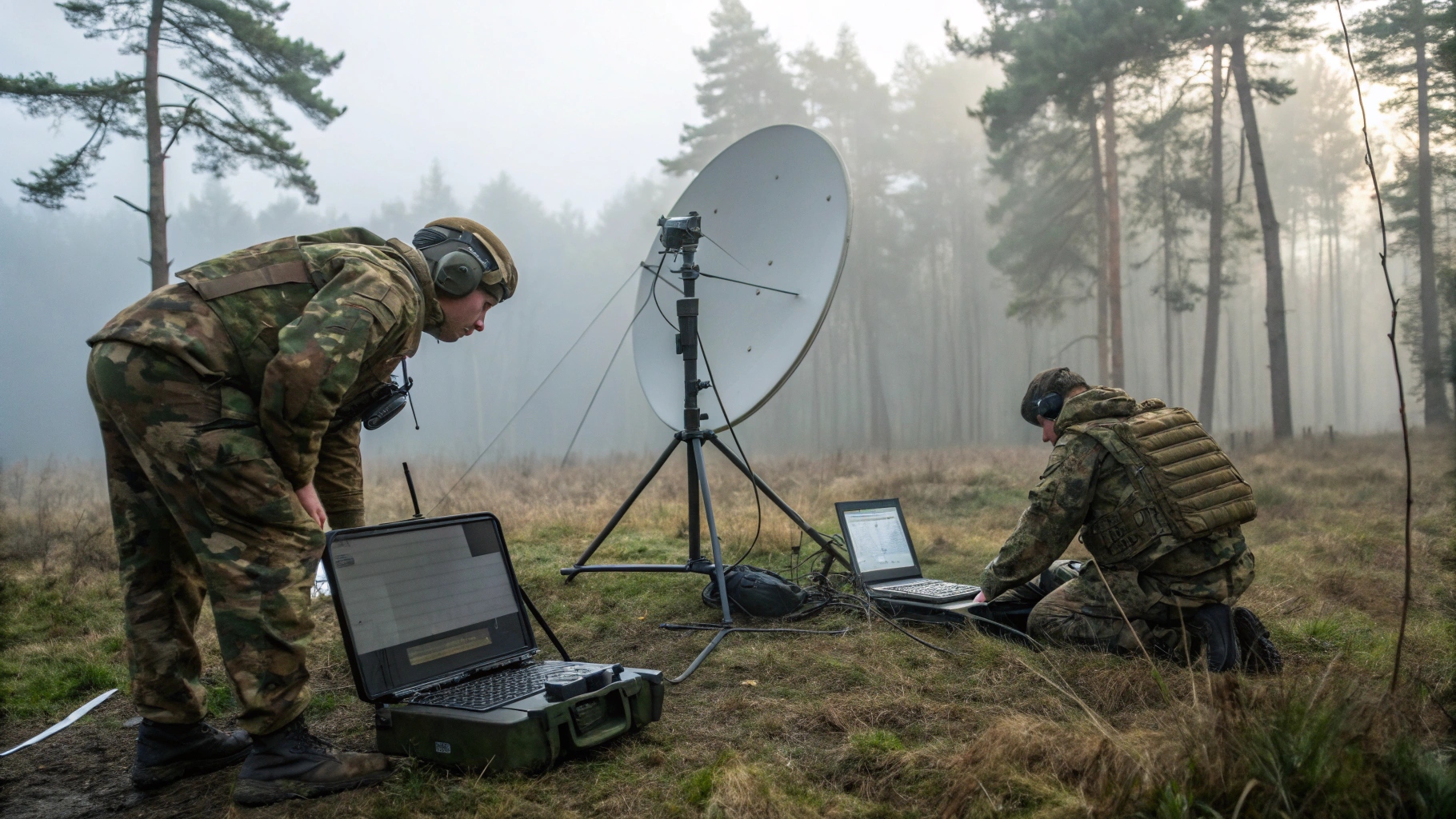
India’s Akashteer system serves as an automated command-and-control framework for coordinating elements of the Indian Army’s air-defense network. Developed by Bharat Electronics in cooperation with DRDO and ISRO, the system is intended to create a common operational picture by combining information from different radars, sensors, command centers, and weapon systems.One of Akashteer’s major advantages is its ability to connect air-defense assets from different technological backgrounds. Data from multiple sensors can be brought together to provide operators with a more comprehensive view of activity within the protected airspace.The system is designed to reduce delays between detecting an aerial threat and assigning an appropriate defensive response. Automated data processing and command functions can help reduce the workload on operators while allowing air-defense units to respond more quickly to changing situations.Another important function is the creation of a shared air picture. When information is distributed among connected command centers and weapon units, operators can better distinguish friendly aircraft from potential threats. This can reduce the risk of accidental engagements while improving coordination among defensive units.Akashteer forms part of India’s broader move toward digitally connected and sensor-fused warfare. Instead of operating individual radar and weapon systems in isolation, the architecture allows different components to function as part of a coordinated network.Such integration is increasingly important as modern air threats become faster, smaller, and more diverse. Combining automated data processing with multiple sensors can help air-defense forces respond more efficiently to aircraft, drones, missiles, and other aerial targets.