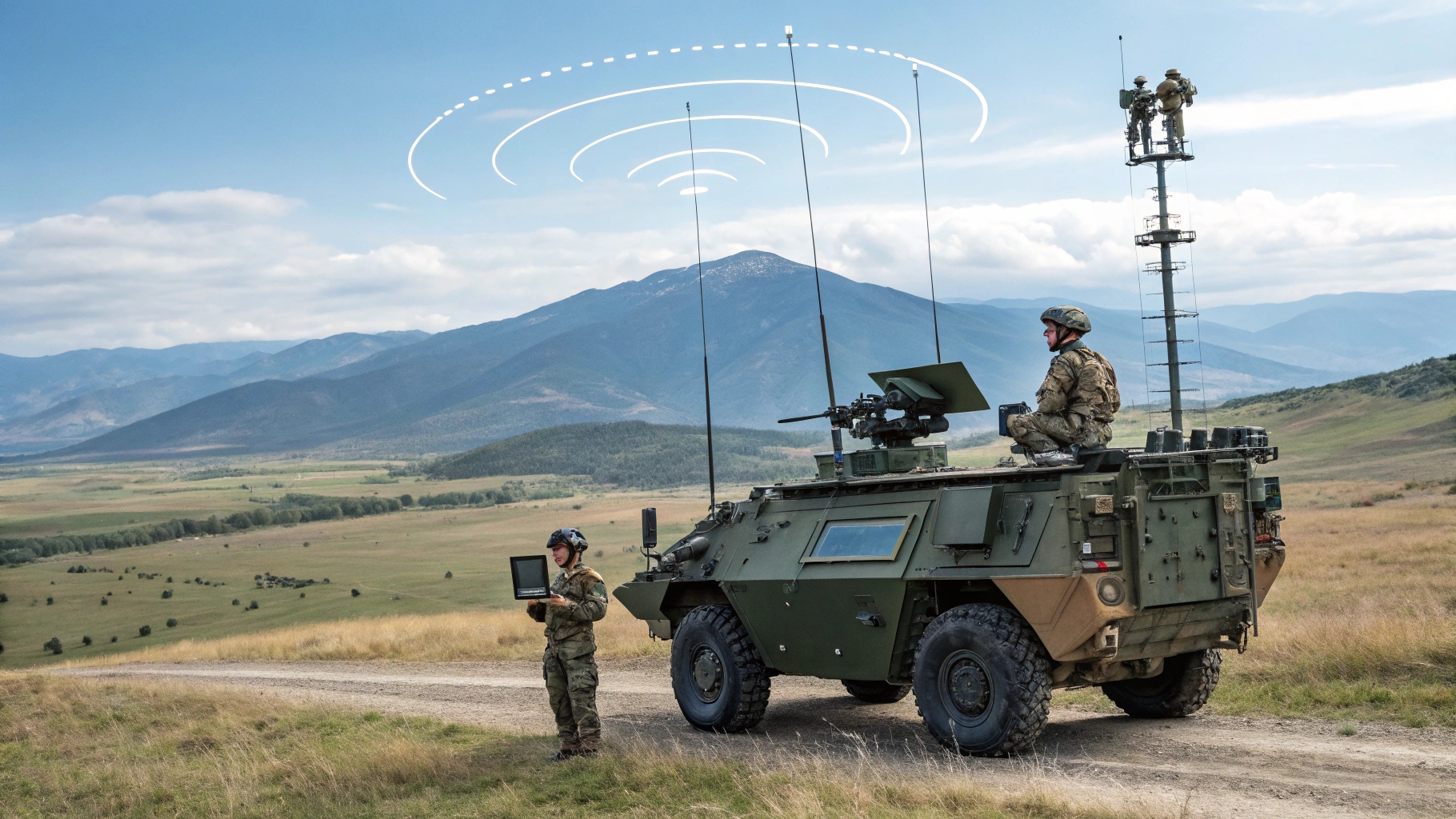
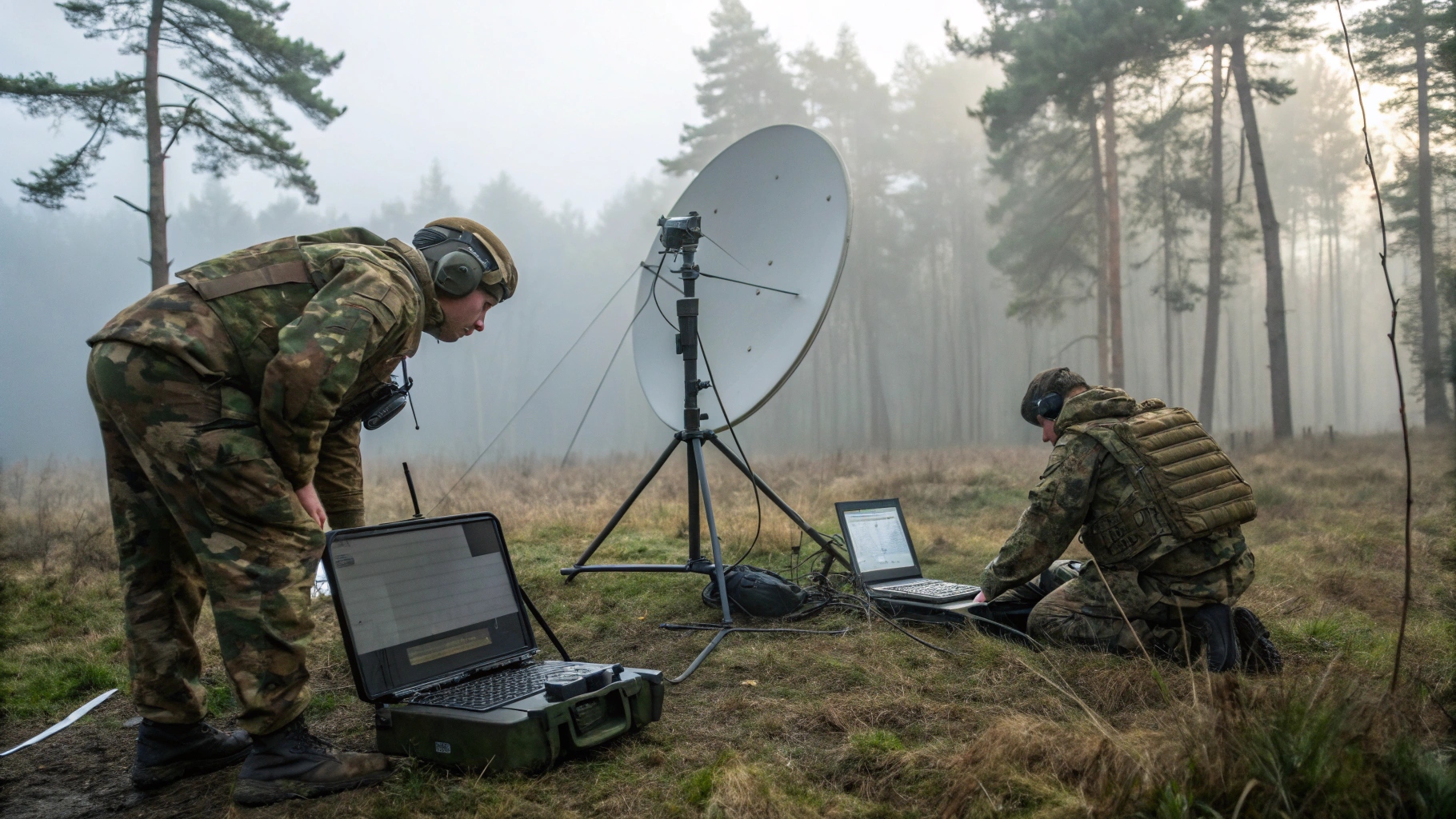
India is developing a layered border surveillance and protection architecture that brings together artificial intelligence, advanced sensors, radar, electronic warfare and directed-energy technologies. The objective is to detect, identify, track and neutralize intruders as well as hostile unmanned aerial vehicles more rapidly and reliably. Rather than depending on a single surveillance technology, the architecture is designed around multiple sensors feeding information into a common network. This approach can improve detection speed, maintain continuous tracking and support faster engagement decisions.The planned network can combine fibre-optic intrusion detection systems with high-resolution optical cameras, infrared imaging systems, hyperspectral and multispectral sensors, radar-based surveillance equipment and secure communications links. Such sensor diversity is particularly important in difficult terrain, where small drones or other threats may be difficult for one sensor type to identify consistently.DRDO’s development roadmap includes AI and machine-learning technologies for detecting and classifying airborne targets, along with fibre-optic sensing, radar tracking and multispectral electro-optical/infrared systems. The agency’s approach recognizes that small UAVs can present a difficult detection problem when only one sensor is used. Consequently, radar, radio-frequency detection, electro-optical systems and other surveillance technologies can operate together, with their information transferred to command-and-control centres for analysis and response.DRDO has also demonstrated an indigenous counter-drone system combining detection, RF jamming and laser-based hard-kill capabilities. Technology transfer for the system has been provided to Bharat Electronics Limited, while other Indian companies have also been offered opportunities to participate. A Naval Anti-Drone System subsequently emerged from DRDO-BEL cooperation, combining radar, EO/IR sensors and RF detection with electronic jamming and a laser-based destruction mechanism.Sensor fusion and networked response therefore form the core of the emerging architecture. Border protection across remote and challenging areas cannot depend solely on physical patrols, isolated cameras or individual radars. DRDO has also developed a continuously operating laser-fence concept for vulnerable locations. The system can connect with multiple sensors and is intended for applications involving military installations, border regions and sensitive areas along the Line of Control.